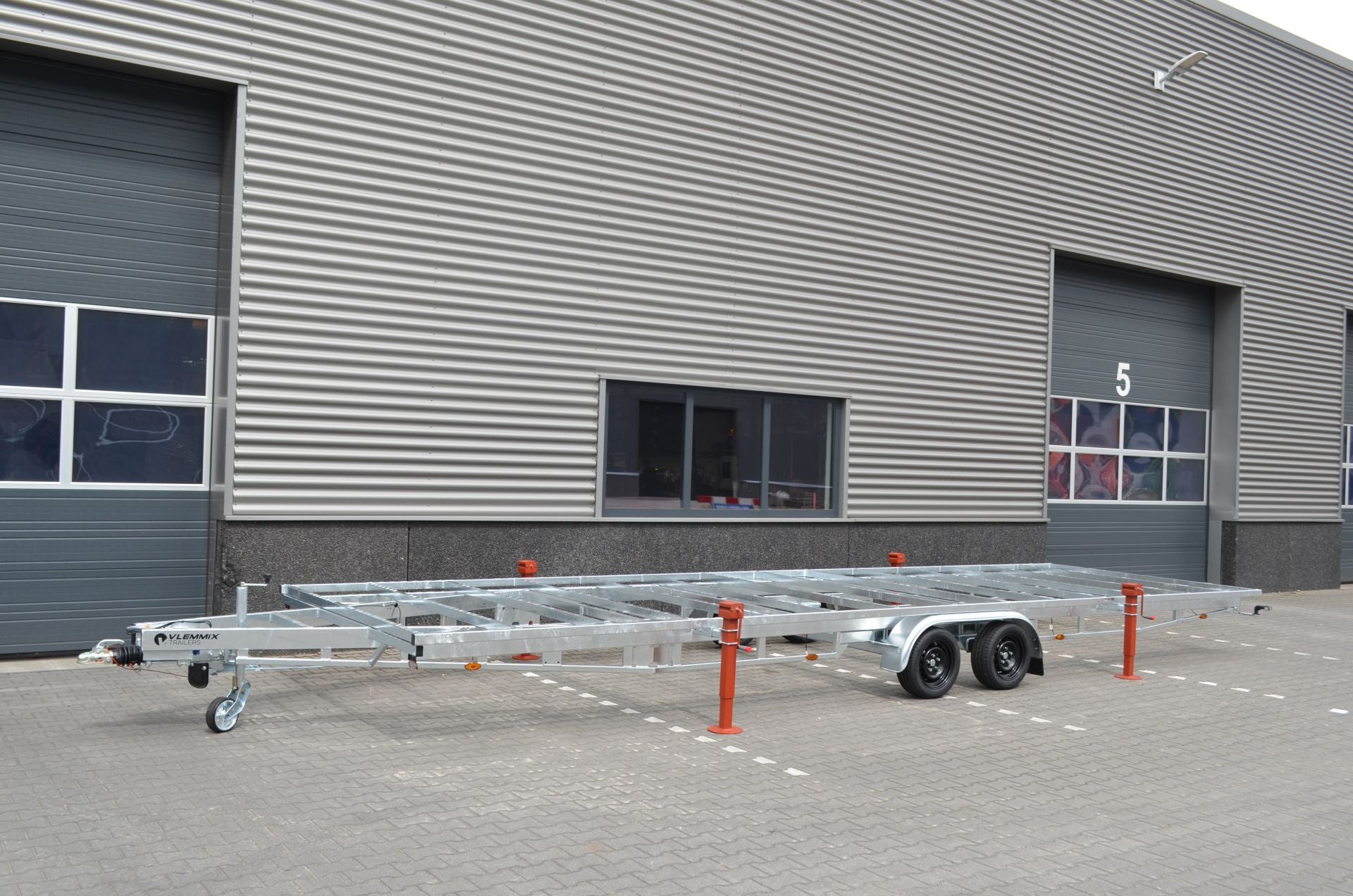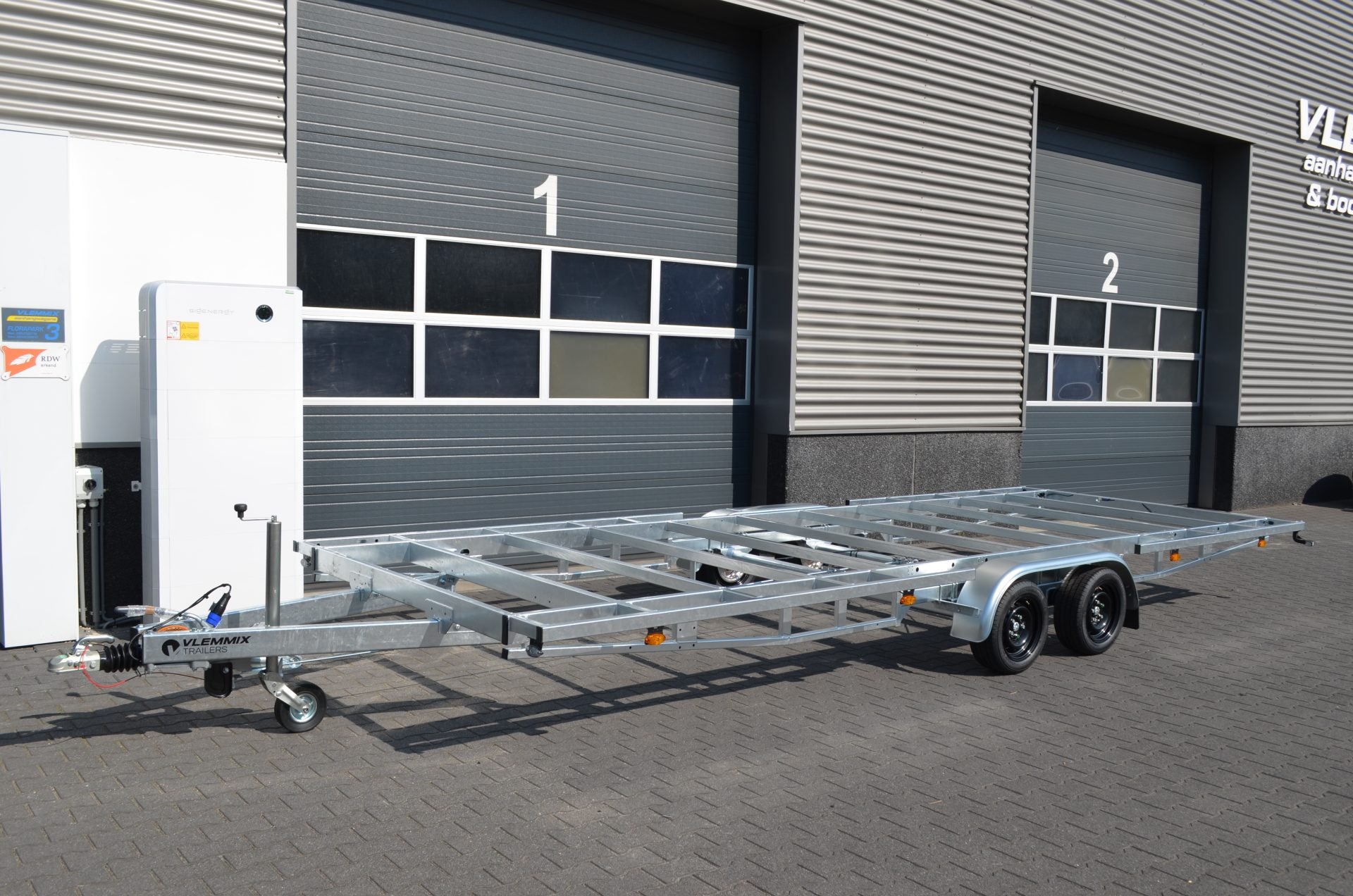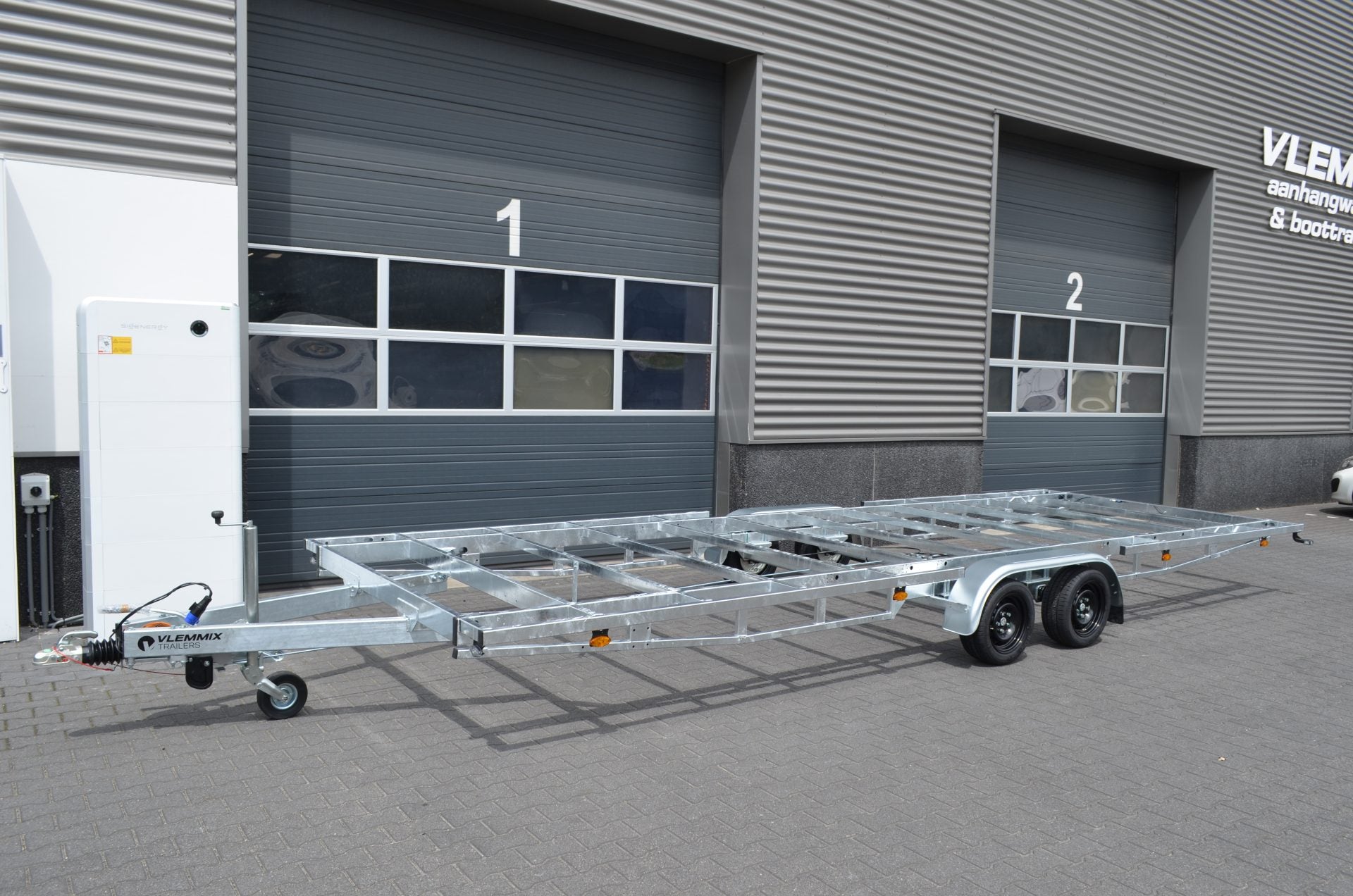

When does it make sense to pay more?
Buying a trailer seems like a simple decision until a question arises that many drivers ask themselves sooner or later. Is it worth paying more for a trailer with brakes, or is one without a braking system sufficient? The price difference exists, but important aspects such as safety, load capacity, and regulations governing their use on the road also change.
In Spain, thousands of trailers are towed by cars, SUVs, or light vans every day. These range from small gardening trailers to boat trailers and light machinery transport trailers. However, not all trailers function the same way or are designed for the same use. Understanding When is it advisable to choose a trailer with brakes, and when is a trailer without brakes sufficient? It avoids fairly common purchasing mistakes.
Difference between a trailer with brakes and one without brakes
The technical difference between the two types of trailers isn't limited to price or weight capacity. The key difference lies in the braking system integrated into the trailer itself.
A trailer without brakes It depends entirely on the towing vehicle's braking system. When the driver presses the brake pedal, the vehicle itself bears the entire braking force. This type of trailer is primarily used for light loads: transporting motorcycles, small cargo trailers, or very light boats.
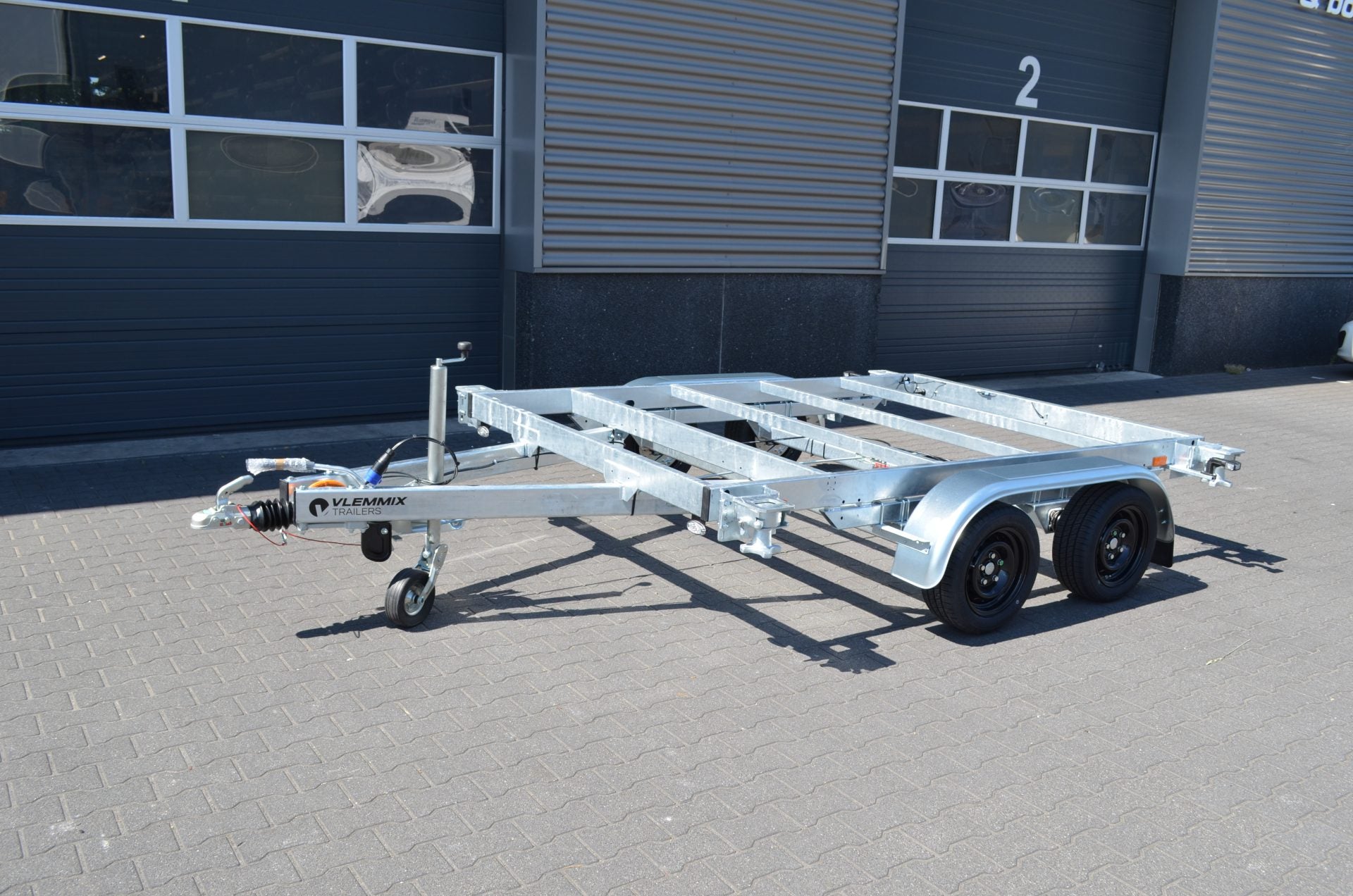
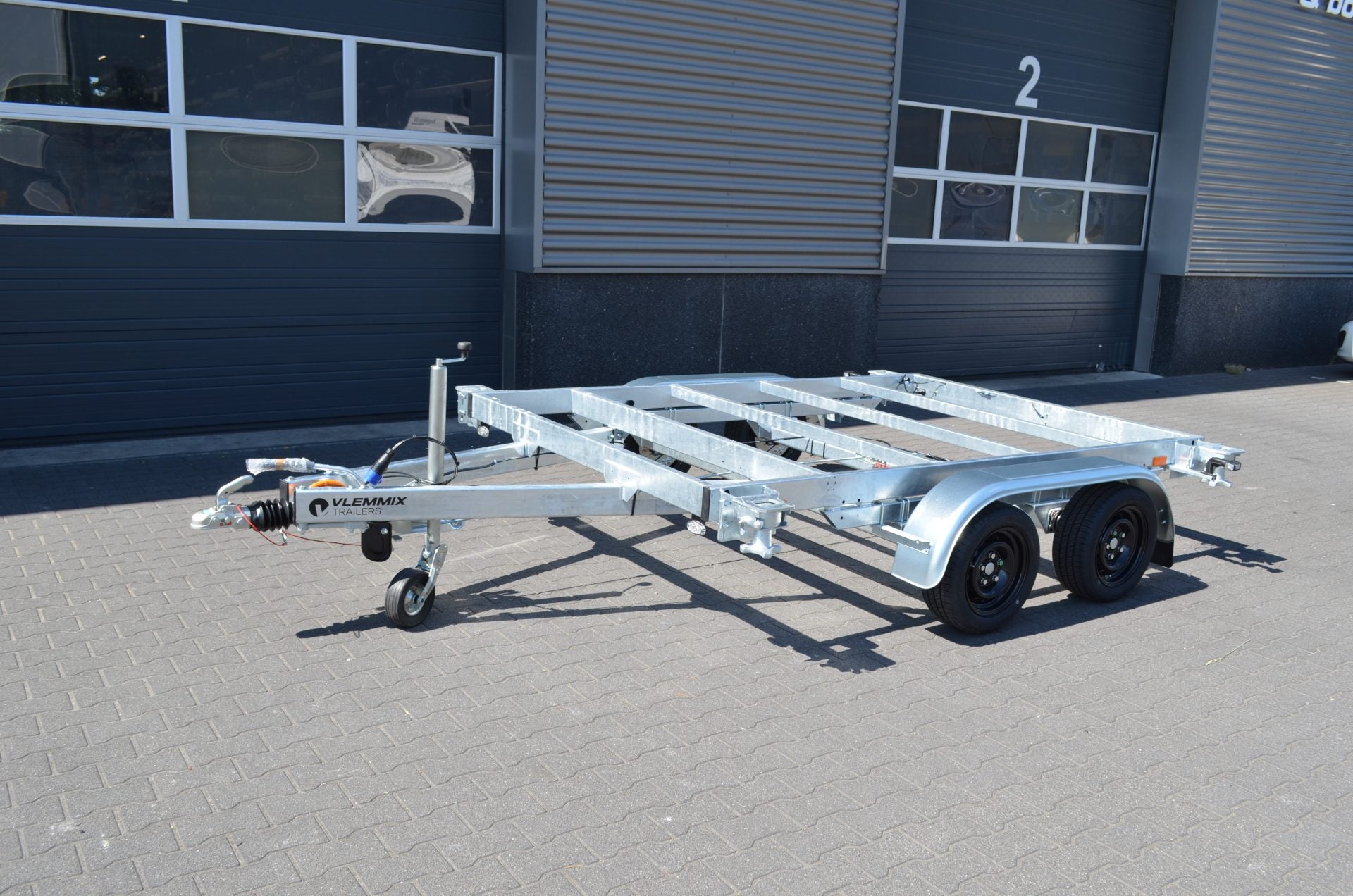
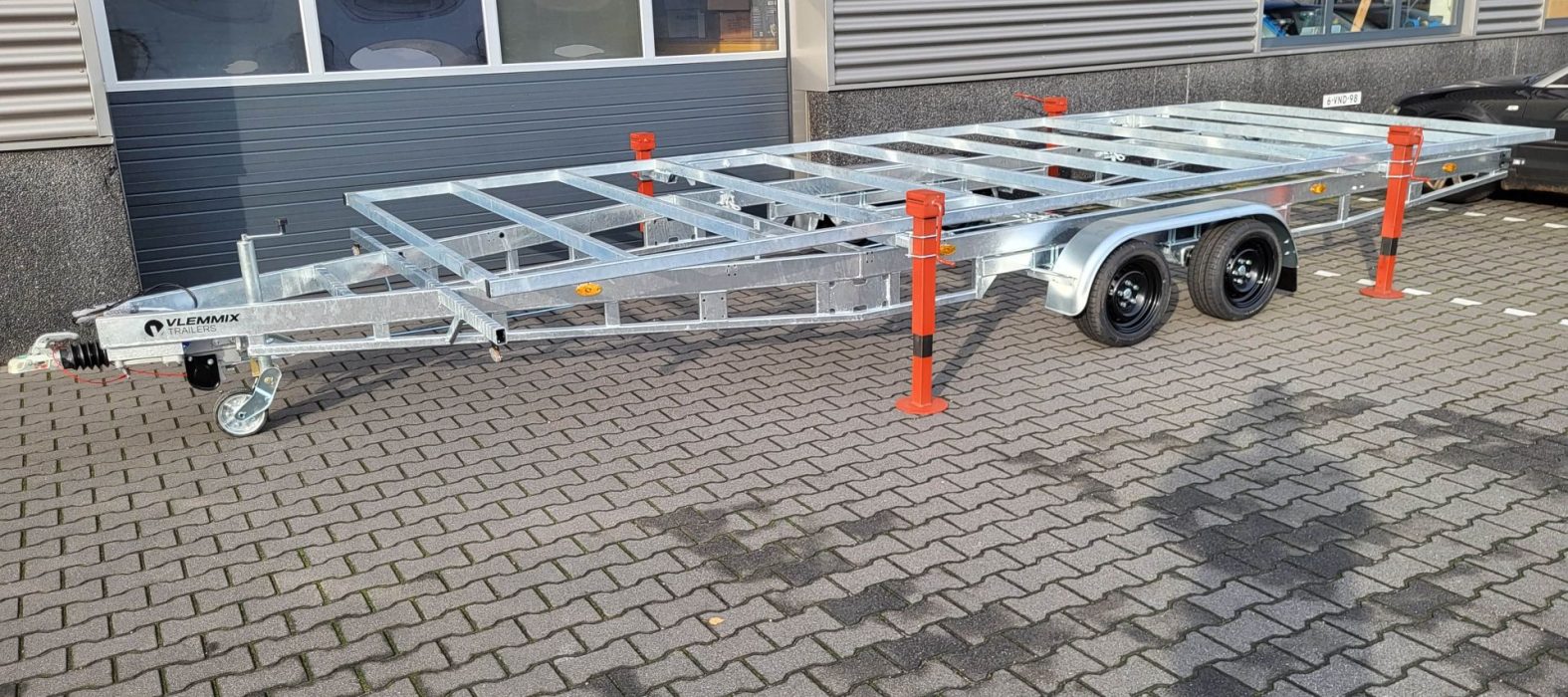
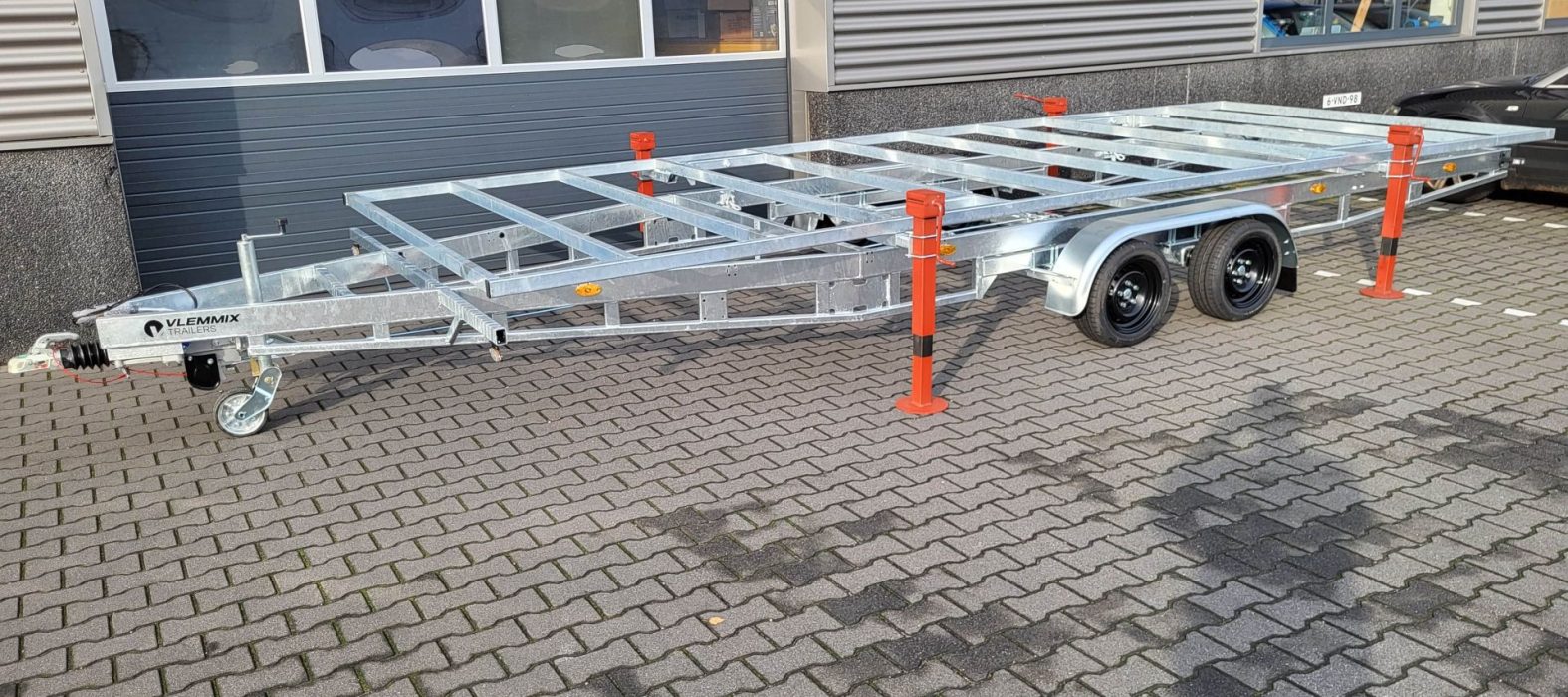
In contrast, a A trailer with brakes incorporates its own braking system , commonly known as an inertia brake. This mechanism activates when the vehicle slows down. The trailer's inertia engages the braking system and helps to bring the combination to a stop more gradually.
This system has a direct consequence: reducing braking distance and improving overall stability. On long journeys or when the trailer is carrying heavy loads, the difference is much more noticeable.
Spanish regulations on trailers with and without brakes
Spanish legislation establishes clear differences between the two types of trailers. These differences are outlined in the General Vehicle Regulations (Royal Decree 2822/1998) , which regulates the circulation of trailers and semi-trailers on the road.
Light trailers without brakes

In Spain, it is considered light trailer one whose Maximum Authorized Mass (MMA) is equal to or less than 750 kg. This type of trailer does not need its own braking system and does not require a separate registration.
Light trailers share the same registration as the towing vehicle and do not require separate insurance. For this reason, they are very popular among private users who need to transport occasional loads.
This type of trailer is common in activities such as transporting sports equipment, small boats, or work tools.
Braked trailers

When a trailer exceeds With a maximum authorized mass (MMA) of 750 kg , regulations require that it have its own braking system. In most cases, an inertia brake is used, which activates automatically during vehicle braking.
In addition, braked trailers must meet other administrative requirements. They need their own registration, separate technical data sheet, and mandatory insurance. They must also pass regular vehicle inspections (ITV). In many cases, the weight of the combination also determines the type of license required, which is explained in detail in [link/section/etc.]. What license do you need to drive a trailer in Spain, depending on the load ?
This type of trailer is common in the transport of light machinery, vehicles, boats or loads that easily exceed the limits of a light trailer.
When is it worth choosing a trailer with brakes?
The choice between a braked and an unbraked trailer depends not only on the weight of the load. Other factors include the type of journey, the towing vehicle, and how frequently the trailer is used.
A A braked trailer offers clear advantages when transporting heavy loads. or when the vehicle is traveling on roads with steep inclines. On long descents, for example, the self-braking system reduces the effort required by the car's brakes.
It also improves the overall handling when driving at constant speeds on the motorway. Braking force is distributed between the vehicle and the trailer, providing greater stability.
Many users discover this difference when transporting boats or machinery. A trailer without brakes may function correctly with light loads, but when the weight approaches the legal limit, the safety margin decreases.
This happens frequently in maritime transport. A small boat can use a lightweight trailer, but as the weight of the hull, engine, and equipment increases, the use of Boat trailers with brakes become practically essential .
Situations where an unbraked trailer is sufficient
Not all uses justify investing in a trailer with a braking system. In many cases, a lightweight trailer perfectly fulfills its purpose.
Trailers without brakes work well when the load weight is low and use is occasional. Activities such as transporting tools, small moves, or moving sports equipment are usually done with this type of trailer.
They are also practical for short journeys, especially in urban environments or for travel within the same town.
Another important advantage is mechanical simplicity. A trailer without brakes has fewer components, which reduces maintenance and simplifies its use for drivers who don't use the trailer frequently.
In many cases, the key lies in the The type of cargo that is regularly transported . If the trailer is used to transport weight consistently, the braking system eventually pays for the initial investment.
Common mistakes when choosing a trailer
One of the most common situations in the trailer market is buying a model that's too small for the load they want to transport. Many users only calculate the weight of the main load and forget to add additional items like tools, fuel, or accessories.
In the case of boats, for example, the total weight includes the hull, engine, fuel, and onboard equipment. This calculation can easily exceed the limits of a lightweight trailer.
Another common mistake is not taking into account the Towing capacity of the tractor unit . Each car has a maximum towing capacity limit, which is shown on the vehicle registration document. Exceeding this limit directly affects safety and can cause insurance problems in the event of an accident.
It's also important to consider the type of use. A trailer used once a year might be lightweight, but when used frequently, the braking system provides safety and durability.
Factors that influence the price of a braked trailer
The cost of a braked trailer is usually higher than that of a light trailer, but the difference is explained by several technical elements.
The inertia braking system, reinforced axles, and structure designed to withstand heavier loads directly influence the final price. Furthermore, these trailers typically incorporate more robust components.
The frame material, the quality of the bearings, or the strength of the trailer drawbar also contribute to that difference.
In many cases, users who regularly use the trailer feel that the additional price is compensated by the improvement in safety and stability while driving.
How to choose the right trailer for your needs
Before buying a trailer, it's advisable to carefully consider its intended use. The weight of the load, the type of vehicle, and the frequency of use are all factors that will help you make the right decision. If you plan to transport a boat, you should also check its capabilities. A guide to choosing the perfect trailer for your boat , explaining the most important technical criteria.
It is also important to check the Maximum Authorized Mass (MMA) of the trailer and the vehicle to ensure that the set complies with Spanish regulations.
Trailers with brakes vs. without brakes: When a trailer is used to transport boats, machinery, or vehicles, the safety margin becomes even more important. Choosing a slightly oversized trailer usually offers better results than always working close to the limit, especially when using... sailboat trailers designed to support the weight of the keel and maintain stability during transport.
A well-chosen trailer not only makes transport easier, but also improves road stability and reduces wear and tear on the tractor unit's components.
Professional advice to choose the right trailer
Choosing between a trailer with brakes and one without depends on several technical factors that should be carefully considered. The weight of the load, the type of journey, and the frequency of use directly influence the choice.
In trailer.es We advise drivers and owners looking for the right trailer for their vehicle and intended use. Our team analyzes each case, taking into account Spanish regulations and the characteristics of the vehicle-trailer combination.
In addition, we offer a wide range of trailers designed for stability, safety, and durability on the road. Each model is precision-engineered and designed to suit various transport needs, from light loads to professional applications.