On January 5, 2023, a tractor pulling a Three Kings float in Marchena (Seville) experienced a 15-second brake failure. To avoid hitting a musical group, it swerved sharply, hitting 12 people. Lola, 72, died. A previous vehicle inspection had not detected the fault.
This is not an isolated case. In 2024, a float caught fire in Gines (Seville) due to an electrical fault. In Badajoz, a component fell two meters when a support gave way. At the Tenerife Carnival 2026, a float had to be immobilized due to a fuel leak. Each incident points to preventable errors, almost always in the float construction phase.
This article details the 12 most recurrent errors we see in festival committees and clubs that come to Remolque.es. Each with documented real consequences and how to avoid them.
Why this list matters more this year
Parades and carnivals involve serious money. Madrid's 2025 parade cost €174,000 for its three main floats alone, and €47,400 for security. An average brotherhood float costs around €3,000. Every construction error has a real economic cost: ITV suspended the previous week, municipal fine, injuries that activate civil liability insurance. And, in the worst cases, human lives.
The FEMP's "Safe Parade" decalogue and municipal regulations from city councils such as Vélez-Málaga, Pájara, and Gáldar agree on critical points. Most of the following 12 errors are explicitly included in these regulations. Failing to detect them in time is costly.
1. Confusing B license with B+E and driving without the appropriate permit
A B license allows towing trailers up to 750 kg MMA with a combined vehicle and trailer weight of up to 4,250 kg. If the finished float weighs more, you enter B96 or B+E territory. Driving without the correct license turns any incident into a serious or very serious offense.
The error arises from calculating the weight of the empty float and forgetting about performers (80 kg per person), props (150-400 kg), and the generator set (40-90 kg). A float with 8 performers already weighs 640 kg in people alone.
Solution: confirm the platform's MMA against the actual loaded weight before choosing a driver. Current regulations are detailed in Remolque.es's license guide.
2. Requesting municipal permit too late
Each city council requires an application for a mass event with a minimum notice period of 30 to 60 days. Committees that submit papers three weeks before the parade receive automatic denials.
Municipal regulations set different maximum dimensions depending on the city. In Vélez-Málaga, the maximum height is 4 m including decoration. In Gáldar, the total length cannot exceed 12 m. Ignoring this results in cancellation or a fine of €600-€3,000 according to local ordinance.
Solution: download the previous year's regulations as soon as the date is confirmed and consult a municipal technician before starting construction.
3. Forgetting specific civil liability insurance
Trailer insurance covers normal circulation. It does not cover mass events with the public on sidewalks and performers on board. A fall from the float or a hit-and-run during the parade activates the organizer's civil liability.
Specific insurance for the day of the event costs between €30 and €80 depending on coverage. Some policies require certified railings and an onboard fire extinguisher as coverage conditions. Without a policy, any accident like the one in Marchena (1 fatality + 5 injured) leaves the organizer exposed to six-figure compensation.
Solution: contract an event policy at least 15 days in advance and keep a printed copy in the float along with the vehicle registration.
4. Building on an unapproved trailer
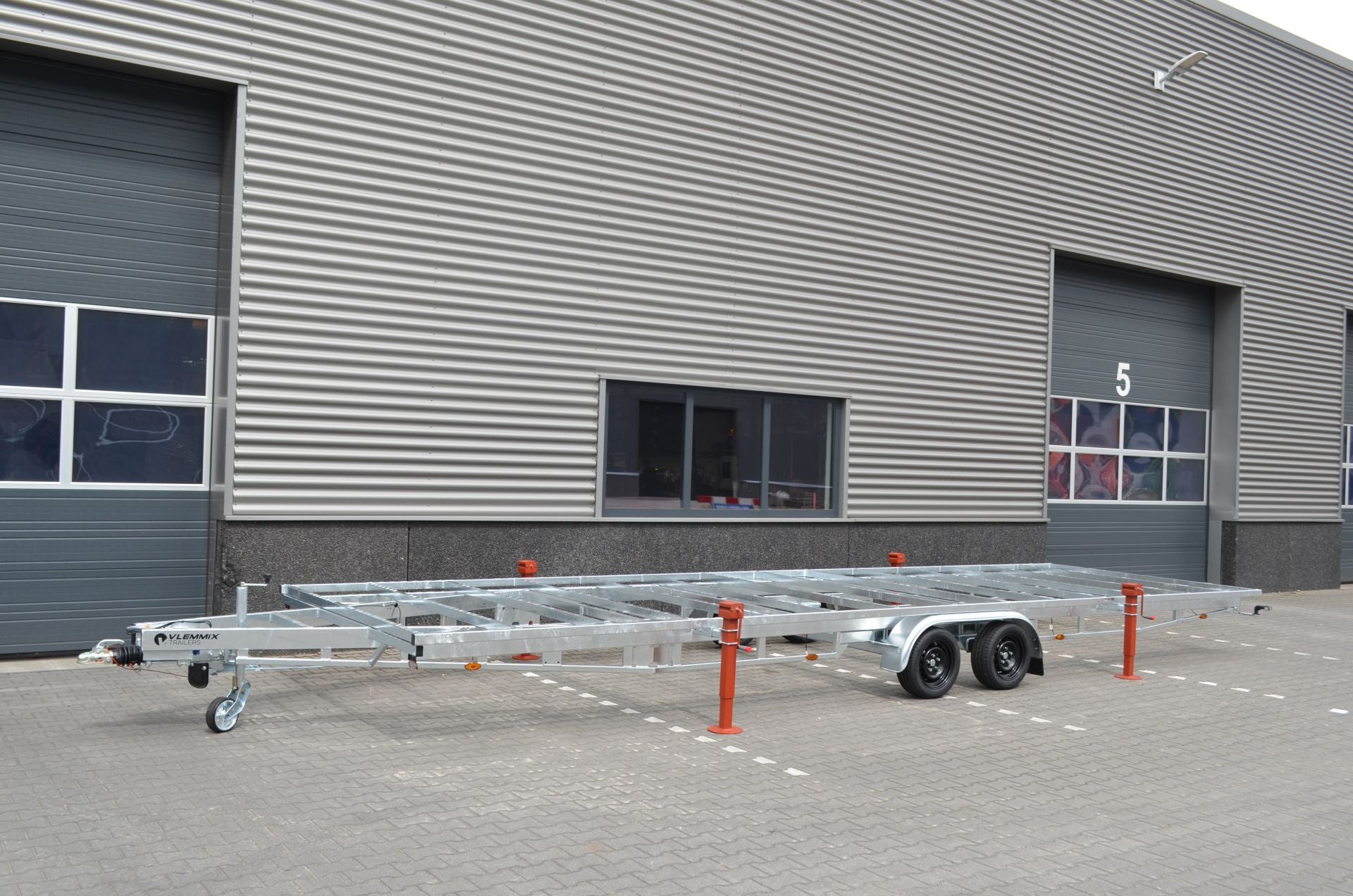
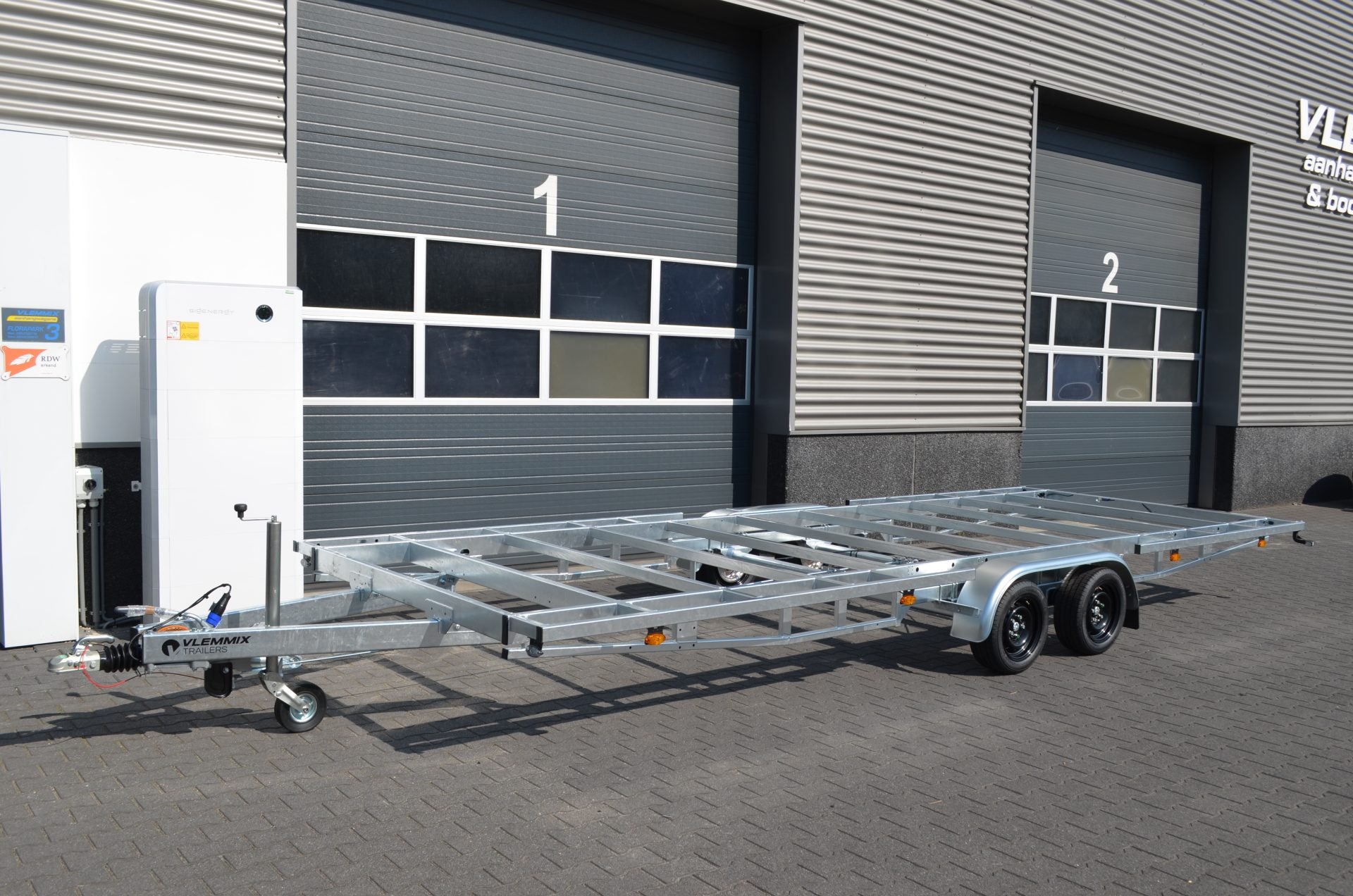
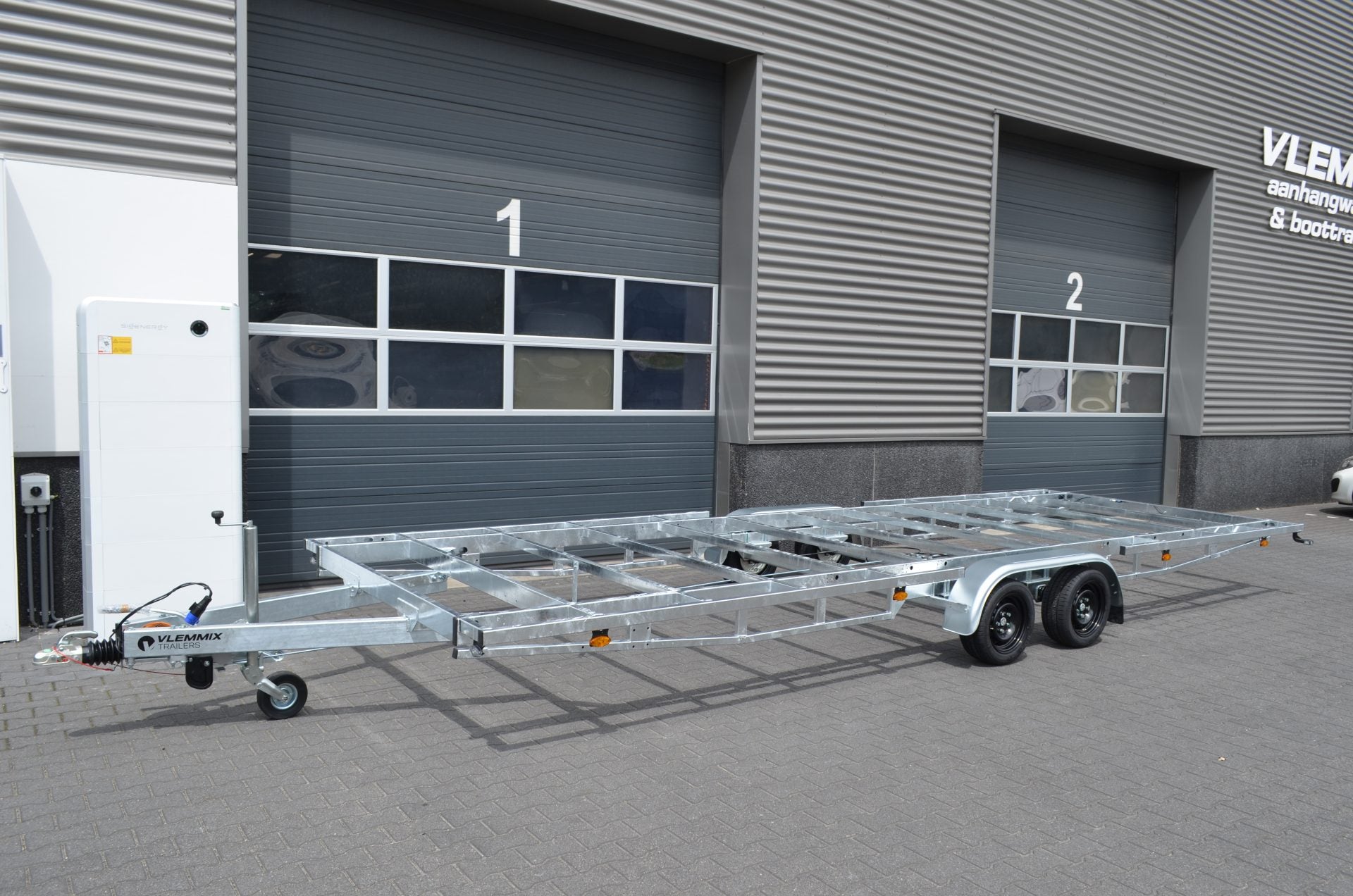
The most expensive and common mistake. The association buys a second-hand platform without documentation, mounts the decoration, and finds out the week before that it won't pass the ITV (vehicle inspection). Driving without a valid inspection card is a very serious offense: the Guardia Civil impounds the entire vehicle when it leaves the workshop.
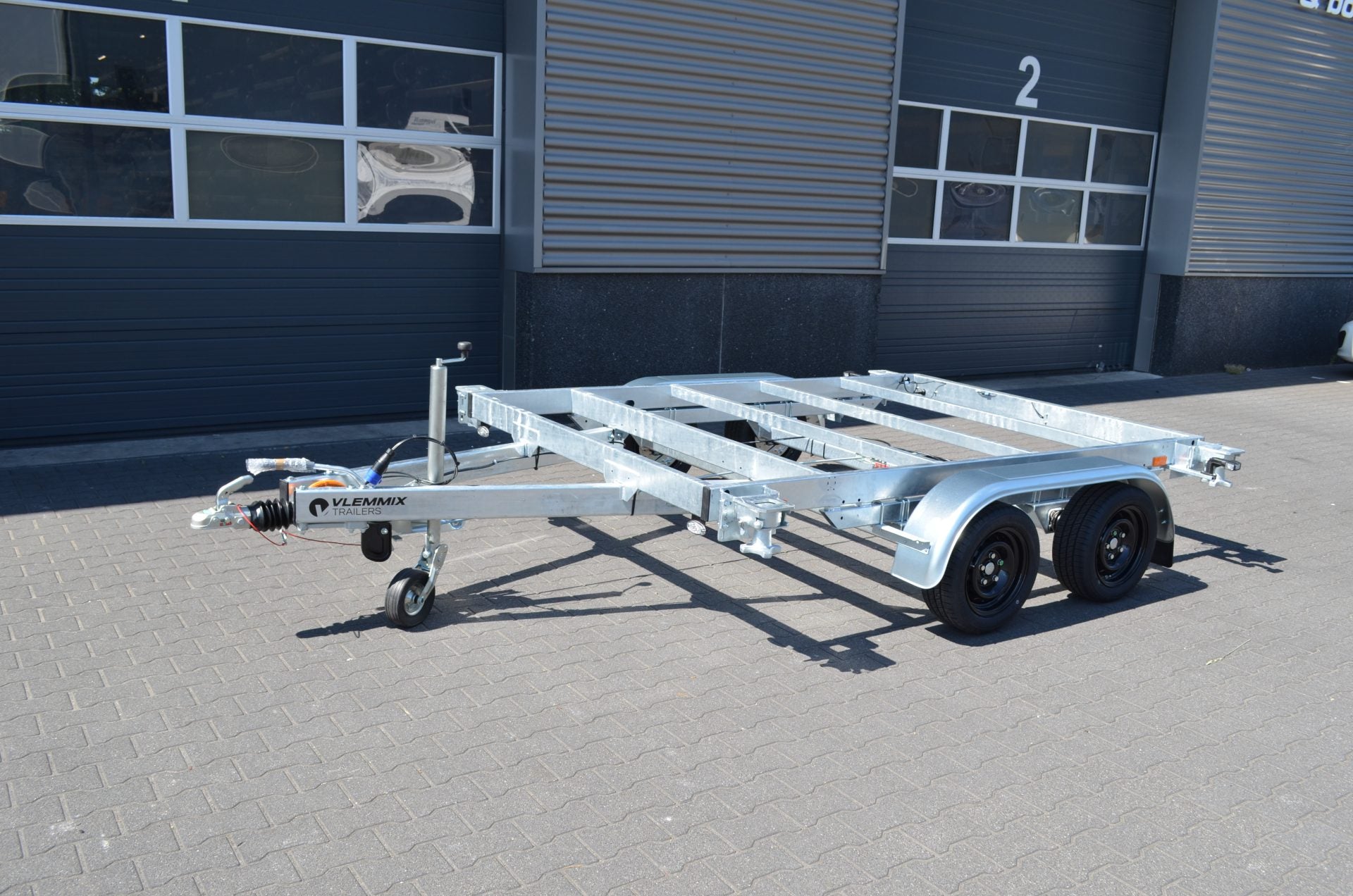
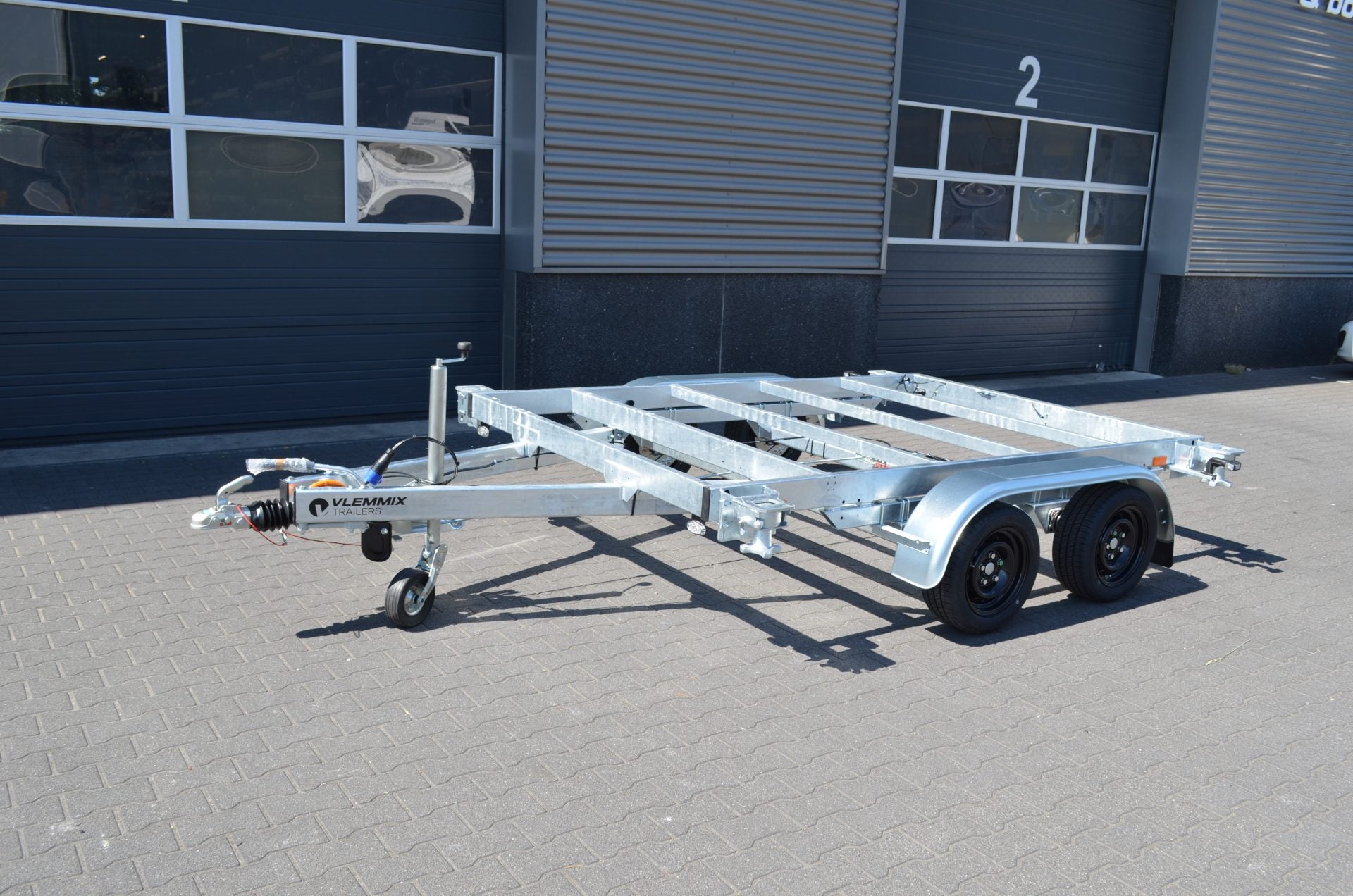
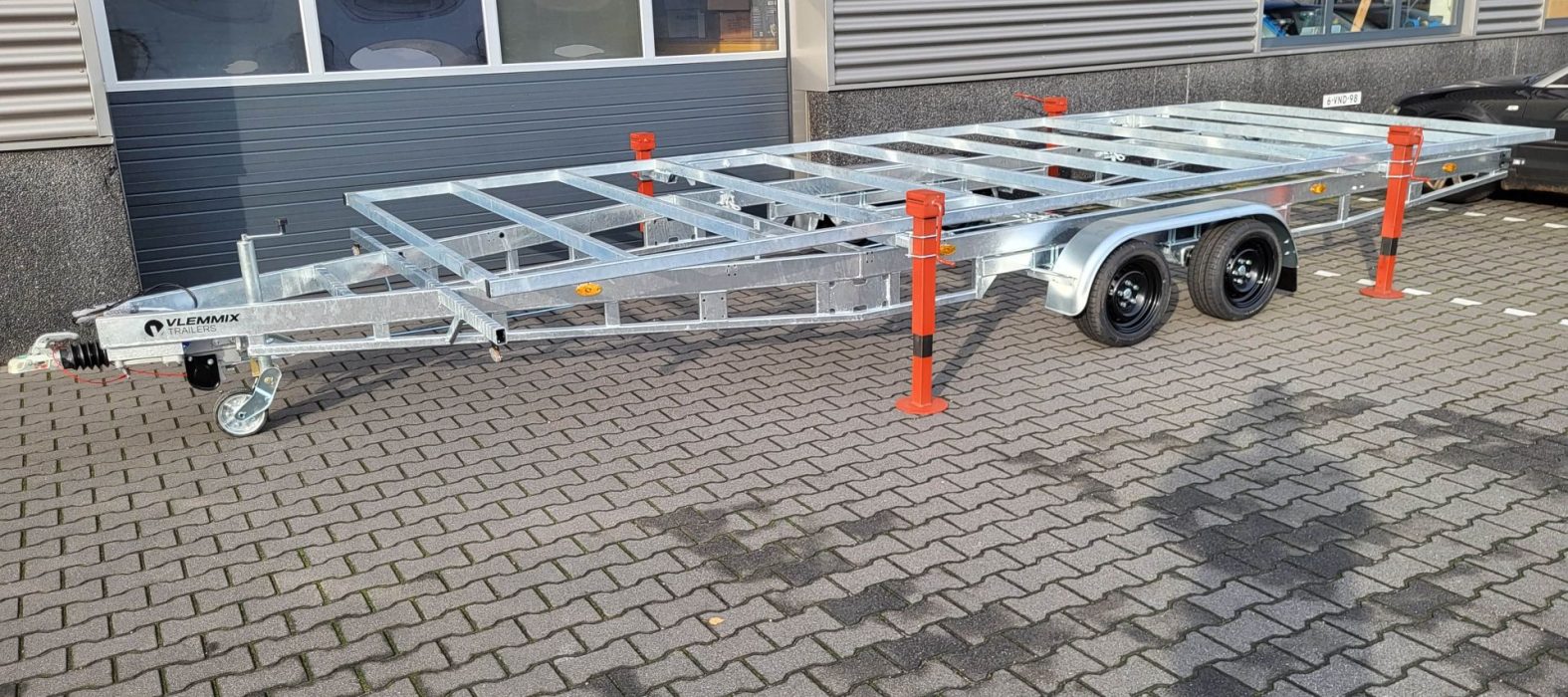
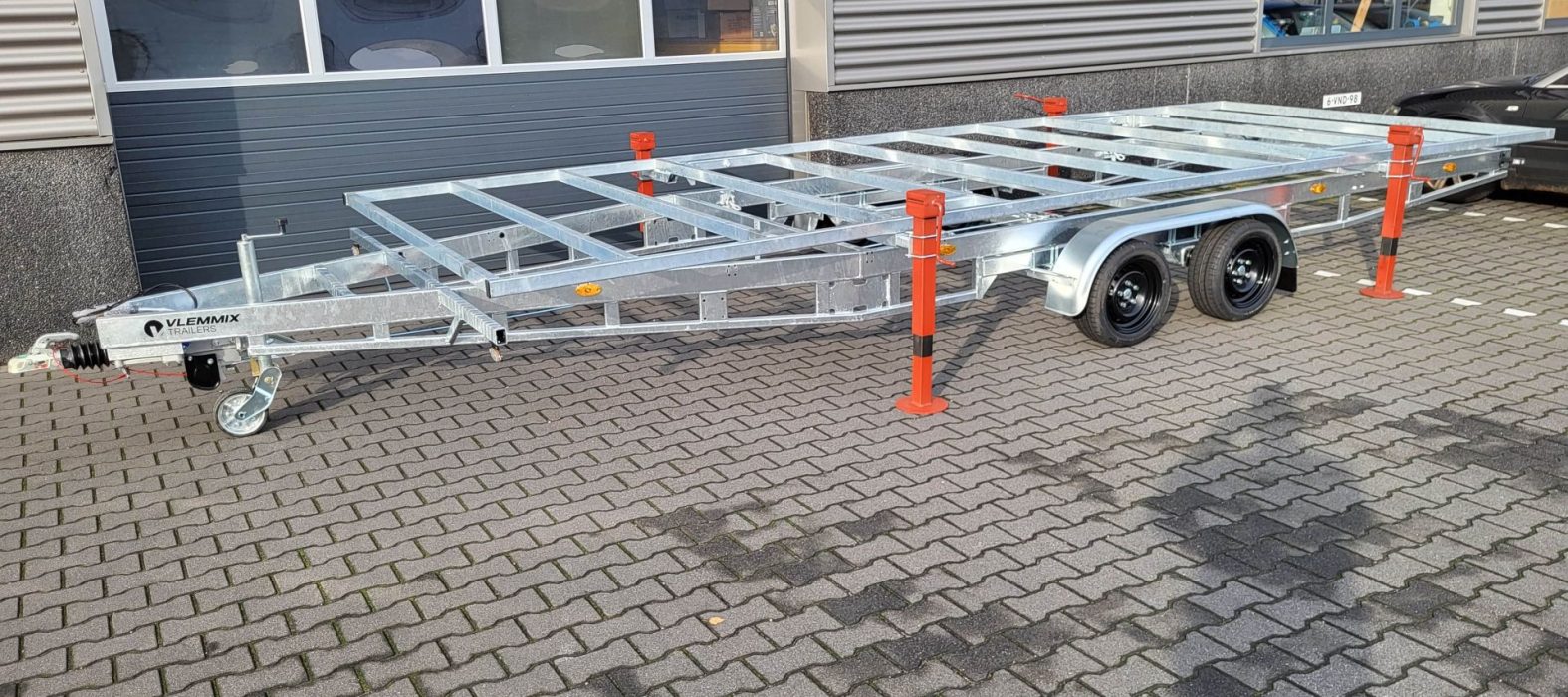
Deteriorated galvanization, worn brakes, and incomplete papers are the three typical symptoms of an unapproved trailer. A new approved platform costs between €1,900 and €5,500 depending on size, comes with a valid ITV card, registration in the buyer's name, and a European technical sheet.
Solution: buy a new approved platform or, if buying second-hand, demand a valid ITV and check the galvanization before paying.
5. Allowing performers without a regulated 1-meter railing
Municipal regulations require a minimum 1-meter high railing on any float with performers on board. The railing must be fixed to the chassis, not supported by the decoration.
The Badajoz case illustrates this: a performer leaned over to hand out candy, the support gave way, and they fell two meters onto the asphalt. In Seville 2025, a pageboy for Balthasar lost his balance on Asunción Street when the float went over a bump. Railings prevent most of these falls.
Solution: install a metal railing fixed to the chassis with through bolts. Do not use screws on the decorative plywood.
6. Forgetting the mandatory fire extinguisher or using non-fire-retardant materials
Every float must carry a CO2 fire extinguisher on board. If it has a generator set, the mandatory extinguisher is a 6 kg dry powder one. The ordinance is explicit in Vélez-Málaga, Pájara, and Gáldar.
The fire in Gines (Seville, January 6, 2024) started due to an electrical fault. The float burned, and it had to be evacuated. The fire spread quickly because the decoration mixed fabrics, plastics, and expanded polystyrene without fire-retardant treatment.
At the Santa Cruz de Tenerife Carnival 2026, a float was immobilized in the middle of the parade due to a generator fuel leak. Trade unions reported that many floats have structural deficiencies that compromise public safety. The leak appeared because the plastic tank was rubbing against a metal part of the chassis during the route.
Solution: use fabrics and foams with M1 certification (difficult combustion) and keep the fire extinguisher accessible to the driver throughout the route.
7. Miscalculating payload and exceeding MMA
This is a consequence of error 1, viewed from another angle. The correct calculation adds:
-
Trailer weight itself (between 280 and 820 kg depending on model)
-
Decorative structure (150-400 kg)
-
Performers (80 kg/person)
-
Sound equipment and batteries (20-40 kg)
-
Generator and fuel (40-90 kg)
-
Candy and movable props (50-200 kg)
A float with 8 performers and average decoration exceeds 1,200 kg without counting the trailer. If the trailer weighs 800 kg, the total is 2,000 kg. If it weighs 570 kg, the total drops to 1,770 kg. Those 230 kg freed up are the difference between needing B+E or continuing with a B96 license. The detailed explanation of how to calculate it is in the MMA and payload guide.
Solution: weigh the empty decorated float before performers get on. If there is no scale, use the manufacturer's theoretical weight table.
8. Deciding on height without measuring the route
Heraldo noted in its list: public lighting cables, poles, traffic lights, and street arches limit useful height. The typical urban parade route in towns does not allow floats higher than 3.80 m, and in large cities, the ceiling is 4 m.
Designing a 4.50 m float because the neighborhood factory hasn't measured the bridges leads to dismantling the top of the decor during the last rehearsal. The legal limit for width is 2.55 m total width and 4 m height including load.
Solution: physically measure the route with a tape measure and a guide vehicle the week before the rehearsal.
9. Buying the platform a week before the parade
The average manufacturing time for an approved platform in stock is 2 to 3 weeks. Specific configurations go up to 4 to 6 weeks. Purchases made in December for a January 5th parade are the usual cause of platforms being rented at double the price or used second-hand without guarantees.
Maspalomas experienced the problem in 2024: float builders reported plate rentals at inflated prices due to concentrated demand in a few weeks. An association that resorts to emergency rental pays double for a platform with fewer guarantees.
In concrete figures: an emergency rented platform in Maspalomas went from €600 per season to over €1,200 in 2024 due to concentrated demand in four weeks. The additional cost eats up a large part of the decoration and props budget.
Solution: place the order in September or October if the parade is in January. For February Carnival, in November.
10. Undersized electrical system without redundancy
The fire in Gines (Seville, 2024) started due to electrical overload. The float had LED lights, sound equipment, a smoke machine, and animated figure motorization connected to a single 2 kVA generator set. Actual consumption exceeded 2.8 kVA. The wiring overheated.
The correct calculation adds:
-
LED lights: 5-15 W per meter of strip
-
Sound equipment: 200-1,000 W depending on speakers
-
Smoke machine: 1,500-3,000 W
-
Motorization: 200-500 W per servo
A float with powerful sound and a smoke machine needs a minimum 3 kVA generator, with a thermomagnetic protection system and a backup plan (auxiliary batteries) if the generator fails halfway through the route.
The risk goes beyond fire during the parade. In January 2026, a float builder for the Three Kings parade suffered partial permanent disability after a workplace accident in the workshop while working on the electrical installation. Undersized wiring poses a risk in both construction and circulation.
Solution: size the generator with a 30% margin over theoretical consumption and use certified, not domestic, wiring.
11. Failing to properly fix the decorative structure to the chassis
The decoration must be anchored to the trailer chassis, not to the railings or the plywood floor. The typical mistake: short screws driven into the board, which come loose with the first bump.
When the structure gives way at 30 km/h in a roundabout, performers lose their grip. The rigidity of the whole matters because the trailer is approved for dynamic, not static, loads. The chassis uses 3 mm thick hot-dip galvanized steel (compared to the industry standard of 1.5 mm), which provides firm anchor points.
Solution: use through bolts to the chassis with large washers. Reinforce critical joints with metal brackets.
12. Off-center float that unbalances the trailer
Load distribution determines the stability of the assembly at driving speed. A float with all the weight shifted to the rear lifts the hitch, loses traction, and oscillates laterally when braking.
The basic rule: 60% of the weight should be between the axles and 40% distributed to the front. The hitch should never weigh less than 25 kg or more than 100 kg on a standard 3,500 kg platform.
Solution: weigh the hitch with a portable scale before the parade. Reorganize props if the hitch is out of range.
How to avoid the 12 errors: a 30-day checklist
|
Deadline |
Action |
|
90 days before |
Application to city council, download current ordinance |
|
60 days before |
Order approved platform |
|
45 days before |
Design with theoretical height, width, and weight |
|
30 days before |
Physical measurement of the route, RC insurance contract |
|
21 days before |
Construction of decorative structure anchored to the chassis |
|
15 days before |
Electrical installation with sized generator |
|
10 days before |
Joint weighing and verification of MMA + license |
|
7 days before |
On-route rehearsal with complete float |
|
1 day before |
Fire extinguisher, railings, fixings check |
Frequently asked questions
What regulations govern parades and floats in Spain?
Regulations combine three levels: DGT (transport and driving), municipal ordinance (event authorization and dimensions), and FEMP decalogue (safety recommendations). The local ordinance dictates height, width, fire extinguisher, and railing.
What is the maximum legal weight of a float?
It depends on the approved trailer's MMA. Most float platforms go up to 3,500 kg MMA. Above that, special transport regulations apply.
Is a fire extinguisher mandatory on the float?
Yes. Municipal regulations in Vélez-Málaga, Gáldar, Pájara, and others explicitly require it. If it has a generator set, the mandatory extinguisher is a 6 kg dry powder one.
How is the maximum route height measured?
With a tape measure or laser pointer aiming at the lowest cable on the route. The useful height is usually 30 cm below the lowest cable (safety margin for swaying).
What license do I need to tow a finished float?
A B license if the combined weight does not exceed 4,250 kg. A B96 license if it is between 3,500 and 4,250 kg with a trailer over 750 kg. A B+E license if the combined weight exceeds 4,250 kg, up to a maximum of 7,000 kg.
Does an approved platform remain approved with the decoration on top?
Yes, as long as the decoration does not modify the chassis, original fixings, lights, or braking system. If any of these systems are modified, it must undergo reform at the ITV.
How many months in advance should the platform be purchased?
At least two months before the parade if it's an in-stock model. Three months if you need a specific configuration.
Build on an approved base
The 12 errors share a common origin: decisions made late about problems that could have been anticipated. An approved base eliminates errors 4, 7, and 9 in one go. Remolque.es platforms for parades and floats are delivered with a valid ITV card, registration in the buyer's name, 3 mm hot-dip galvanized steel, and a two-year warranty.
A 6 m platform with a tare weight of 570 kg frees up between 80 and 330 kg of payload compared to the European competitor's standard of 650-900 kg. That's the difference between driving with a B96 or needing a B+E license.