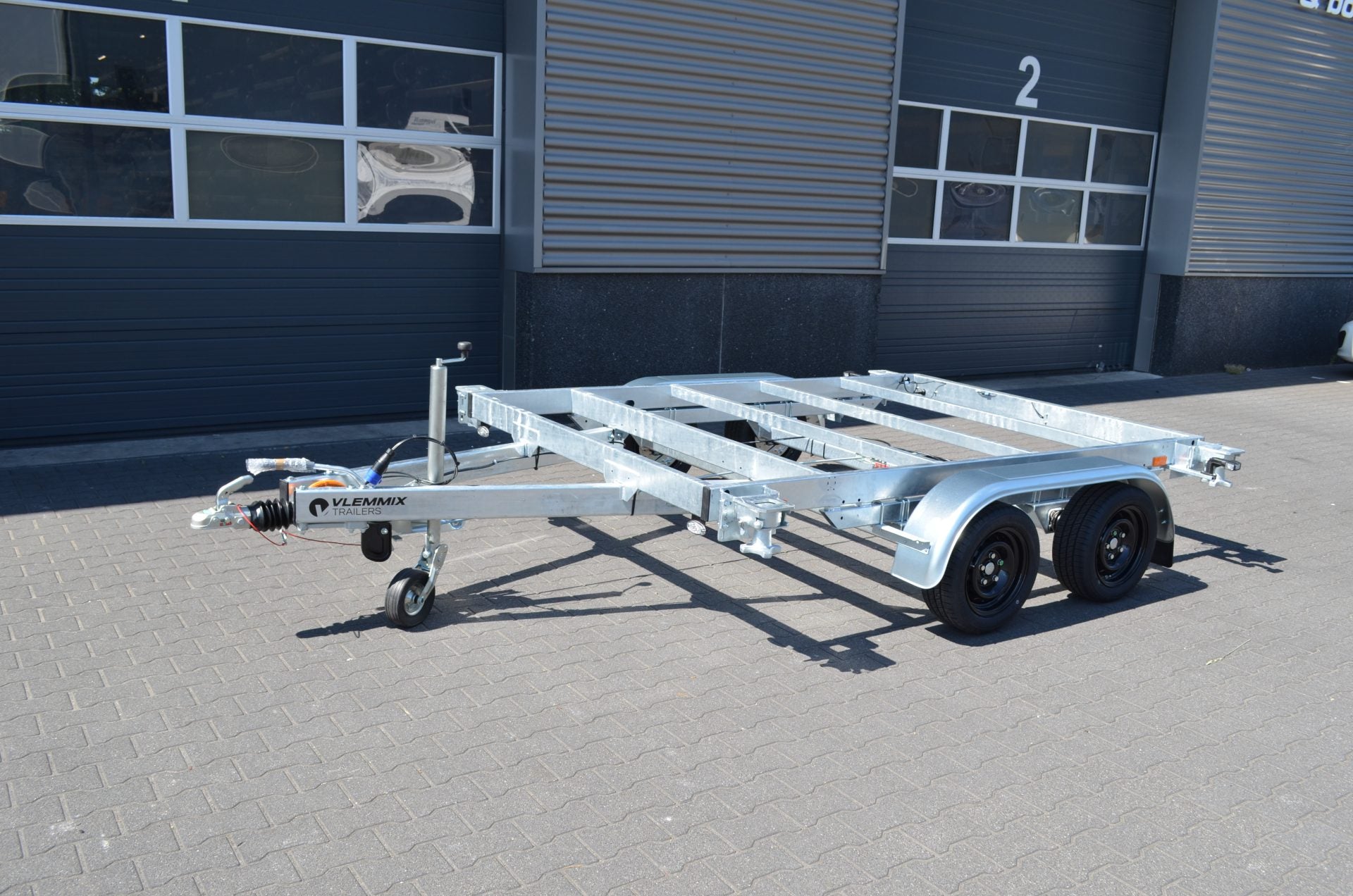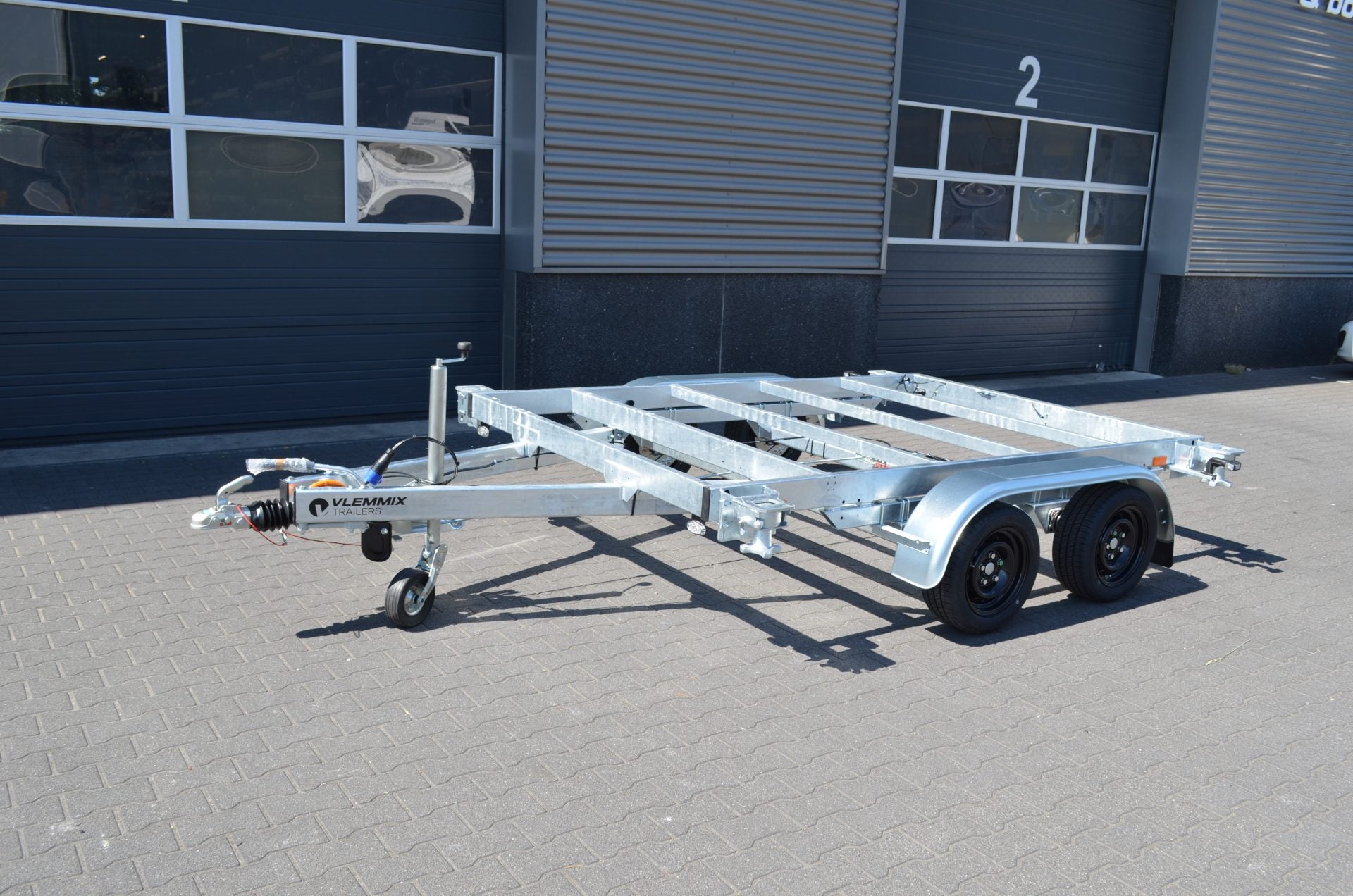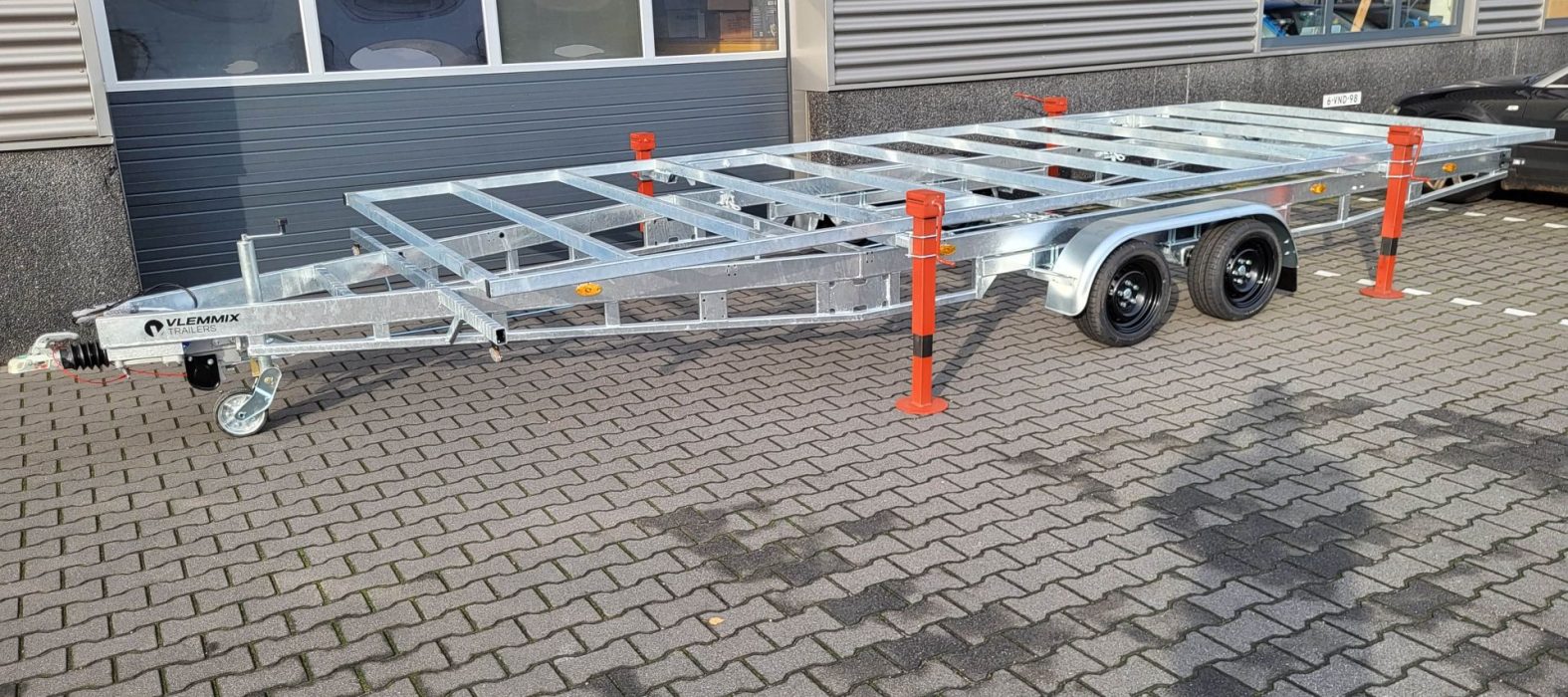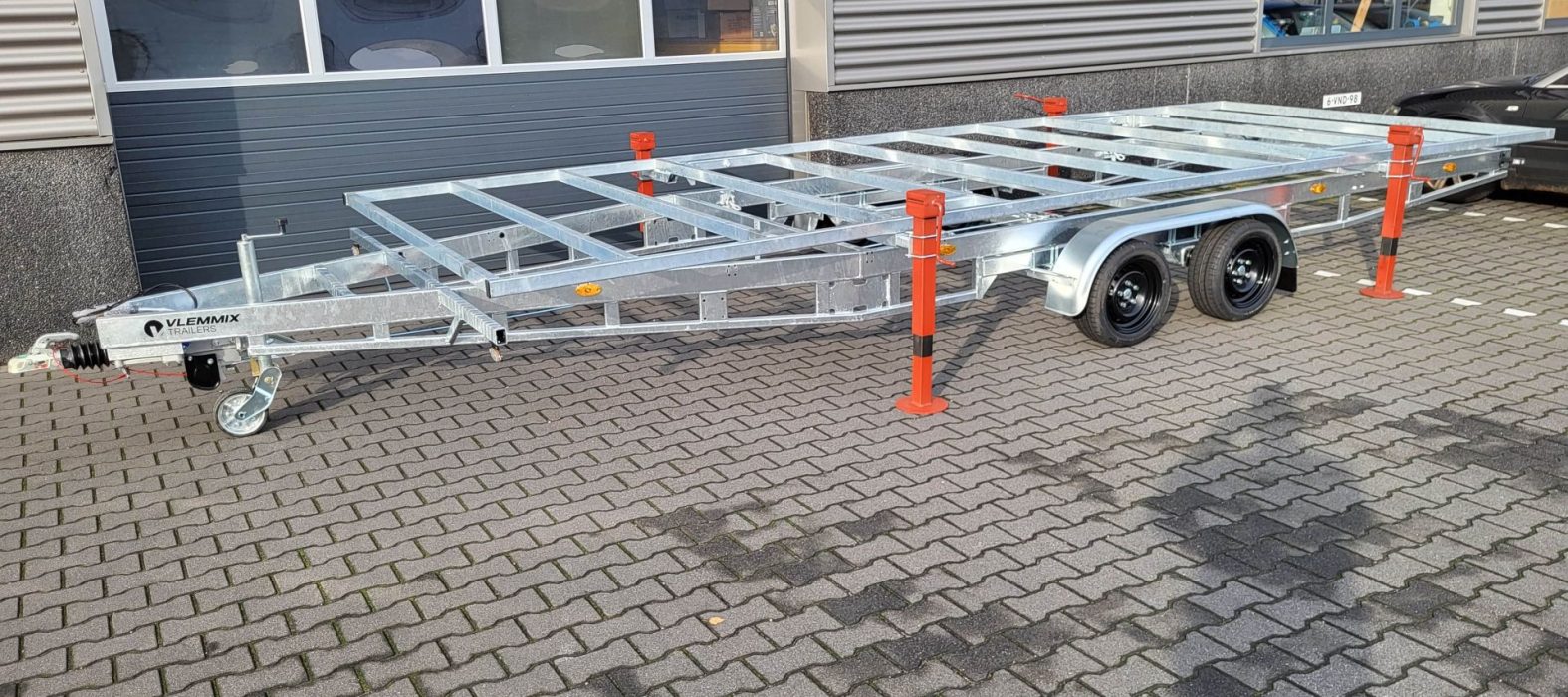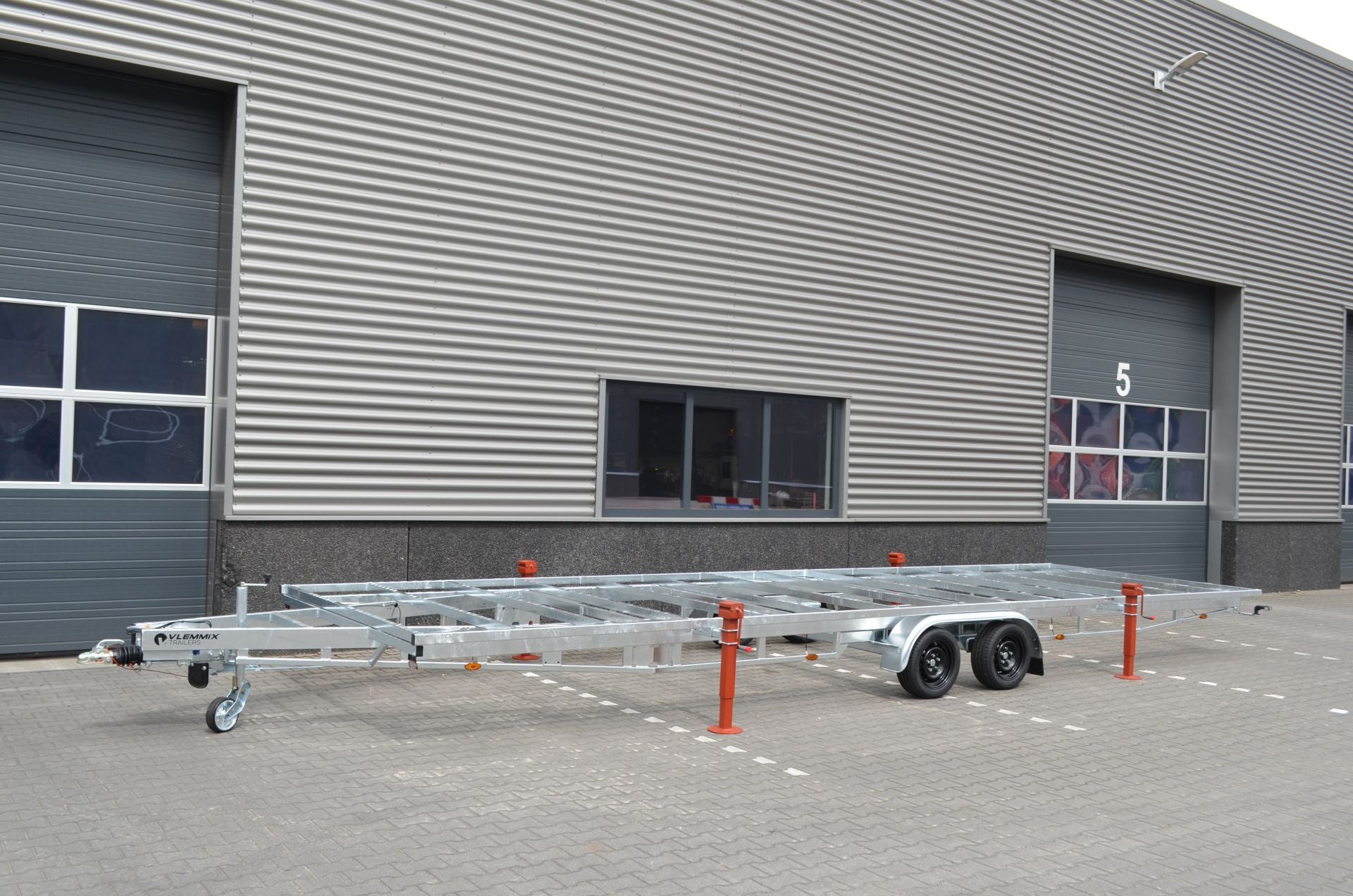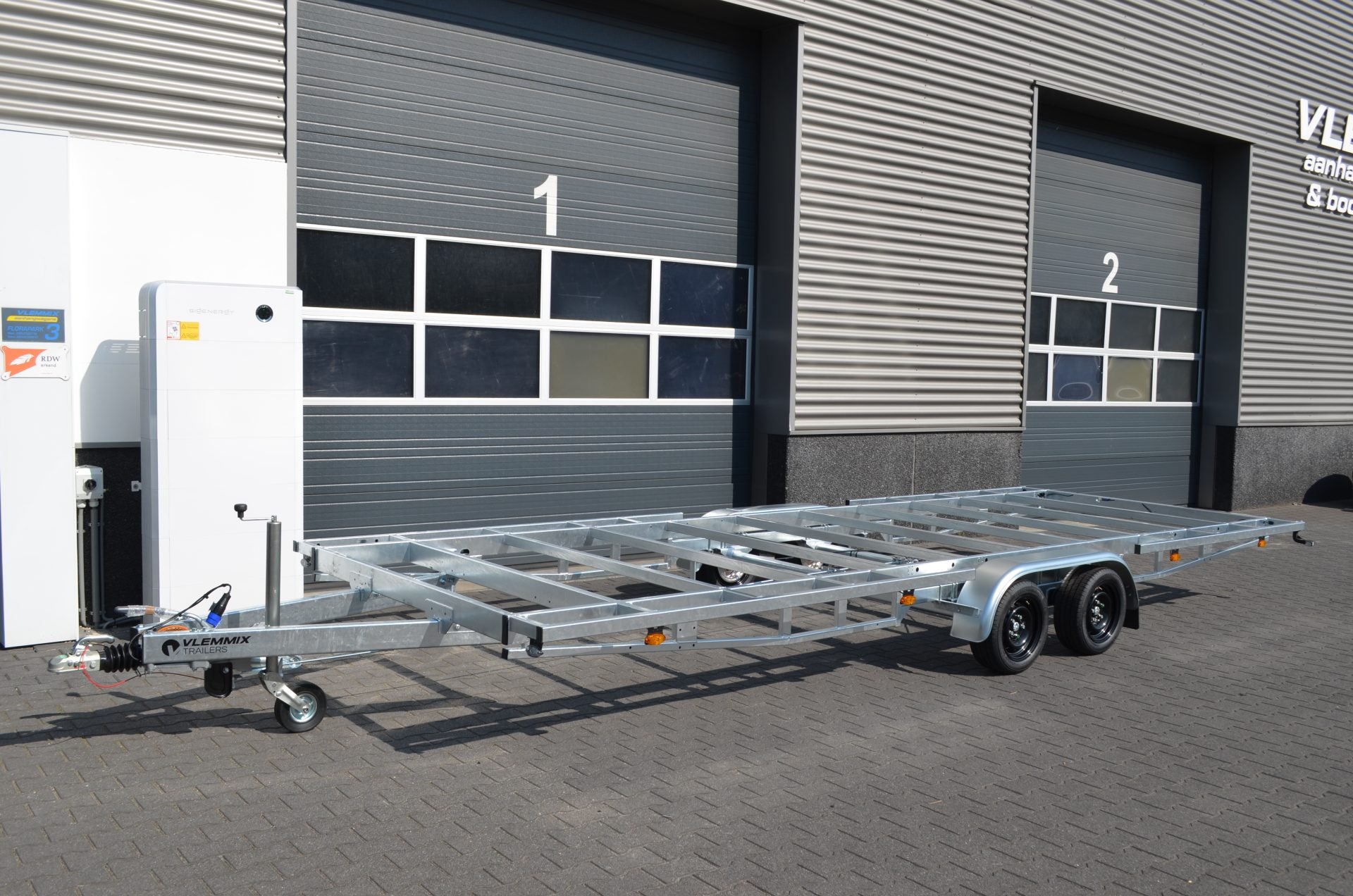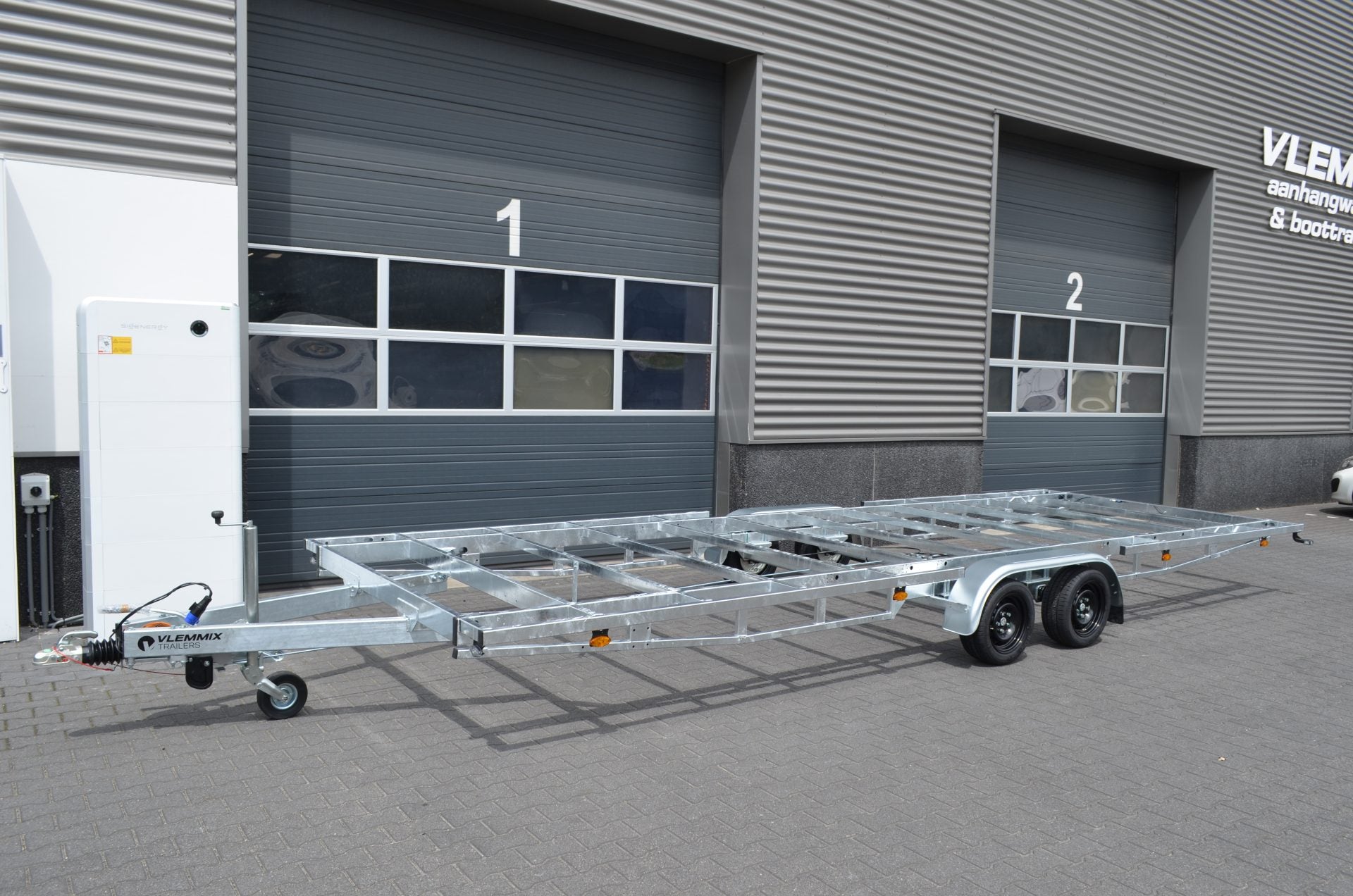
A float for the Tenerife Apoteósico Parade measures 12 meters and has a 4 kVA generator. A chirigota float in Cadiz fits on a 4-meter platform and moves 12 people with bass drum and snare. The same word, "float," hides radically different designs depending on each region's carnival tradition.
Spain has seven carnivals with their own float typology. Each sets different dimensions, safety requirements, and parade formats. Building a Tenerife float with Cadiz logic guarantees problems with municipal regulations. Doing it the other way around, too.
This article covers the seven major Spanish carnivals from the float builder's perspective: what tradition each demands, what measurements it tolerates, and what platform fits so you can correctly choose the right float trailer.
Why each carnival demands a different float
There are three factors that explain regional differences: the physical space of the route, cultural tradition, and municipal regulations.
The Coso Apoteósico in Tenerife runs along Avenida Marítima, a wide, multi-lane road. The Cadiz Carnival route passes through streets in the historic center, some less than five meters wide. That difference alone explains why 12-meter long floats fit in Tenerife, but only six fit in Cadiz.
Cultural tradition marks the rest. Cadiz builds carnival floats based on humor and social criticism: the float is a mobile stage for chirigotas and comparsas. Tenerife creates visual spectacle: drag queens, queens in 200 kg dresses, synchronized dance groups. Águilas maintains the symbolic battle between Don Carnal and Doña Cuaresma with eggshells filled with confetti. Each carnival has a distinct aesthetic code that the float accompanies.
Municipal regulations translate these codes into numbers: maximum height, width, onboard weight, electrical and insurance requirements. What follows is a detailed breakdown by carnival.
Cadiz: the chirigota on wheels
An International Tourist Interest Festival since 1980. The Grand Carnival Parade will feature nine floats in its 2025 edition, dedicated to "Carnivals of the World." The Official Carnival Group Competition (COAC) lasts three weeks and is the heart of the carnival. Comparsas are formed by a minimum of 10 and a maximum of 15 members who sing in two parts with bass drum, snare, and whistles.
Since 2024, the Municipal Delegation of Festivities and Carnival has put out tenders for the official floats of the Grand Parade with specific dimensions: 12 meters long by 4 meters wide and a maximum height of 6 meters. These are the official platforms for the main procession.
For comparsas and chirigotas that parade independently, the typical format is smaller: 4 to 6 meter platforms that fit into the streets of the historic center and do not require bidding. Focus on sound (amplified bass drum and snare), moderate lighting, and satirical decoration.
Suitable platform: 4-6 m with MMA up to 2,000 kg for independent chirigota. 12 m with MMA 3,500 kg for an official float of the Grand Parade.
Tenerife: the Coso Apoteósico
The Santa Cruz de Tenerife Carnival has been declared an International Tourist Interest Festival since 1980. The Coso Apoteósico closes the carnival every Carnival Tuesday on the Avenida Marítima in the capital. The 2026 edition is set for February 17.
The city council sets up 6,500 free chairs and stands with an additional 1,300 seats along the route. The attendance confirms the scale of the event.
The regulatory bases require specific documentation to participate with a float: a color sketch of the design, technical sheet, mandatory insurance policy, documentation on electrical, lighting, and sound installations. Without this documentation, registration will not be processed.
The typical Tenerife float is large: 10 to 12 meters long, a platform with two or three levels, a powerful generator for architectural LED lighting and high-performance speakers. It usually carries 20-40 participants and motorized elements (animated figures, mechanical wings, lifting platforms).
Suitable platform: 10-12 m with MMA 3,500 kg, tandem axle or triple axle, support for a minimum 4 kVA generator. Minimum recommended payload: 2,700 kg.
Las Palmas de Gran Canaria: the Grand Parade
The Las Palmas Carnival reached 137 floats and carriages in the Grand Parade in 2025, the highest number in recent years. The parade starts in Manuel Becerra square and ends in San Telmo, running along the main arteries of the capital. The 2025 edition brought together 120,000 people.
The uniqueness of Las Palmas is commercial: there is an official market to "go on a float" through ticket sales. Companies like Carroza Carnaval Canario sell spots with open bar, food, DJ, waiters, and security included in the ticket. The float becomes a tourist product, not just a folkloric piece.
This imposes technical demands: a reinforced non-slip floor platform, certified perimeter railings, a structure for an onboard bar service, an electrical system for powerful sound and beverage refrigeration. The safety review is stricter because paying customers are involved.
Suitable platform: 10-12 m with MMA 3,500 kg. Minimum payload 2,700 kg to support 30-40 people plus service infrastructure. Double sheet floor and reinforced railings.
Águilas: the battle procession
The Águilas Carnival, in Murcia, has been an International Tourist Interest Festival since 2015. The 2026 edition runs from January 31 to February 28. The main parades run along Avenida Juan Carlos I and Rey Carlos III street on Sunday, Monday, Tuesday, and Piñata Saturday.
The cultural symbol is the battle between Don Carnal and Doña Cuaresma, staged with allegorical floats. Another distinctive tradition is the throwing of "cascarones," empty eggshells filled with confetti that the people of Águilas prepare months in advance.
The Águilas float format is intermediate between Tenerife and Cadiz: 8-10 meters long, two levels, abundant allegorical decoration, without the electrical spectacularity of Tenerife but with more volume than the Cadiz chirigota. The National Competition of Foreign Comparsas attracts participants from all over Spain, diversifying the formats in the procession.
Suitable platform: 8-10 m with MMA 3,500 kg, tandem axle, capacity for 15-25 participants and medium-sized allegorical decoration.
Vinaròs: the rúa to the Mediterranean
The Vinaròs Carnival, in Castellón, has been a Tourist Interest Festival of the Valencian Community since 2007. King Carnestoltes leads the event, and more than 30 comparsa associations participate. In the main parades, more than 4,000 comparsistas and about 60 floats have participated, with 6,300 members counting all the comparsas.
The oldest comparsas were founded in the early 80s: La Colla (1983), Uiaaa, Tomba i Tomba, Penya València and Cherokys (all 1984). This continuous tradition explains the organizational strength of the carnival.
The typical Vinaròs float accompanies the comparsa; it does not replace it. It is a musical and decorative complement to the group that parades on foot. Medium format: 6-8 meters, annual thematic decoration, powerful sound system to accompany the comparsa's choreographies.
Suitable platform: 6-8 m with MMA 2,700-3,500 kg, tandem axle, priority in sound and movable visual elements.
Ciudad Rodrigo: the Carnival of the Bull float
The Carnival of the Bull in Ciudad Rodrigo, Salamanca, is a National Tourist Interest Festival. It combines bullfighting (bull runs, Monday's novillada) with popular carnival. The float parade starts from Plaza de Herrasti and ends in Plaza Mayor, passing through Julián Sánchez street.
The volume of floats is low compared to Mediterranean or Canarian carnivals. In the 2026 edition, only two floats paraded: Pagoda Niponóbriga (19 participants) and La Matanza Farinata (9 participants). This scale makes Ciudad Rodrigo a single-float carnival, where each "peña" (social club) builds a very elaborate piece with local humor.
The typical format is small-medium: 5-7 meters, a "peña" of 10-25 people, decoration with "mirobrigense" (from Ciudad Rodrigo) touches, a budget adjusted to a local association.
Suitable platform: 5-7 m with MMA 2,000-2,700 kg, single or tandem axle depending on final weight.
Solsona: giants and comparses
The Solsona Carnival in Catalonia has its own code. The main folkloric piece is not the float, but the giants: human figures 8 to 10 feet tall that dance to the sound of El Bufi, the carnival anthem. The comparses are uniformed groups with their own robes that organize and participate in the activities.
The Solsona Carnival Festivities Association owns the folkloric elements, giants, costumes, and official floats. The giants and "cabezudos" (big-headed figures) are the aesthetic center, not platforms with participants.
When there are floats in Solsona, they are auxiliary: they transport music, decoration, or ceremonial elements that accompany the giants. Very small format: 4-5 meters, more of a logistical function than a leading one.
Suitable platform: 4-5 m with MMA up to 1,350 kg, single axle, auxiliary function to giants.
Key Spanish carnival calendar
The calendar influences planning. The major carnivals are concentrated in a few weeks, and there is complete overlap between them.
The Cadiz Carnival lasts three weeks, usually between late January and mid-February. The COAC begins two weeks earlier with eliminations and semifinals at the Gran Teatro Falla. The Grand Parade falls on a Saturday, around February 8-10 according to the liturgical calendar.
Tenerife opens with the Queen Election Gala (dresses weighing up to 200 kg) and closes with the Coso Apoteósico on Carnival Tuesday. The 2026 edition sets the Coso for February 17.
Las Palmas closes after Tenerife, usually in March: the 2025 Grand Parade was on March 15. This chronology allows some comparsas and float companies to work first Tenerife and then Las Palmas if they have enough fleet.
Águilas concentrates between January 31 and February 28. Vinaròs occupies part of February, with main parades on Saturday and Sunday. Ciudad Rodrigo fits it into the Carnival of the Bull, which falls on Fat Sunday and Carnival Tuesday. Solsona is usually held on the weekend of Thursday Llardés with five intense days.
Summary table: measurements and regulations per carnival
|
Carnival |
Route |
Length |
Max. height |
Payload |
Axle |
|
Official Cadiz |
Historic center + Grand Parade |
12 m |
6 m |
2,700-2,800 kg |
tandem/triple |
|
Cadiz comparsa |
Historic center |
4-6 m |
4 m |
1,500 kg |
single/tandem |
|
Tenerife (Coso) |
Avenida Marítima |
10-12 m |
4 m |
2,700-2,800 kg |
tandem/triple |
|
Las Palmas |
Manuel Becerra-San Telmo |
10-12 m |
4 m |
2,700 kg |
tandem |
|
Águilas |
Av. Juan Carlos I |
8-10 m |
4 m |
2,300-2,700 kg |
tandem |
|
Vinaròs |
Urban area |
6-8 m |
4 m |
1,800-2,300 kg |
single/tandem |
|
Ciudad Rodrigo |
Herrasti-Mayor |
5-7 m |
4 m |
1,500-2,000 kg |
single |
|
Solsona |
Historic center |
4-5 m |
3 m |
750-1,350 kg |
single |
The maximum height of 4 meters is set by state transport regulations. The official Cadiz one (6 m) is an exception within the protected route of the procession, not applicable to road circulation.
How to choose the platform according to your carnival
Three questions resolve the choice.
What is the useful length of the route? A narrow street in a historic center requires a 4-6 m float. A wide avenue like Tenerife or Las Palmas allows 10-12 m. This rules out half the models before looking at the price.
How many participants and what weight onboard? 80 kg per person, plus 150-400 kg of decoration, plus electrical and sound equipment. A float with 25 participants, a generator, and an onboard bar (Las Palmas) exceeds 2,500 kg, requires a minimum payload of 2,700 kg, and a reinforced tandem axle platform.
Are there special municipal regulations? Tenerife requires detailed documentation (sketch, technical sheet, policy, electrical). Cadiz tenders for official platforms with fixed dimensions. Solsona prioritizes an auxiliary base for giants. Before buying, download the previous year's regulations and verify that the platform meets the specific requirements of the carnival you are participating in.
For all formats, the non-negotiable points are the same: European homologation with a valid ITV card, registration in the buyer's name, hot-dip galvanization to withstand coastal areas (Cadiz, Tenerife, Las Palmas, Águilas, Vinaròs are all coastal or near the sea) and a regulatory 1 m railing if it carries participants onboard.
Commissions that combine the Three Kings' Parade (January 5) with Carnival (February or March) depend on the same team and the same platform. The dual function requires a detachable model: sides that are removed for Carnival (more visible height) and put on for the Three Kings (more stable decoration). The Detachable Platform model covers both uses without double investment.
Frequently asked questions
What is the largest float allowed at carnival in Spain?
State transport regulations set the limit at 12 meters in length, 2.55 m in width, and 4 m in height for the vehicle and trailer combined. Above that requires special authorized transport. The exception is the official floats of the Cadiz Grand Parade, where the city council allows up to 6 m in height within the closed route.
Do I need the same license for all carnivals?
Yes. DGT regulations are national. A Class B license if the combined weight does not exceed 4,250 kg, B96 between 3,500 and 4,250 kg, B+E between 4,250 and 7,000 kg. The difference between carnivals is only the typical float size, not the driving regulations.
How long does it take to manufacture a platform in time for the February Carnival?
The average manufacturing time for an approved platform in stock is 2-3 weeks. For Carnival, the order must be finalized by November at the latest. Specific configurations can take 4-6 weeks.
Can I use the same platform for Carnival and for the Three Kings' Parade?
Yes, they are the same trailer categories. Festival committees usually make the platform profitable by using it in January (Three Kings' Parade) and February (Carnival), plus patron saint festivals in summer. The Flatbed Platform and Detachable Platform models are designed for reuse.
Which carnival requires more documentation from participants?
Santa Cruz de Tenerife. The rules for the Coso Apoteósico require a color sketch, a technical sheet, mandatory insurance policy, and detailed documentation of the electrical, lighting, and sound installation. It is the most demanding filter on the national calendar.
Are there municipal subsidies for building floats?
Yes, in many municipalities. Cadiz, Las Palmas, Tenerife, Águilas, and Vinaròs offer varying lines of aid to registered comparsas and peñas. Application deadlines usually open between September and November of the previous year. It is advisable to consult the specific call for each locality.
Your float, your platform
Each carnival calls for its own float, but all share the same basic technical requirement: an approved, lightweight platform, hot-dip galvanized and with real payload. Remolque.es platforms for parades and floats are delivered with a valid ITV card, registration in the buyer's name, 3 mm hot-dip galvanized steel, and a two-year warranty, in lengths from 4 to 12 meters with MMA up to 3,500 kg.
A 6 m platform with a tare weight of 570 kg frees up between 80 and 330 kg of payload compared to the European competition's standard of 650-900 kg. Those kilos can be an additional performer, a more powerful sound system, or a better-sized generator set.