
Quick Summary
- A 20-foot container is 6.10 m long and weighs about 2.2 tons empty; a 40-foot container is 12.19 m long and 3.8 tons.
- They are inexpensive, robust, and movable modules, ideal for housing, offices, storage, workshops, or businesses.
- Any habitable use requires a building permit from the city council and compliance with the CTE; regulations vary by region.
- The first step of any project is to transport the container to your plot.
- To move it, you need a container trailer sized for its dimensions and weight.
A 20-foot shipping container is 6.10 meters long and weighs about 2.2 tons empty, with the capacity to support up to 22 tons of cargo. This combination of standard size, robustness, and low price is why they have moved from the port to the backyard. Today, they are transformed into homes, offices, swimming pools, or bars with very little construction work. In this guide, you will see 10 creative uses that truly work, what to consider for each, and the step that almost no one plans for: how to get the container to your land.
Before the ideas, a key point that defines the entire project. A container seems "just" transportable, but it weighs tons and is six or twelve meters long. Moving it from the port or seller to your plot is the first logistical task, and it determines what kind of trailer you need and what license it requires. We will discuss this in detail at the end, but keep it in mind as you choose your idea, because without solving the transportation, no project can begin.
Why a container is so versatile
Three features explain the boom. The first is standardization: all containers have the same dimensions (2.44 m wide, 2.59 m high, or 2.89 m in High Cube version), so any design is repeatable and stackable. The second is strength: they are built to withstand storms on the high seas and be stacked loaded, so as a structure, they can withstand almost anything.
The third is cost and speed. Starting with an already built steel box is much cheaper and faster than building from scratch. In return, it requires good insulation (steel transfers heat and cold) and, for habitable uses, a license. With these three features in mind, here are the 10 ideas.
1. Modular home or studio

The star use. A 40-foot High Cube container offers about 28 m² of interior space, enough for a complete studio, and several can be combined for a larger dwelling. It is cheaper than traditional construction and can be assembled in weeks.
The critical point is thermal insulation and licensing. A container house fixed to the ground is considered new construction and requires an architect's project and a municipal license. Once that is resolved, it is a modern and durable home. The great advantage over traditional construction is predictability: the module arrives almost finished, the timeframe is weeks, and the budget is much less likely to spiral out of control. That's why it's the favorite option for those who want a second home or an independent studio without getting involved in a years-long construction project.
2. Office or study in the garden

For remote workers, a 20-foot container converted into an office separates home from work without renting anything. It fits in a garden or a plot and is delivered almost ready.
It is one of the uses with the least regulatory friction when not permanently anchored, although it is advisable to check with your city council. Insulation, a good window, and electricity, and you have an office.
3. Ready-to-use swimming pool

Container pools have become fashionable. A 20-foot container is waterproofed, a treatment plant is added, and the result is a 6-meter pool that is transported already assembled and installed in one day.
The advantage is the speed compared to a built-in pool: it is installed in one day, while an in-ground pool involves weeks of earthmoving. The challenge is transportation and placement, because it arrives whole and weighs a lot. And if you ever move, a container pool can be emptied, loaded, and taken with you, something impossible with an in-ground pool. It is the favorite option for those who rent the plot or do not want to commit the land to a permanent construction.
4. Bar, food corner, or catering booth
A container converted into a bar, cafeteria, or food corner is common at festivals, beaches, and trendy venues. It is transformed, decorated, transported to the site, and opened. When the season ends, it is moved to another location.
Its great asset is mobility and visual impact. For hospitality, you will need activity licenses, but the basic structure is provided by the container at a minimal cost.
5. Storage, locker, or construction site depot
The most practical use and the closest to its origin. A container is a secure and waterproof storage unit for tools, furniture, stock, or construction materials. Construction companies use it as a mobile depot on temporary sites, precisely because it can be easily moved from one place to another.
It requires almost no adaptation: with ventilation and some shelves, it's ready. It's the idea with the lowest investment and the quickest return. In addition, its original locking system with bars and a padlock offers security that is difficult to match with a construction shed or a conventional storage unit, making it ideal for storing expensive tools or valuable stock on an unsupervised plot.
6. Workshop or garage

A 20 or 40-foot container can be converted into a mechanical workshop, carpentry shop, or enclosed garage. The steel can withstand impacts, grease, and heavy tools without damage, and the original door provides a robust and secure closure.
If you're going to work inside for many hours, add insulation, light, and ventilation. As a robust and lockable workspace, few options are as cost-effective. And if your business grows, you can move the workshop to another location or add a second container, something unthinkable with a traditional workshop. For professionals who move between construction sites every few months, a mobile workshop that can be transported loaded with tools is a huge advantage.
7. Greenhouse, grow room, or technical room

With translucent panels or a controlled indoor cultivation system, a container can be transformed into a greenhouse or grow room isolated from the outside. It also serves as a technical room for machinery, pumps, or installations that need to be protected and enclosed.
Its enclosed and sealed nature allows for temperature and humidity control. This idea is widely used in urban agriculture and in operations that require a mobile technical module.
8. Tourist accommodation or glamping

In rural tourism and glamping, containers function as charming accommodation modules: one or two well-insulated boxes, with large windows and a terrace, provide a complete tourist apartment. They can be easily replicated to set up several identical units.
The investment per unit is low, and the result is popular on social media. As with housing, if it's habitable and anchored to the ground, it requires a license and compliance with the CTE. The great advantage for a tourist business is that you can start with one module and expand at your own pace as bookings fill up, without committing to a large construction project all at once. Each additional container is another accommodation unit, replicable and with the same known cost.
9. Pop-up store or temporary shop
Brands set up pop-up stores in containers for campaigns and events. They are branded, illuminated, transported to a square or shopping center, and generate buzz for a few weeks. After the event, they are removed without leaving any construction behind.
The key is brand impact and flexibility. A container provides a lockable and transportable commercial space that no conventional booth can match.
10. Shelter, country cabin, or tool shed
On a property, a container is the perfect tool shed, shelter, or cabin: lockable, weather-resistant, and intruder-proof. It stores everything from agricultural machinery to firewood without anything getting wet or damaged.
It's the rural version of a warehouse, and one of the most in-demand for plots and farms. Robust, dry, and, above all, easy to transport to where you need it.
The step nobody plans for: transporting the container
All these ideas share the same starting point: the container has to get to your plot. And that's where many people get stuck, because an empty 20-foot container weighs about 2.2 tons and is over 6 meters long. It's not something you can move on just any trailer.
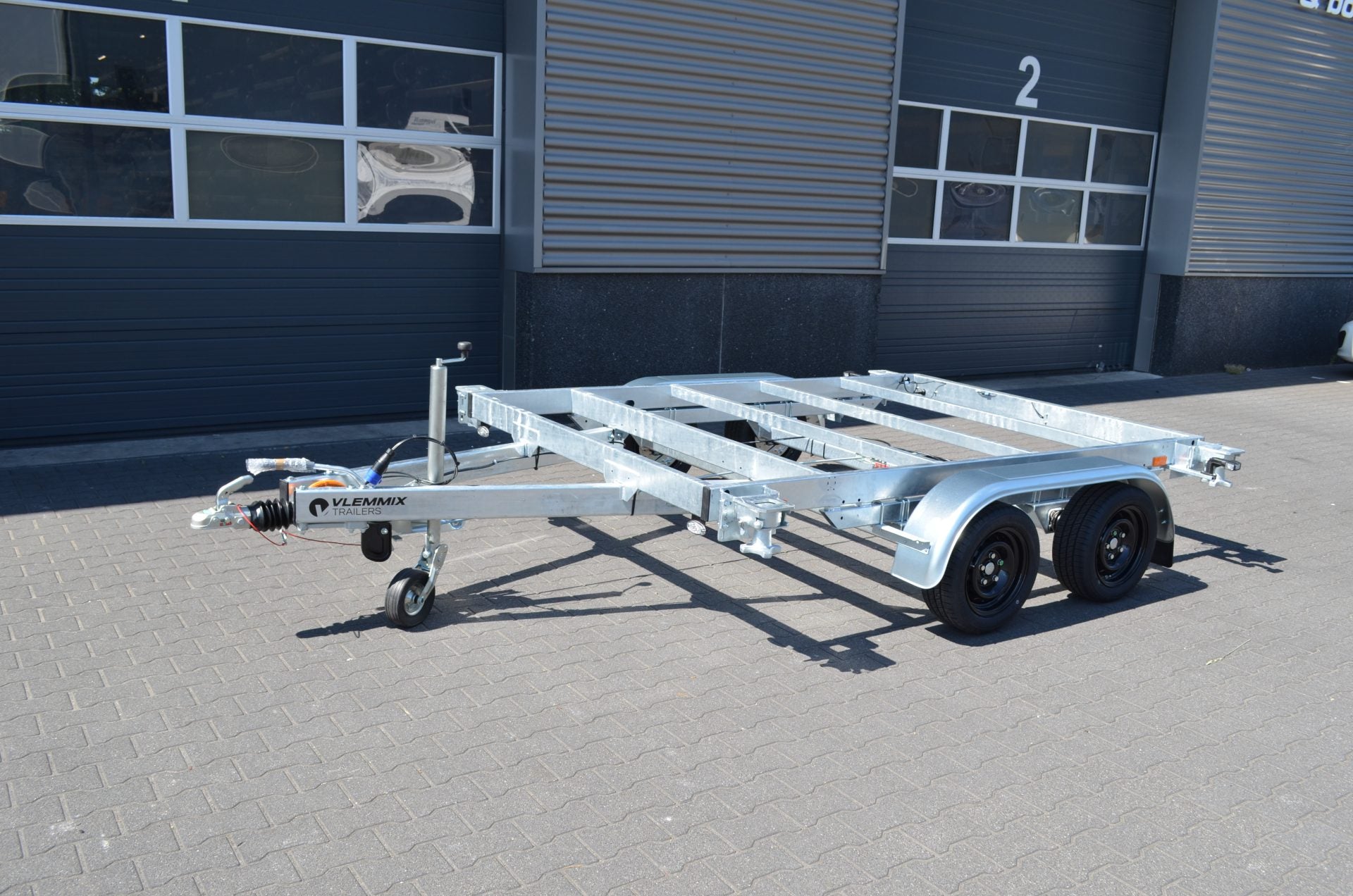
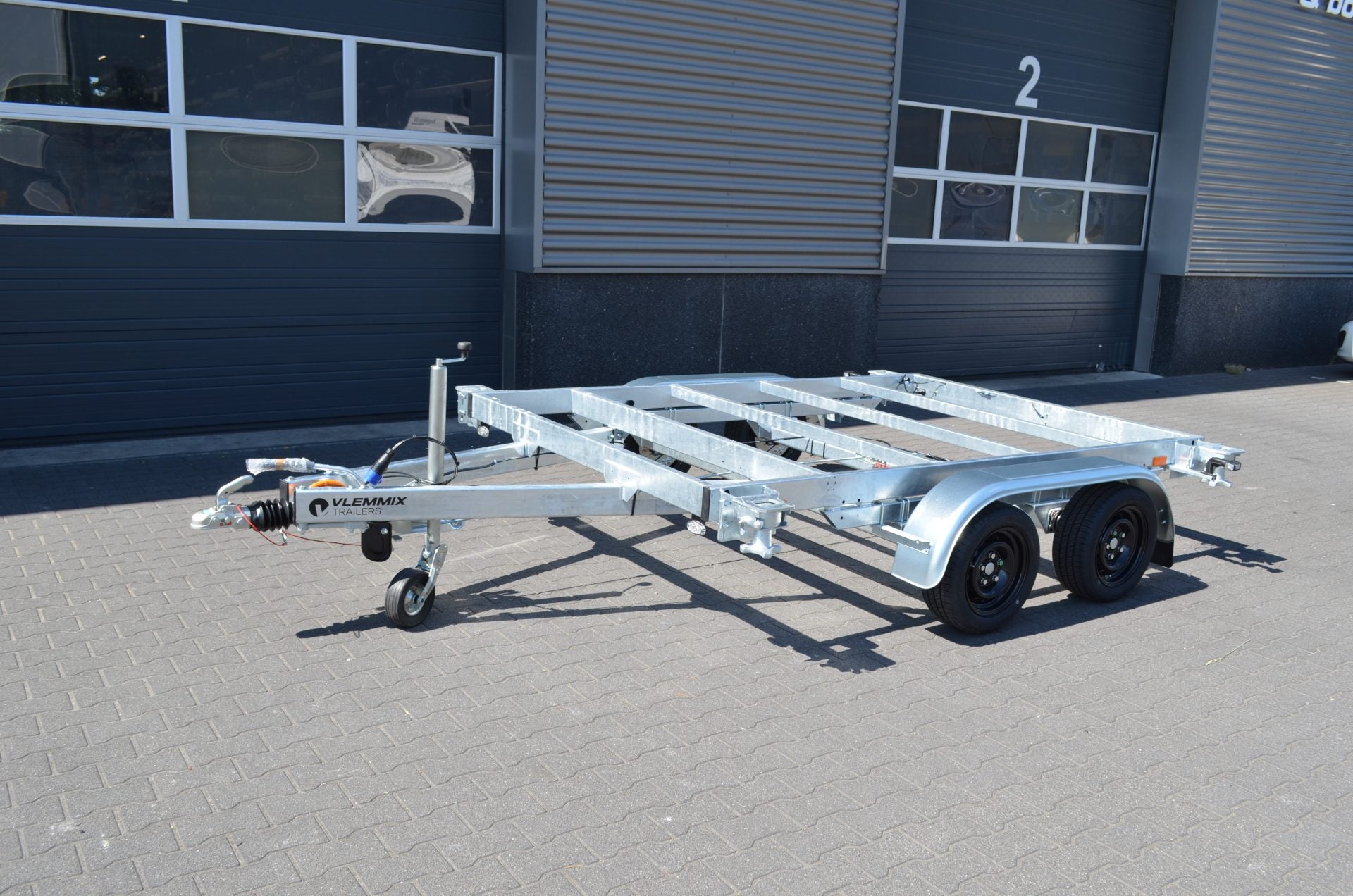
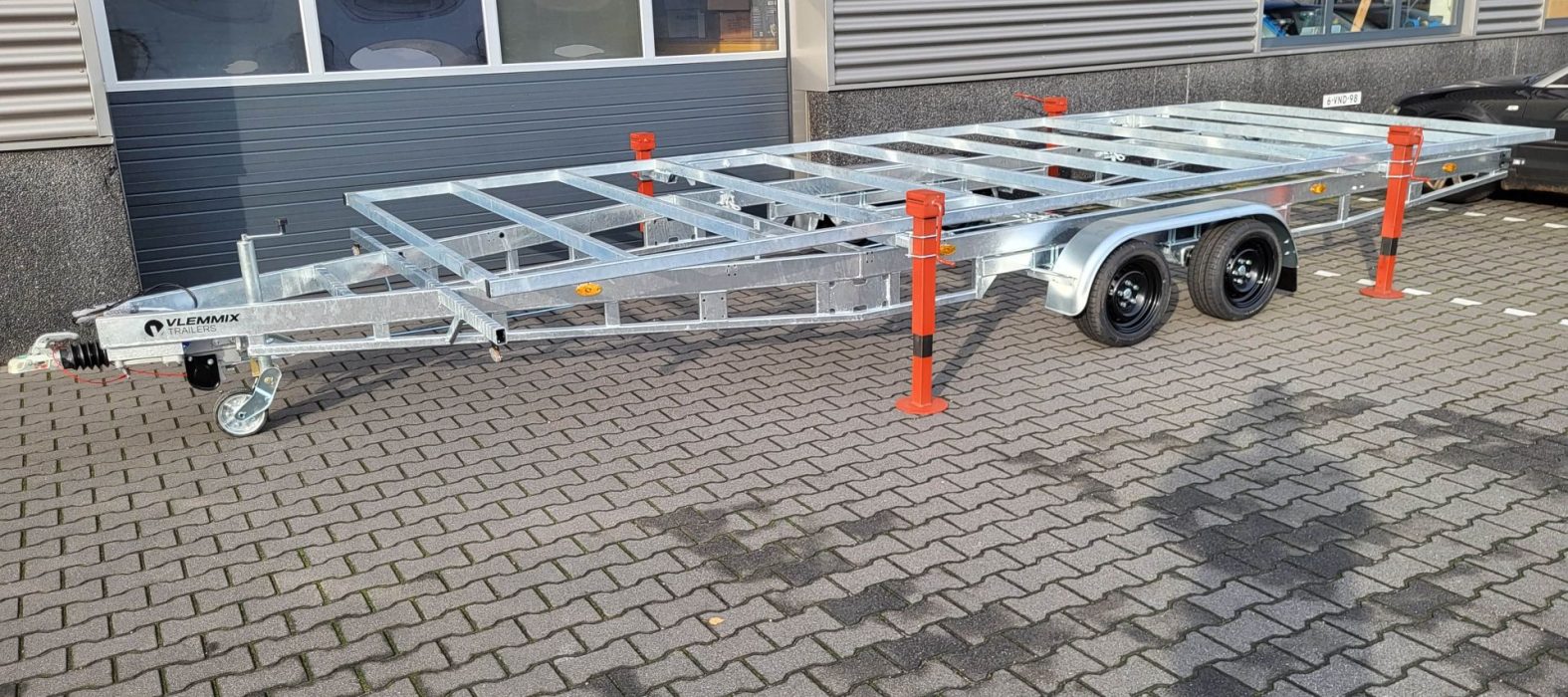
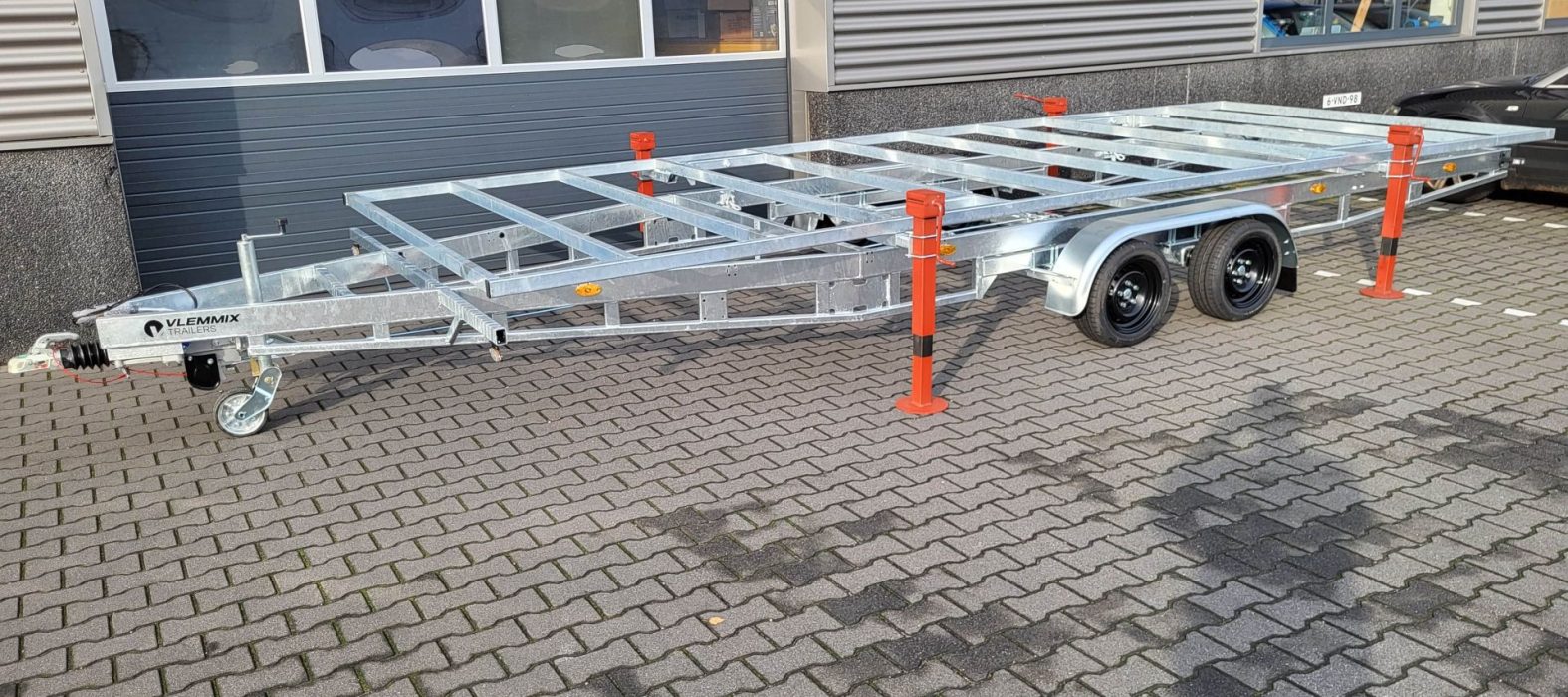
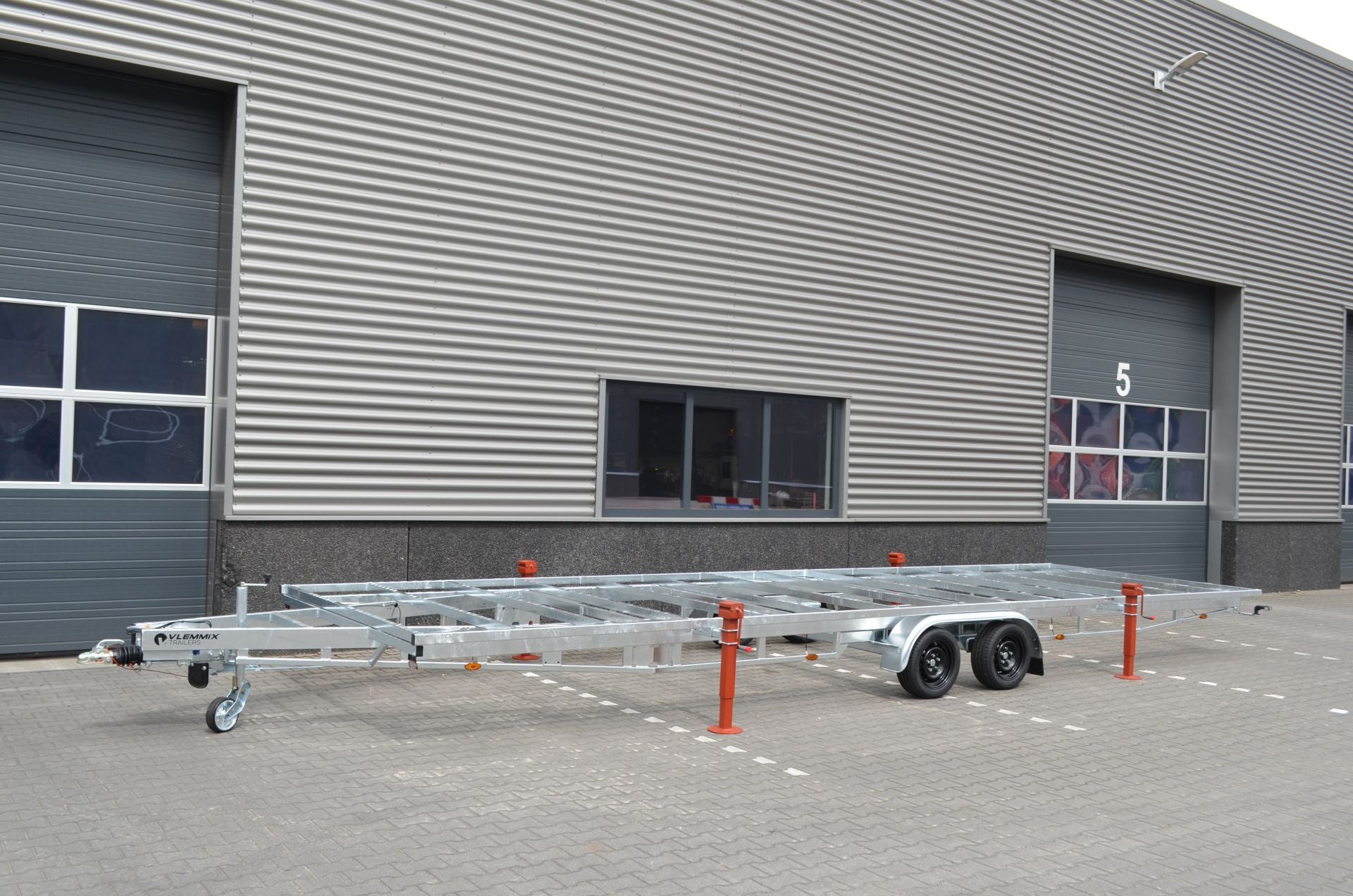
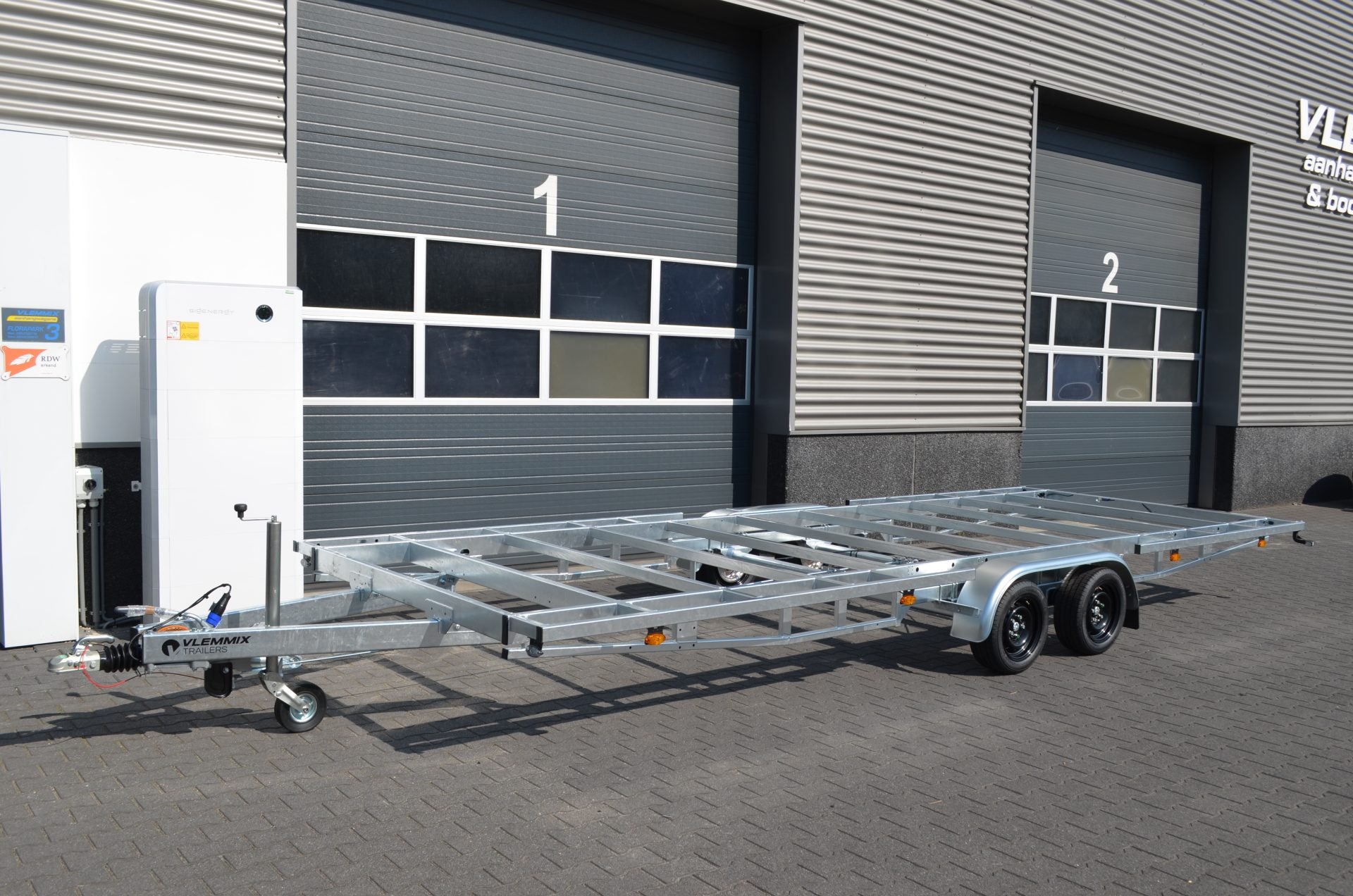
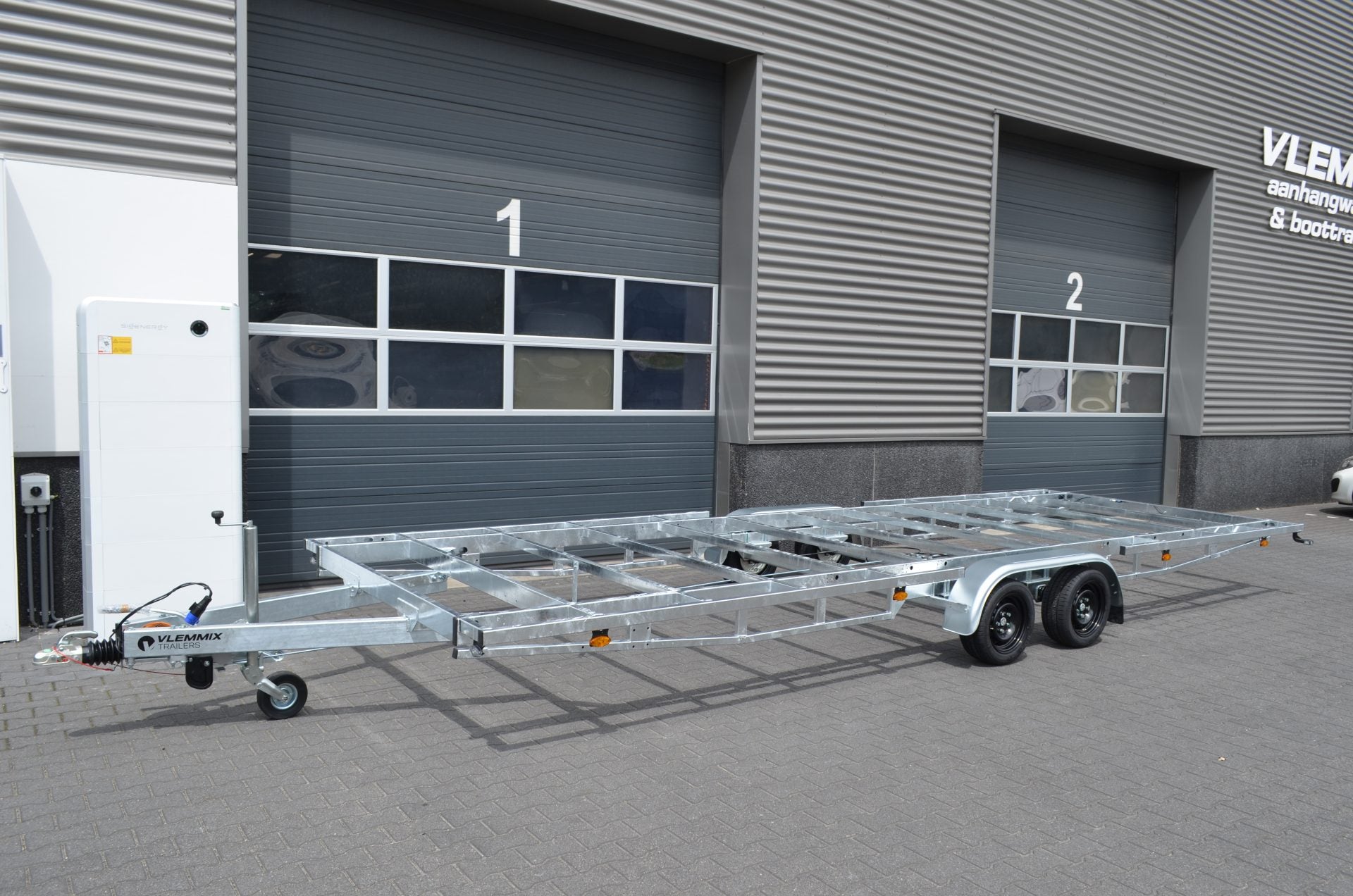
To transport it, you need a container trailer sized for its dimensions and weight. If you're moving a 10-foot container, the natural equipment is a 10-foot container trailer; for the most common format, the 20-foot container trailer is designed for that length and load. Choosing a trailer below the actual weight of the container is the mistake that paralyzes most projects before they even start.
Weight is the deciding factor in this decision. An empty container already exceeds two tons, and if you move it with something inside, you add more. It's advisable to carefully calculate the maximum mass and payload before buying the trailer, as explained in the guide on GVM and payload without overdoing it or getting fined. Getting this wrong means you won't be able to legally move your container.
That weight also determines what license you need. Towing a loaded trailer with a container can exceed what a normal B license allows and require a B+E, depending on the total mass of the combination. Before getting behind the wheel, review what permit you need to drive a trailer according to the load, because driving without the proper license turns a simple transfer into a serious fine.
It's not just a matter of weight either. A container is long and bulky, so you have to respect the limits of what can overhang a trailer, a topic we detail in the guide on legal load dimensions. And before setting off, secure it well: the guide on how to load a trailer correctly fully applies to such a heavy load.
What to consider before getting started
Beyond transportation, there are three common obstacles to anticipate. The first is the license. Any habitable use (housing, fixed office, tourist accommodation) is considered construction and requires a municipal license, a technical project, and compliance with the Technical Building Code (CTE). Regulations vary significantly between autonomous communities, so confirm with your local council before spending money.
The second is insulation. Steel mercilessly transmits heat and cold, so an uninsulated container is an oven in summer and a refrigerator in winter. Budget for insulation from the outset for any use where people will be present.
The third is weight and access. Before buying the container, check that your vehicle and trailer can move it and that there is access to unload it on the plot. If you also need to transport heavy machinery or materials for renovation, the starting point is the category of cargo trailers. Once these three points are resolved, the project will run smoothly.
Frequently Asked Questions
How much does a shipping container weigh and measure?
A 20-foot container is 6.10 m long, 2.44 m wide, and 2.59 m high, weighing about 2.2 tons empty. A 40-foot container is 12.19 m long and weighs around 3.8 tons. The High Cube version increases the height to 2.89 m. These dimensions determine the trailer you need.
Do I need a license to put a container on my land?
For habitable or fixed uses, yes: a structure anchored to the ground is considered new construction and requires a municipal license, a technical project, and compliance with the CTE. For a simple unanchored storage unit, the requirements are fewer, but regulations vary by municipality and region. Confirm with your local council.
How do I transport a container to my plot?
With a container trailer appropriate for the size (10 or 20 feet) and weight of the container. An empty 20-foot container exceeds 2 tons, so you need to calculate the maximum mass and payload of your vehicle combination before moving it.
Which container use is the cheapest and fastest?
A storage unit or shed. It requires almost no adaptation: with ventilation and some shelves, it's functional, and it inherently leverages the robustness and closure of the container. It's the idea that pays for itself the quickest.
Can a container be used for year-round living?
Yes, provided it is well-insulated and complies with the CTE. Steel alone does not insulate, so comfort depends on the thermal and acoustic insulation you add. With a good design, a container house is perfectly habitable all year round.
Do you have your project clear and just need to get the container home? Check out our container trailers and we'll help you choose based on size and weight, no obligation.