
Quick summary
- Sun and heat degrade gelcoat, upholstery, plastics, and electronics faster than you think.
- The best defense is shade: a good cover or bimini and, when not sailing, store it covered.
- Wax the gelcoat to protect it from UV rays and clean off salt after each trip.
- Ventilate the interior to prevent extreme heat, mold, and musty smells.
- Dry and covered storage between trips extends the life of the entire boat.
Summer is for sailing, but it's also when the boat suffers the most while stationary. Sun and heat are as damaging as salt: they oxidize the gelcoat, dry out upholstery, yellow plastics, and cook electronics. A neglected boat in the sun ages in a few seasons as much as a protected one takes years to show. This guide compiles the measures that truly work to keep your boat in good condition through the summer, both when sailing and when moored or stored.
The overarching idea is simple: shade and cleanliness. Reducing direct sun exposure and removing salt after each use solves most of the problem. The rest are specific care tips for each material, which we will see below, ordered from most impactful to most specific.
Why sun and heat damage your boat
Ultraviolet radiation is the main enemy. It attacks the gelcoat, causing it to lose its shine and become porous and dull, and degrades plastics, rubber, and fabrics, making them brittle and fading their color. This is not just cosmetic damage: oxidized gelcoat protects the fiberglass less effectively and opens the door to bigger problems.
Heat adds its share. Inside a closed boat exposed to the sun, the temperature can easily exceed 50 degrees Celsius, accelerating the degradation of upholstery, adhesives, and electronic equipment, in addition to deforming poorly ventilated plastic parts. The combination of heat and humidity in an unventilated interior is also the perfect breeding ground for mold. And salt, which dries quickly on hot surfaces in summer, intensifies its attack on hardware and gelcoat.
Shade is the best protection
If you could only do one thing, it would be to shade your boat. Every hour the hull and deck spend covered is time they don't age in the sun. That's why a cover or bimini is not a luxury, but the most cost-effective investment in protection.
A good breathable cover protects the boat when not in use, shields it from the sun, and allows the interior to breathe, preventing moisture and heat buildup. For the helm area and cockpit, a bimini or sunshade keeps the sun at bay while sailing or at anchor. Avoid completely sealed plastics, as they trap heat and condensation, just as we explained when discussing covering the boat for winter storage: the cover needs to breathe.
When the boat is moored or at anchor for many hours in the sun, the shade from the bimini makes an enormous difference in the interior temperature and the life of the upholstery. And when you're not sailing all week, storing it covered, and even better, under cover, is what best prolongs its good appearance.
Invest in a quality cover and bimini. Cheap ones degrade in one or two seasons, fade, and stop protecting, so in the long run, they are expensive. A good, well-fitting, breathable cover protects the boat for years and pays for itself in gelcoat and upholstery that doesn't need restoration.
Care for the gelcoat: waxing and cleaning
The gelcoat is the skin of the boat and the first thing the sun punishes. Protecting it is simple and inexpensive. Wash it with fresh water after each trip to remove salt, which attacks faster on hot surfaces, and dry it to prevent marks.
A couple of times per season, apply a wax or sealant with UV filter. Wax creates a barrier that repels water and slows down sun-induced oxidation, while also maintaining its shine. If the gelcoat is already dull, polishing restores the shine before waxing, but don't over-polish as it thins the layer. Keeping the gelcoat protected is not just aesthetic: a healthy hull ages better and retains its value, just like when you protect it from osmosis below the waterline.
Upholstery, plastics, and teak
Fabrics and upholstery suffer equally from sun and salt. Clean them with specific products, dry them, and if possible, store them in the shade or remove cushions when the boat is stationary for a long time. UV-filter protectors for marine vinyl and fabrics significantly extend their lifespan.
Plastics and plexiglass (windows, covers, instruments) yellow and become brittle with years of sun exposure. Clean them with non-abrasive products and protect them with specific treatments; never use ammonia-based glass cleaners on plexiglass, as it causes cracking. If your boat has teak, the sun grays it: it requires its own maintenance with oils or treatments depending on the desired finish.
The common rule for all these materials is the same: freshwater cleaning, drying, and shade. Three simple actions that, repeated, make the difference between a boat that looks new at ten years old and one that looks twice its age.
There's a detail many overlook: stainless steel fittings also suffer in summer. The combination of dry salt and sun promotes superficial rust stains on stanchions, cleats, and hardware. A freshwater rinse and occasional polishing keep them shiny. And rubber seals and gaskets on hatches and portholes dry out in the sun; a specific product for rubber prevents them from cracking and letting in water with the first heavy rain of autumn.
Electronics, batteries, and engine in summer
Heat spares no electronic equipment. A plotter or radio cooking in the sun all day shortens its lifespan. Protect the console with a cover when the boat is stationary and, if possible, store portable equipment in the shade. Batteries also suffer from extreme heat, which accelerates their wear, so monitor their condition and ventilation in summer.
The engine works harder with hot water and air. Check that the cooling system is sufficient, that the tell-tale is expelling a good stream, and that there is no overheating, especially during the first strong outings of summer. Up-to-date maintenance, like the one you review in the boat's commissioning, is what prevents scares in the middle of summer.
Ventilate the interior
A closed boat in the sun becomes an oven, and that heat combined with ambient humidity breeds mold and odors. The solution is ventilation. Leave air inlets open, open hatches when the boat is supervised, or install grilles and solar ventilators that move air without consuming battery power.
When you close it for days, leave dehumidifiers or anti-humidity bags and cabinet doors ajar, just like in winter storage. A ventilated interior stays cool, dry, and free of that musty smell that is so hard to get rid of. The difference between opening the boat in August and finding it pleasant or stifling is almost entirely due to ventilation.
Solar ventilators are a very convenient solution for moored boats: they extract hot air from the interior all day long without touching the battery, and maintain a constant current that prevents mold. For a few euros of initial investment, they make a big difference in boats that spend days or weeks closed in the sun. Always combine them with an air inlet for the flow to truly work.
Store it dry and covered between trips
The ultimate protection against sun, heat, and salt is not to leave the boat exposed when you're not sailing. A boat stored dry and covered at home, under a tarp, or in a shed, hardly ages between trips: no direct sun on the gelcoat, no accumulated heat inside, no salt drying on it.
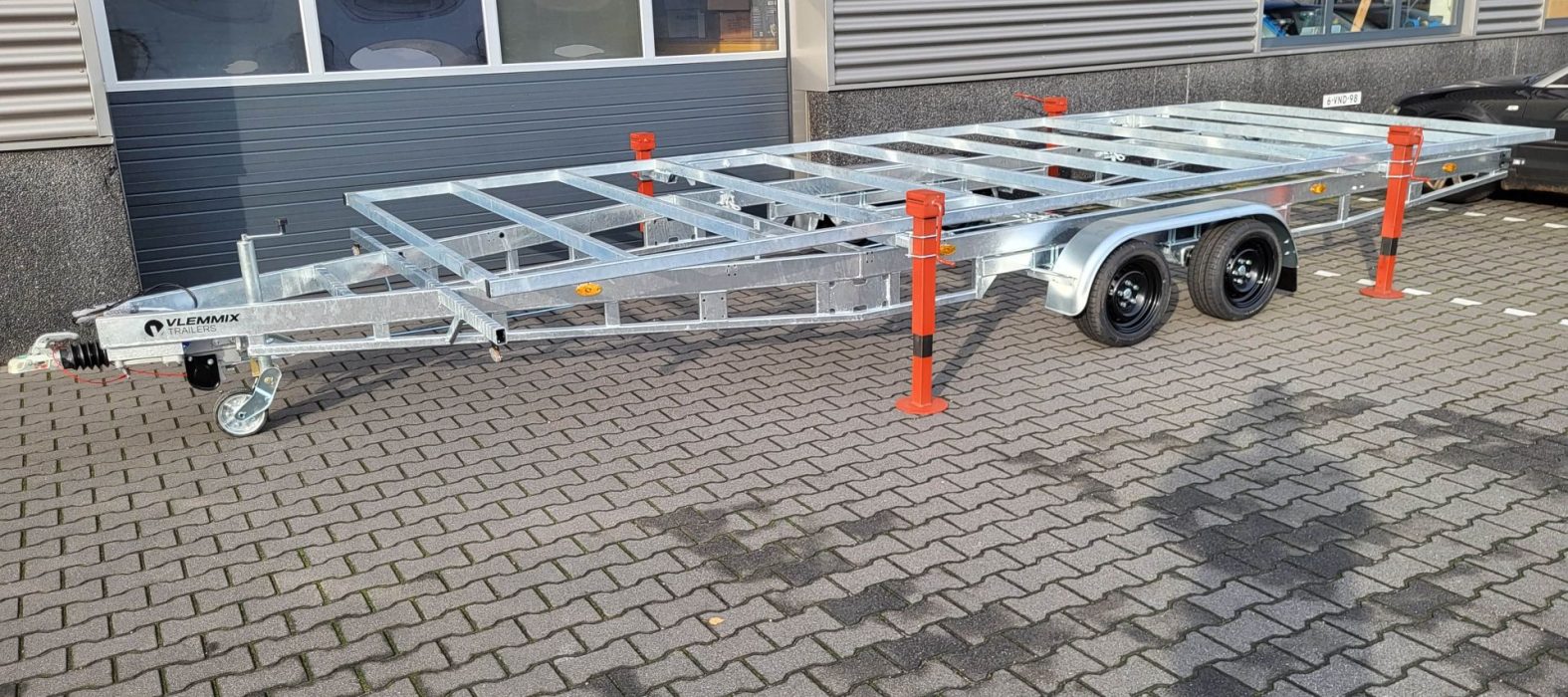
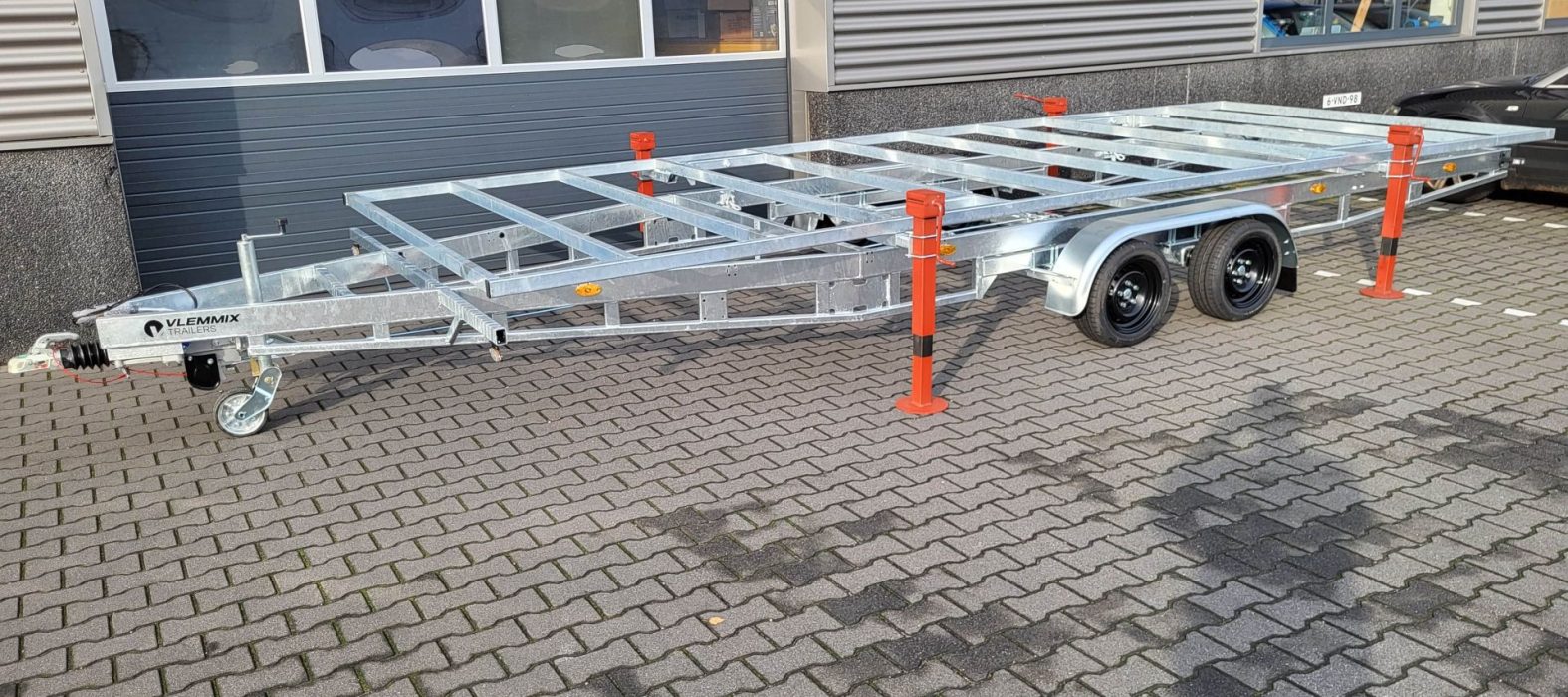
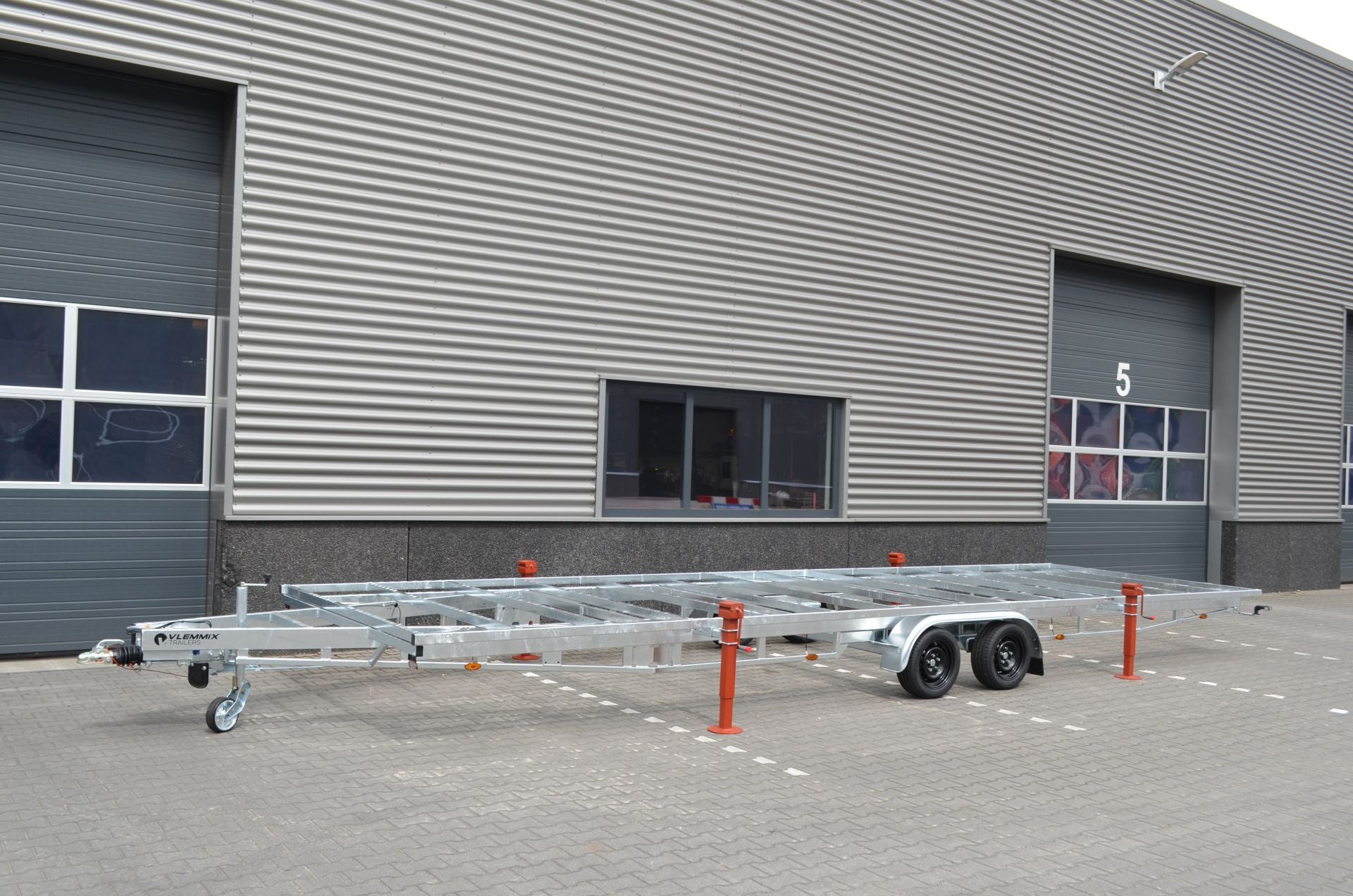
For a trailerable boat, this is perfectly possible. You store it on a stand on your property, covered, and launch it when you go boating. This is the same approach that protects the hull all year round, and the equipment to do so includes boat stands and boat storage trailers. Options by length are in the nautical trailers category.
Storing it this way not only protects it: it saves you mooring fees and keeps the boat accessible for easy maintenance. Compared to a boat that spends the summer cooking at a dock, one that rests covered between trips better preserves its appearance and value, as it affects the overall costs we saw in how much it costs to own a powerboat in Spain.
How much does it cost to protect your boat from the sun?
Protecting your boat from the sun is one of the most cost-effective aspects of marine maintenance, because it costs little and prevents expensive repairs. A quality cover and bimini are the main investment, but they last for years. UV-filter wax, upholstery protectors, and cleaning products are minor expenses and yield great returns.
Compare that with the cost of what you avoid. Restoring oxidized gelcoat, re-upholstering sun-dried cockpit cushions, or replacing a cooked screen cost significantly more than years of waxing and covers. Sun protection is, above all, a way to prevent the boat from losing value, a factor that contributes to the overall cost of owning a vessel. Those who take care of these details will sell their boat better in the future.
Common mistakes in summer
The first is leaving the boat uncovered in the sun week after week. It's the fastest way to age gelcoat and upholstery. A breathable cover is inexpensive and makes a huge difference.
The second is not removing salt after sailing. On hot surfaces, salt attacks faster, so a freshwater rinse after each outing is one of the most cost-effective things you can do.
The third is closing the boat completely tightly. Without ventilation, heat and humidity breed mold and odors. Let the interior breathe whenever you can.
The fourth is forgetting electronics in the sun. Screens and equipment suffer from heat; a simple cover extends their life by several years. And a fifth, easily avoidable: never apply wax or protectors to a hot hull in the sun, as they dry quickly and leave marks. Always work in the shade and on a cool surface.
Frequently Asked Questions
What damages the boat most in summer?
Ultraviolet radiation from the sun, which oxidizes the gelcoat and degrades plastics and fabrics, along with accumulated heat inside and salt. The best defense is shade (cover or bimini) and cleaning salt with fresh water after each trip.
How often should the gelcoat be waxed?
A couple of times per season with a wax or sealant with UV filter is usually sufficient. If the gelcoat is dull, polish it before waxing, but don't over-polish, as it thins the layer. Waxing slows oxidation and maintains shine.
How can I prevent mold and musty smells?
By ventilating the interior. Leave air inlets, use grilles or solar ventilators, and place dehumidifiers when closing the boat for several days. Mold appears where there is heat, humidity, and stagnant air.
Does the sun damage the boat even when it's in the water?
Yes. The deck gelcoat, upholstery, plastics, and electronics are exposed to the sun wherever they are. In fact, a boat moored in the sun all day suffers a lot on top, even if the hull is cool in the water. That's why a bimini and covers are as important afloat as they are on land.
Should cushions and upholstery be removed?
If the boat is going to be stationary in the sun for a long time, it helps to store cushions in the shade or remove them. This reduces their exposure to UV rays and humidity, and significantly extends their lifespan.
Is storing it covered the best protection?
Yes. A boat stored dry and covered between trips hardly suffers from sun, heat, or salt. For a trailerable boat, storing it at home on a stand and covered is the most effective way to preserve it, in addition to saving on mooring fees.
Do you want to protect your boat from the sun by storing it dry and covered at home? Check out our boat trailers and we'll help you choose the right stand for your length, without obligation.