
Quick Summary
- The first outing typically causes the most breakdowns and scares because the boat has been idle for months.
- Check five areas: documentation, safety, engine, hull and systems, and weather and plan.
- The most common failure is the battery; the most dangerous is setting sail without proper safety equipment.
- Make the first outing short and close to port: it's the real test of the boat's readiness.
- Notify someone of your navigation plan and keep your phone charged, in case something was overlooked.
The first outing of the year is exciting and, at the same time, the most prone to scares. The boat has been idle for months, the memory of where everything is has faded, and small oversights accumulate. This checklist groups the 20 checks that prevent 90% of problems into five blocks: documentation, safety, engine, hull and systems, and weather. Review it at home beforehand, and on the day of the season's inaugural trip, all you'll have to do is enjoy yourself.
The logic of the list is simple: it arranges the checks from what can lead to a fine to what can leave you stranded or in danger. Print it or save it on your phone and check it off block by block. The first time will take you a morning; once it becomes routine, it will take a short while.
If you've properly prepared your boat for the season, much of this will already be resolved. This checklist is the last safety net before casting off, the review that confirms nothing important has been left ashore or unchecked.
Block 1: Documentation and Permits
The first thing they might ask for in an inspection and the easiest to forget. Before you leave, check that you have and that they are valid:
- License/Qualification appropriate for the area you will be navigating, valid and on board if required.
- Current boat insurance, with the receipt for the current year.
- Boat documentation: registration certificate or navigation permit and up-to-date ITB (Technical Inspection).
- Captain's ID or identification document.
Your qualification dictates how far you can go, so if you have doubts about which qualification you need, review the guide on which qualification you need to navigate. Renewing expired documents on time prevents an inspection from ruining your day.
A trick that saves trouble: keep a digital copy of all documentation on your phone, in addition to the originals on board. If a paper gets wet or you forget it, having the photo handy resolves many situations. And check dates with plenty of time: renewing an insurance policy or an expired ITB the day before you leave is rarely possible, and without them, the boat should not sail.
Block 2: Safety Equipment
The block that can truly save your life and the one that generates the most penalties for expired material. Check:
- Life jackets: one per person, in the correct size for each crew member, and specific ones if you have children.
- Flares and signals within date (they usually expire after three years).
- Fire extinguisher with correct pressure and up-to-date inspection.
- Bailing equipment (bilge pump and bucket) operational.
- First aid kit, lights, and VHF radio working.
Mandatory equipment depends on your navigation zone, so confirm the exact list in the guide to mandatory safety equipment by zone. Checking expiry dates at home, not on the pontoon, makes all the difference.
Beyond compliance, consider the purpose of each item. Accessible life jackets that fit well are what truly save lives in a fall overboard; flares and the VHF are what locate you if something goes wrong. It's not enough to just have them: every crew member should know where they are and how to use them. Take two minutes before casting off to show those with you where the life jackets and fire extinguisher are. In an emergency, there's no time to search.
Block 3: Engine and Fuel
The engine has been idle for months and is the number one cause of being towed back. Before relying on it:
- Correct levels: engine oil, outdrive oil, and coolant.
- Battery charged and load-tested, with clean terminals.
- Sufficient and good condition fuel, with the winter stabilizer purged if necessary.
- Dry test with fresh water: tell-tale with a constant stream, clean exhaust, and stable idle.
The battery is the most common failure on the first outing. One that spent the winter discharging might seem alive and die within the first hour, so test it before venturing far. If the engine sputters or is hard to start, check it on land, not offshore.
Also take the opportunity to look at the fuel with a critical eye. Ethanol gasoline that spent the winter in the tank may have degraded or absorbed water; if you didn't add stabilizer, it's advisable to check the fuel filter and, in doubtful cases, drain and refill. An engine that starts but then stalls after a few minutes almost always has an old fuel problem, not a mechanical one.
Block 4: Hull, Systems, and Mooring
With the boat already in the water or about to be launched, review what keeps it afloat and under control:
- Drain plug in place (the oversight that sinks boats every summer).
- Seacocks and thru-hulls without leaks, those that should be open, are open.
- Steering and throttle control responding smoothly.
- Ropes, fenders, and anchor on board and in good condition.
If you store your boat at home and transport it on a trailer, this block starts earlier, on the road: check tires, lights, and hitch, and review the procedure for launching the boat from a ramp. A well-transported boat arrives at the ramp ready to sail.
The drain plug deserves its own paragraph because it is the oversight that causes the most scares. It's the first gesture when preparing the boat and the last one checked before hitting the water: without it, the vessel starts taking on water as soon as it's launched. Get into the habit of always checking it, even if you swear you put it in. Along with it, checking that the bilge pump starts and expels water gives you peace of mind that, if any water gets in, the boat will manage it.
Block 5: Weather and Navigation Plan
The part that isn't on the boat but decides if the outing goes well. Before casting off:
- Consulted weather forecast for the area, including wind, sea state, and prediction of changes.
- Clear navigation plan: where you're going, how long it will take, and your route.
- Notify someone on land of your plan and your estimated return time.
- Charged mobile phone and, if you have one, operational VHF for communications.
For a first outing, choose good weather and a short route. This isn't the day to cross to an island or break records: it's the day to confirm that everything you checked actually works on the water.
Look at the forecast with a critical eye, not just the current wind. In spring, the sea changes quickly, and a forecast of a wind shift or rising swell in the afternoon can turn a calm day into an uncomfortable return. Also consider the return time: leaving with plenty of daylight and not rushing is part of the plan. If you have the slightest doubt about the weather, remember that the boat will still be there next weekend.
On the Day of Departure: Take a Short Test Run
With the five blocks reviewed, the first outing should be a controlled test. Go out in good weather, stay close to port for the first few miles, and observe how everything responds: the engine at different RPMs, the steering, the electronics, and that no water is entering anywhere.
This short outing is the true final phase of preparing for the season. It is much better to discover play in the steering or a failing bilge pump half a mile from port than in the middle of a crossing. If everything goes well on that first test, you can then confidently plan longer trips.
Use that first trip to reacquaint yourself with the boat. After months without sailing, it's a good idea to regain the feel of the throttle, the turning radius, and how it responds to waves before attempting port maneuvers with people watching. Test the boat at different RPMs, check that it reaches its usual speed without strange smoke or vibrations, and listen to the engine. This information tells you, better than any inspection on land, if the preparation was complete.
Why Storing the Boat at Home Simplifies the First Outing
Anyone who stores their boat dry on their property comes to this checklist with an advantage. The hull rested from fouling and osmosis, safety equipment was kept in a dry, controlled place, and the battery could be maintained with a charger in the garage. The first outing is reduced to launching and checking, with no accumulated surprises from a winter outdoors.
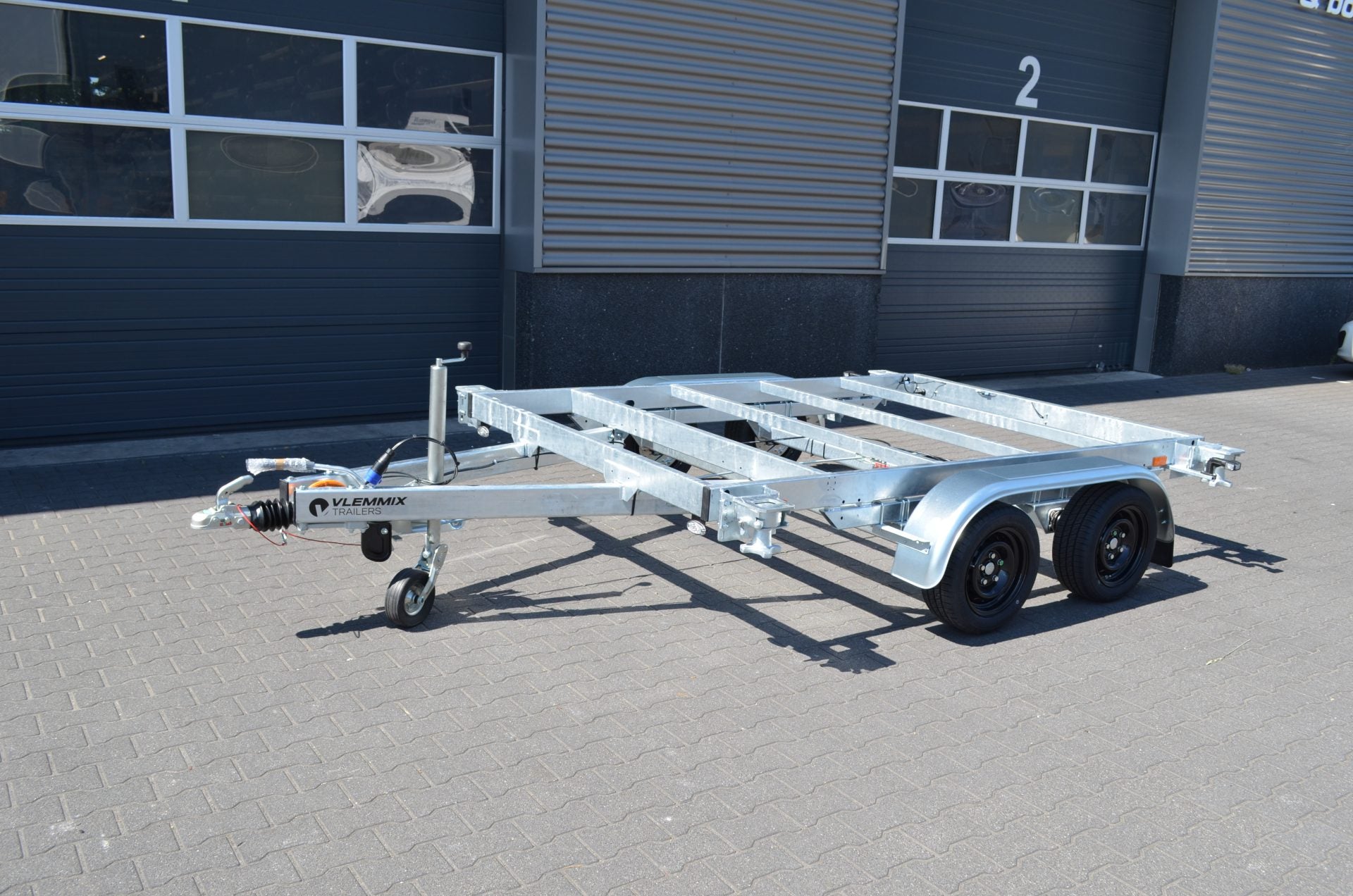
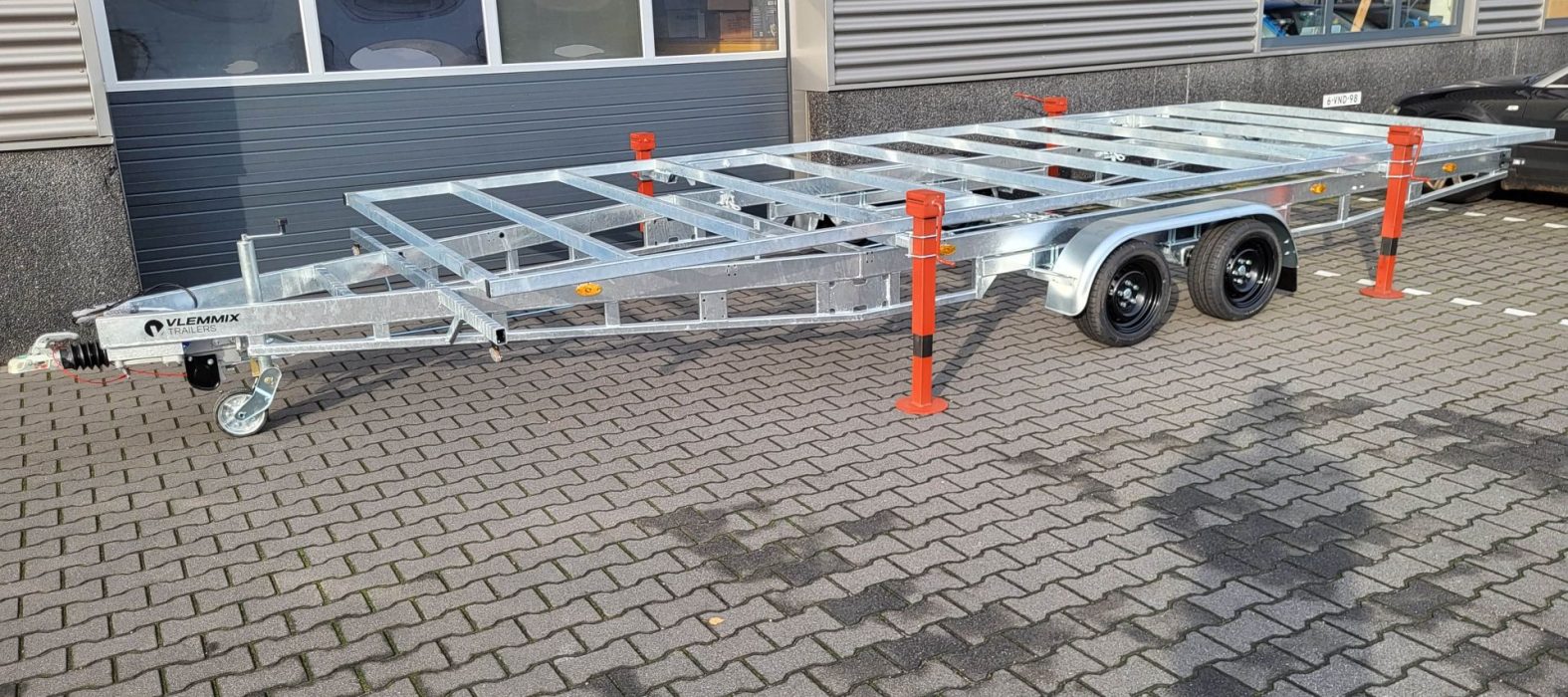
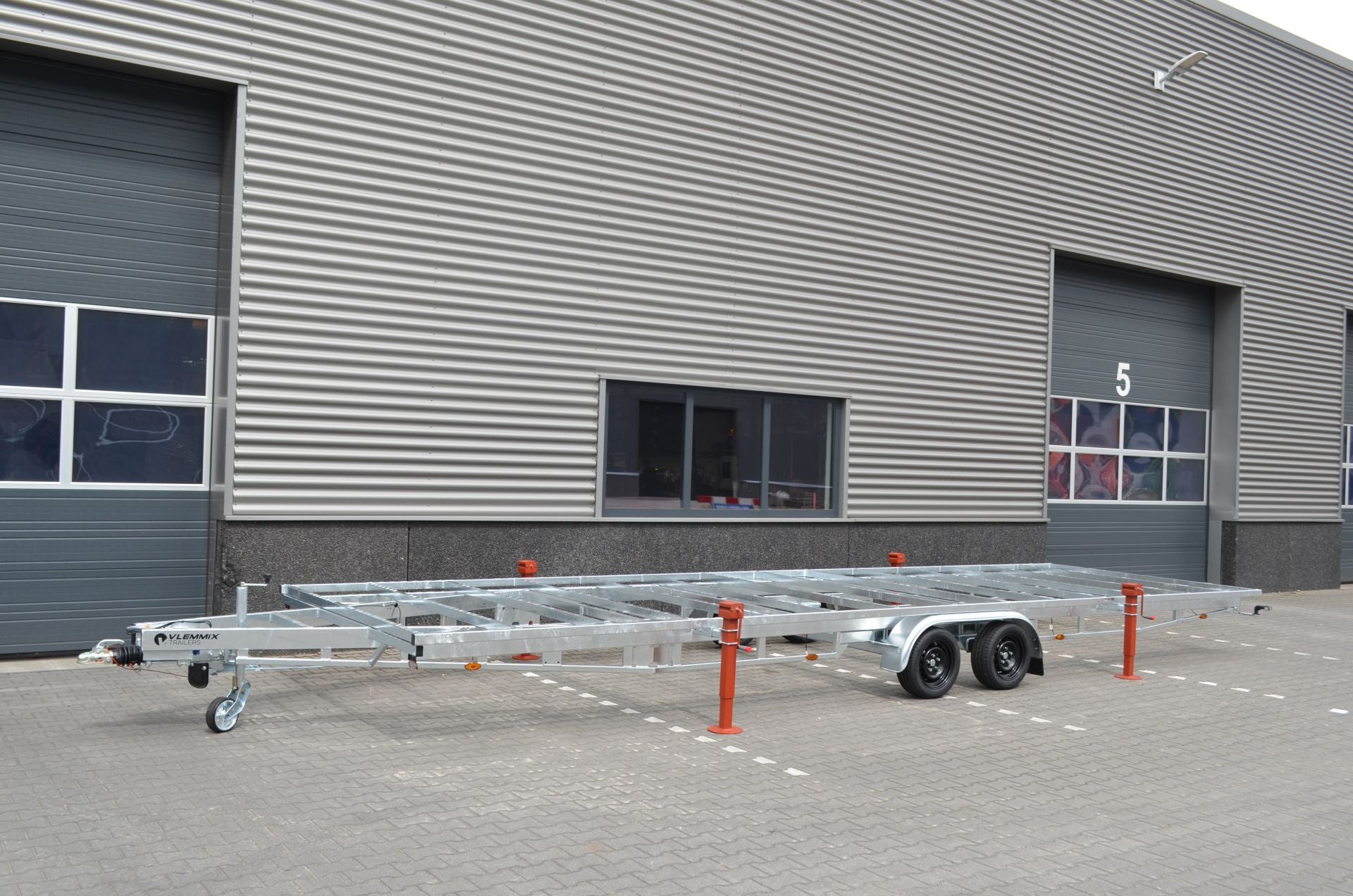
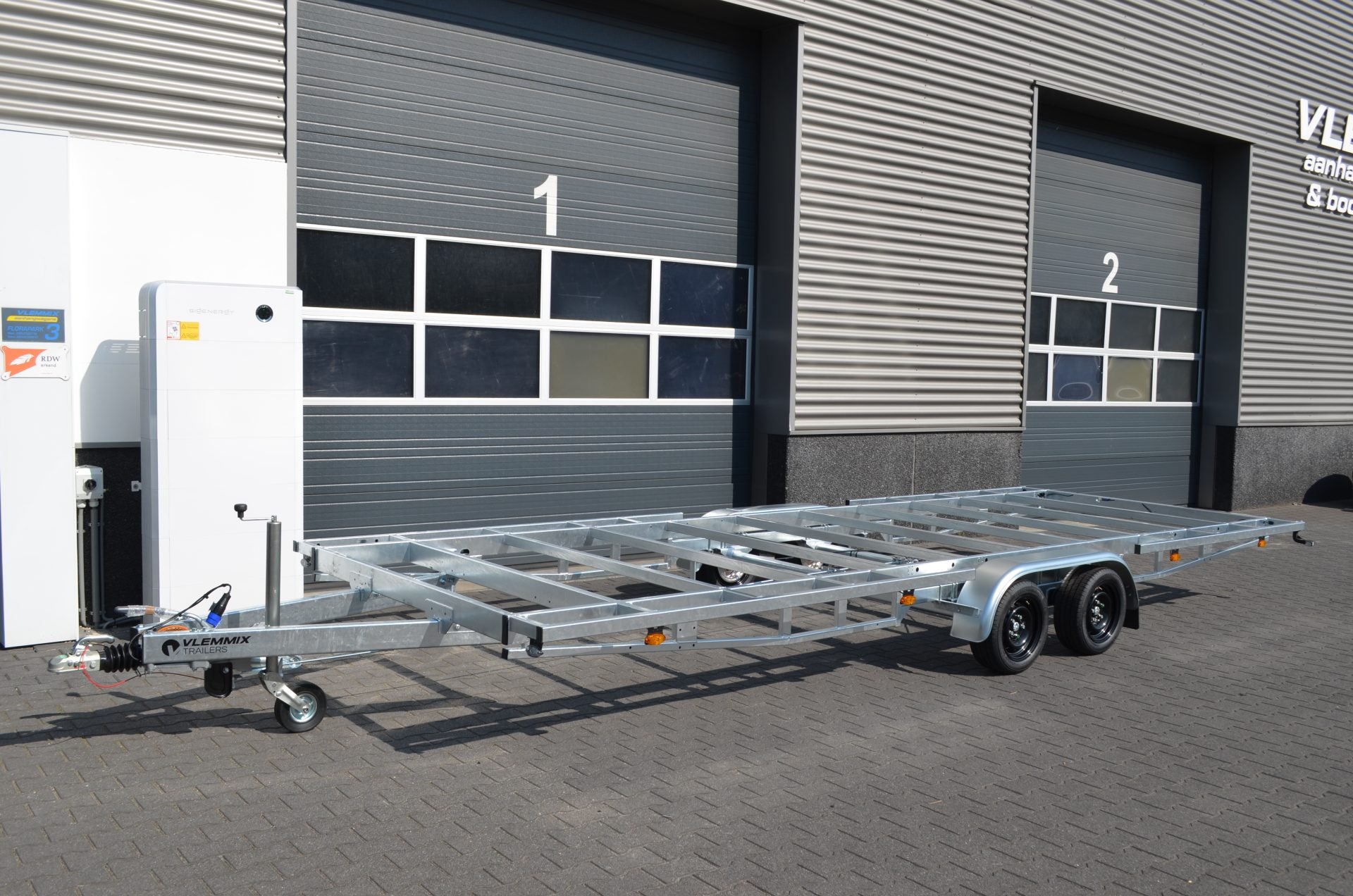
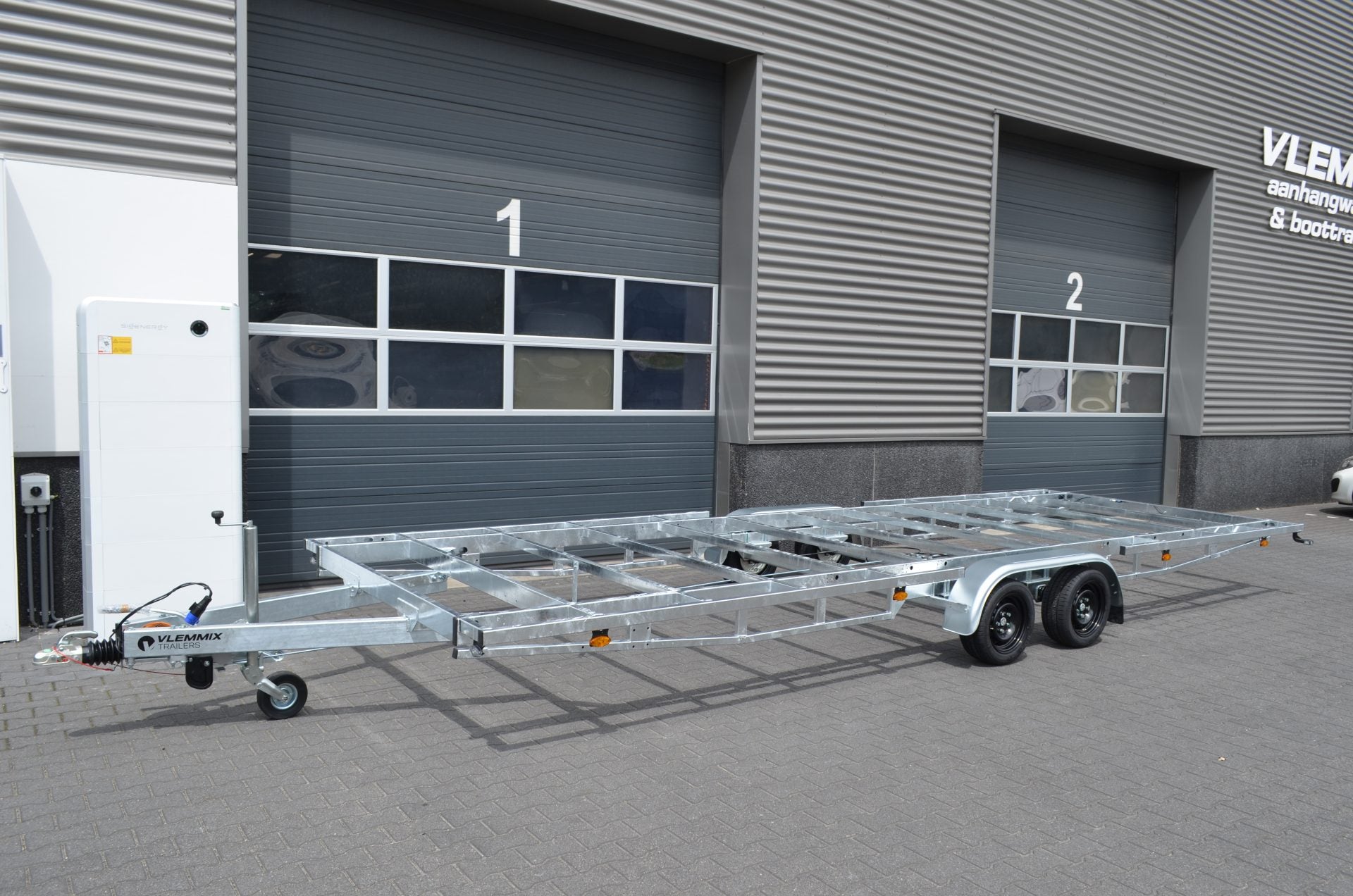
Additionally, having the boat on a trailer or cradle gives you calendar freedom: you launch on the first good weather day, without waiting for a shipyard appointment or depending on a crane. To view by length, the starting point is the nautical trailers category, and for fixed storage supports, the boat cradles. A boat stored at home is a boat that starts its season earlier and with less work.
And there's a less obvious effect: by having the boat in plain sight at home, you inspect it casually throughout the winter. You spot a crack, a moldy life jacket, or a battery losing charge much sooner than someone who only sees their boat the day they go to the port for the first time. The checklist, in that case, almost completes itself over the months, and on the day of the first outing, there are barely four checks left.
Common Mistakes on the First Outing
The first is to trust the battery without testing it. It's the most common failure and the easiest to avoid with an on-land check. March arrives, it won't start, and the day is over.
The second is to go out with expired safety equipment. Out-of-date flares or a fire extinguisher without pressure don't count, and they can also result in a fine. Check expiry dates at home, with time to replace them.
The third is to ignore the weather forecast. Spring seas change quickly, and a first outing in bad weather is the worst way to start the season. If the forecast isn't favorable, it's perfectly fine to wait until the following weekend.
The fourth is to make a first outing too ambitious. Traveling far on the first day, with the boat just waking up, multiplies the risk. Keep it short and close: there will be time for longer journeys once the boat has proven it's responsive.
Frequently Asked Questions
What should I check before the first outing of the year?
Five blocks: documentation (license, insurance, boat papers), safety (life jackets, flares, extinguisher, bailing), engine (levels, battery, dry test), hull and systems (drain plug, seacocks, steering) and weather and plan. Review them at home beforehand.
What is the most common failure on the first outing?
The battery. After months of inactivity, it may have lost capacity and leave you stranded within the first hour. Test it under load before going out and keep it on a charger during winter to prevent this.
Do I need to notify anyone before heading out?
It's not mandatory, but it's highly recommended. Let someone on shore know your navigation plan and estimated return time, keep your phone charged, and the VHF operational. On a first outing with the boat just awakened, this safety net is very valuable.
Where do I start if I keep the boat at home?
By checking the trailer and transport before heading to the ramp, then the launch, and then the five blocks of the checklist. Storing the boat dry saves you a good deal of the problems that come with a winter outdoors.
Is it advisable to do a test run?
Yes. The first short outing close to port is the real test of the boat's readiness. It allows you to detect play, leaks, or engine failures close to shore, before planning long journeys. If something goes wrong, you can return to port in minutes and resolve it without drama; it's the opposite of discovering the problem several miles offshore.
Want to have a smooth first outing, with your boat stored dry and ready to launch? Check out boat trailers and powerboat trailers, and we'll help you choose based on your length, no obligation.