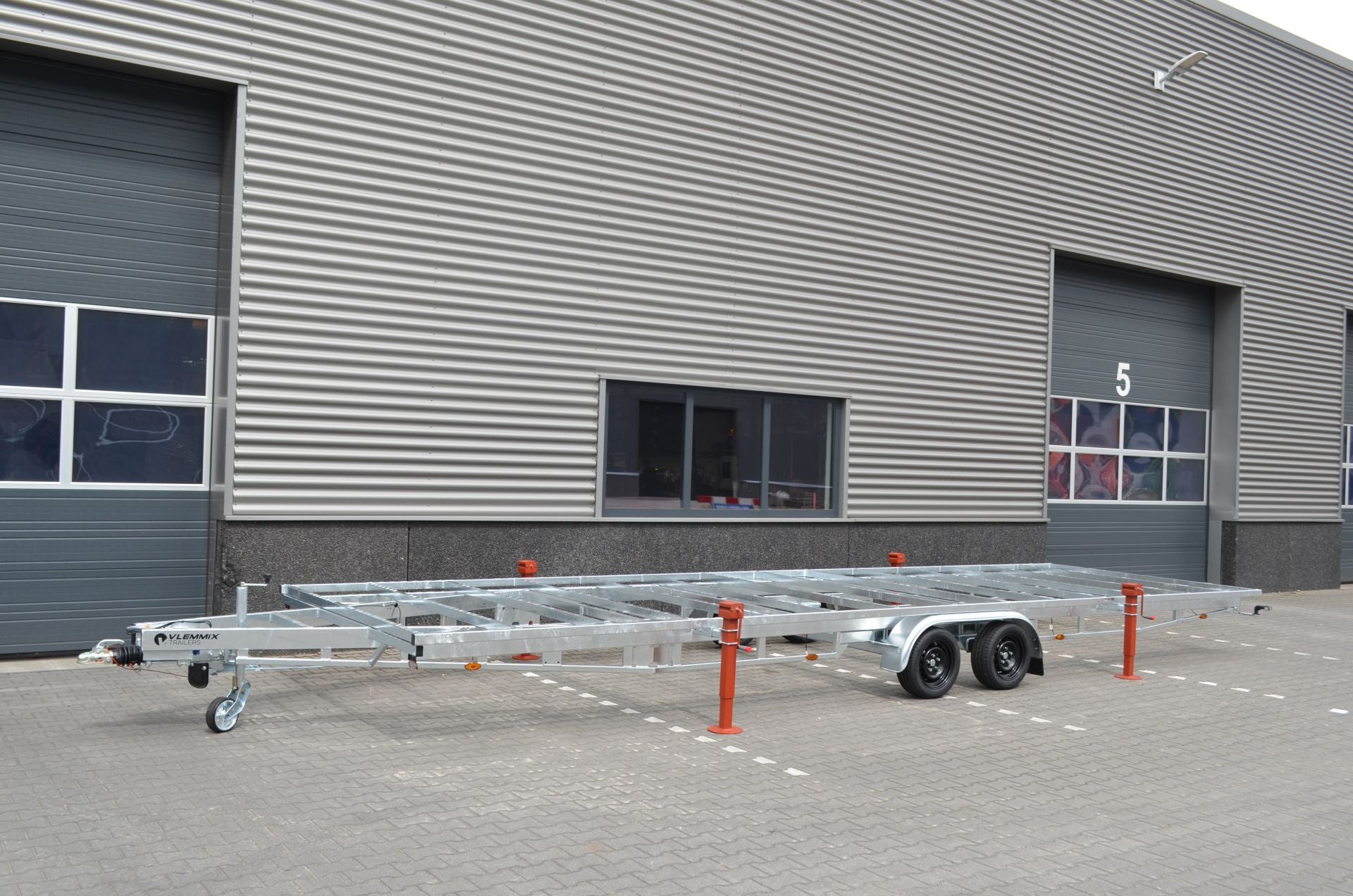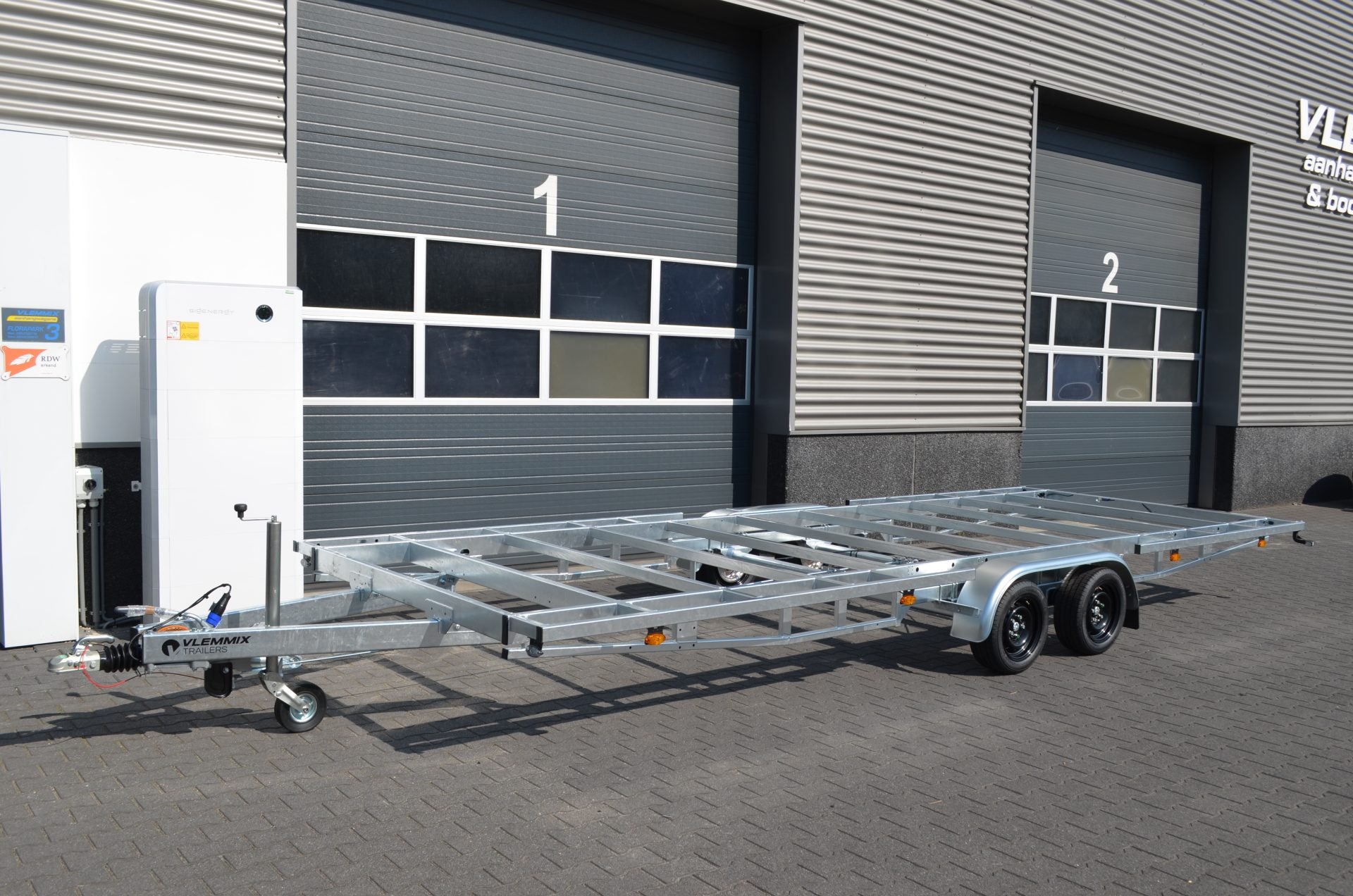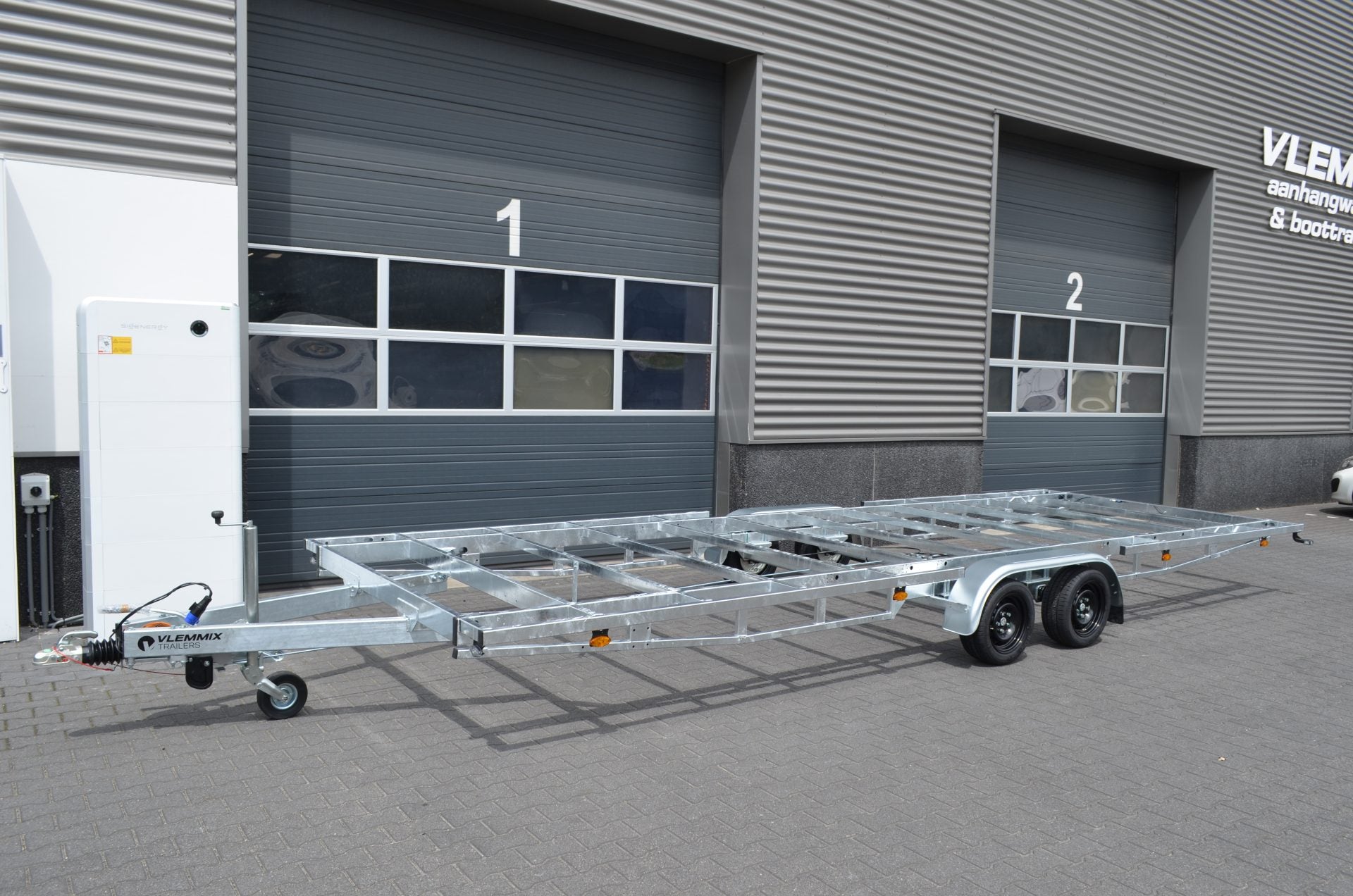

The question is repeated in shops, forums, and boatyards: is it worth paying the difference for a galvanized trailer, or is a painted one sufficient? There's no simple answer. It depends on the use, the environment, and how much care you're willing to give it. But one thing is clear: choosing the wrong trailer means accelerating corrosion, breakdowns, and bills you could have avoided. Let's look at the issue calmly, without myths, and with the experience of someone who sees trailers age season after season.
What exactly is a galvanized trailer?
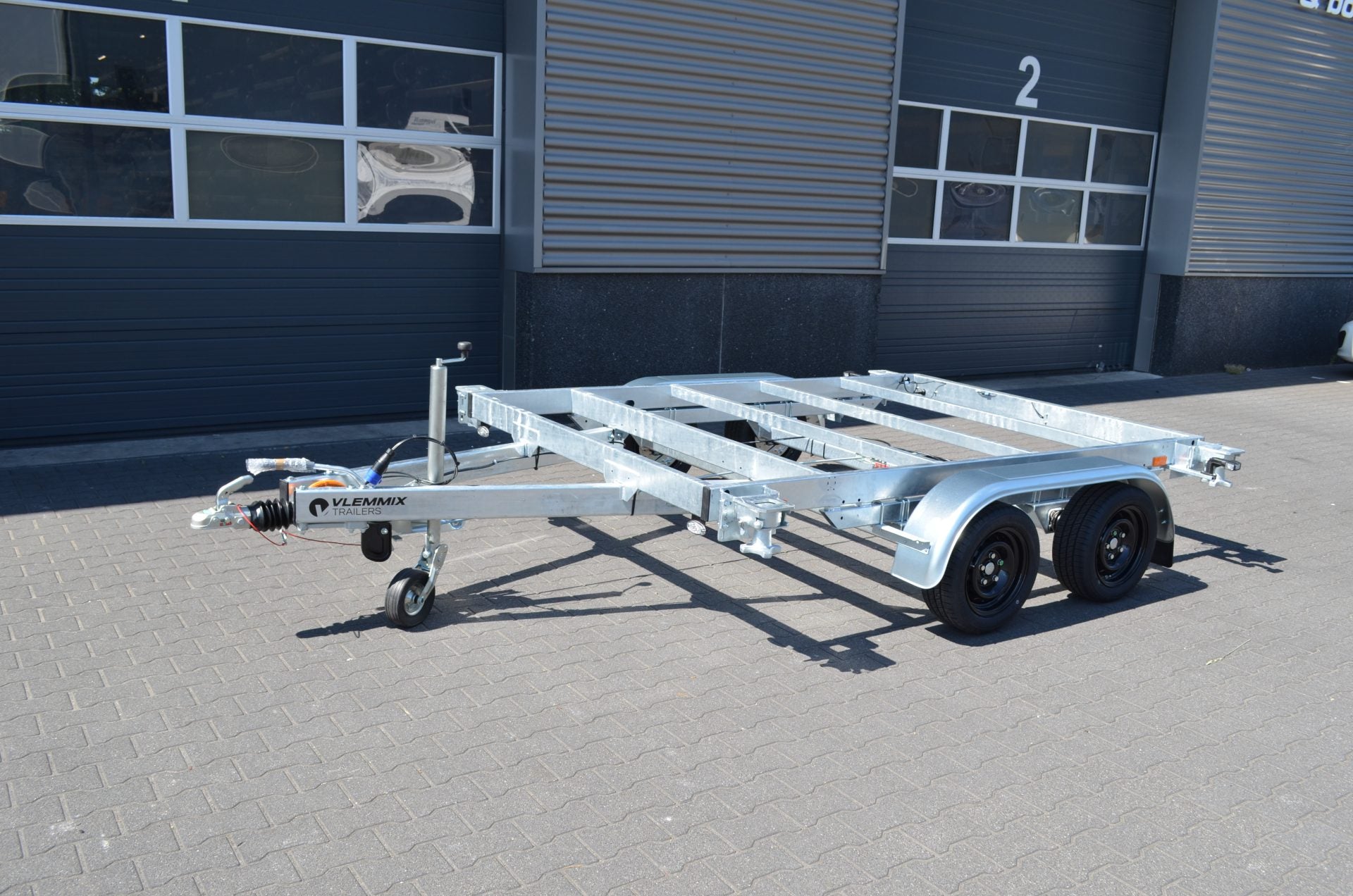
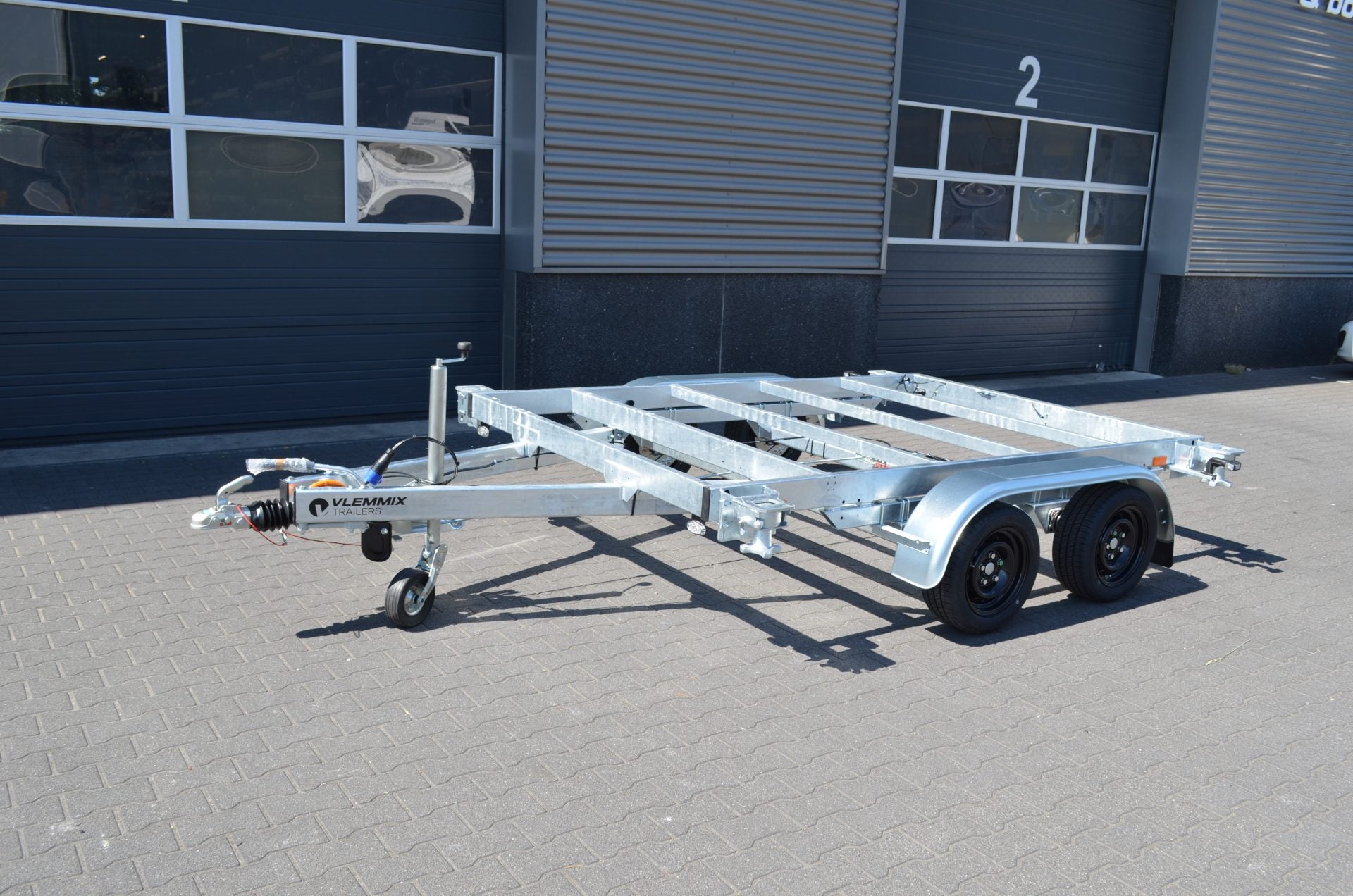
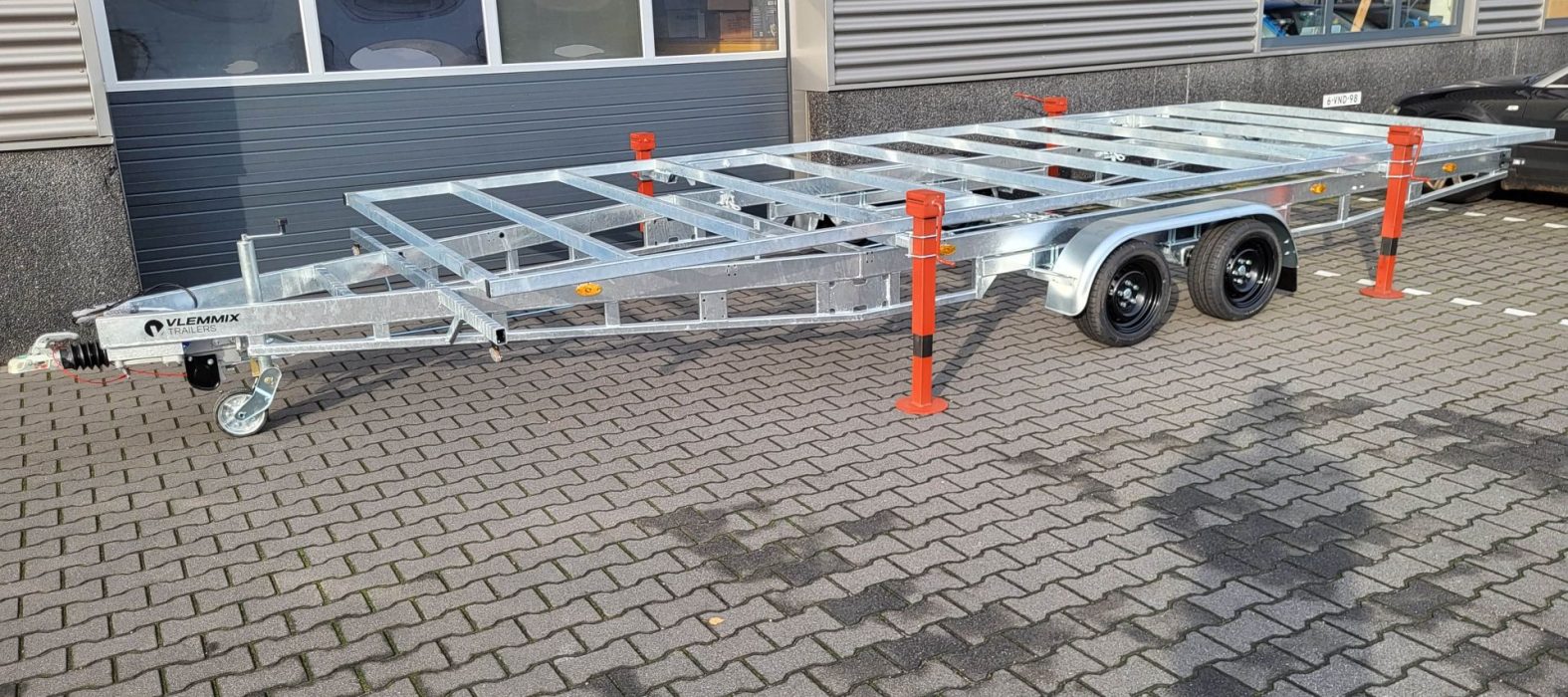
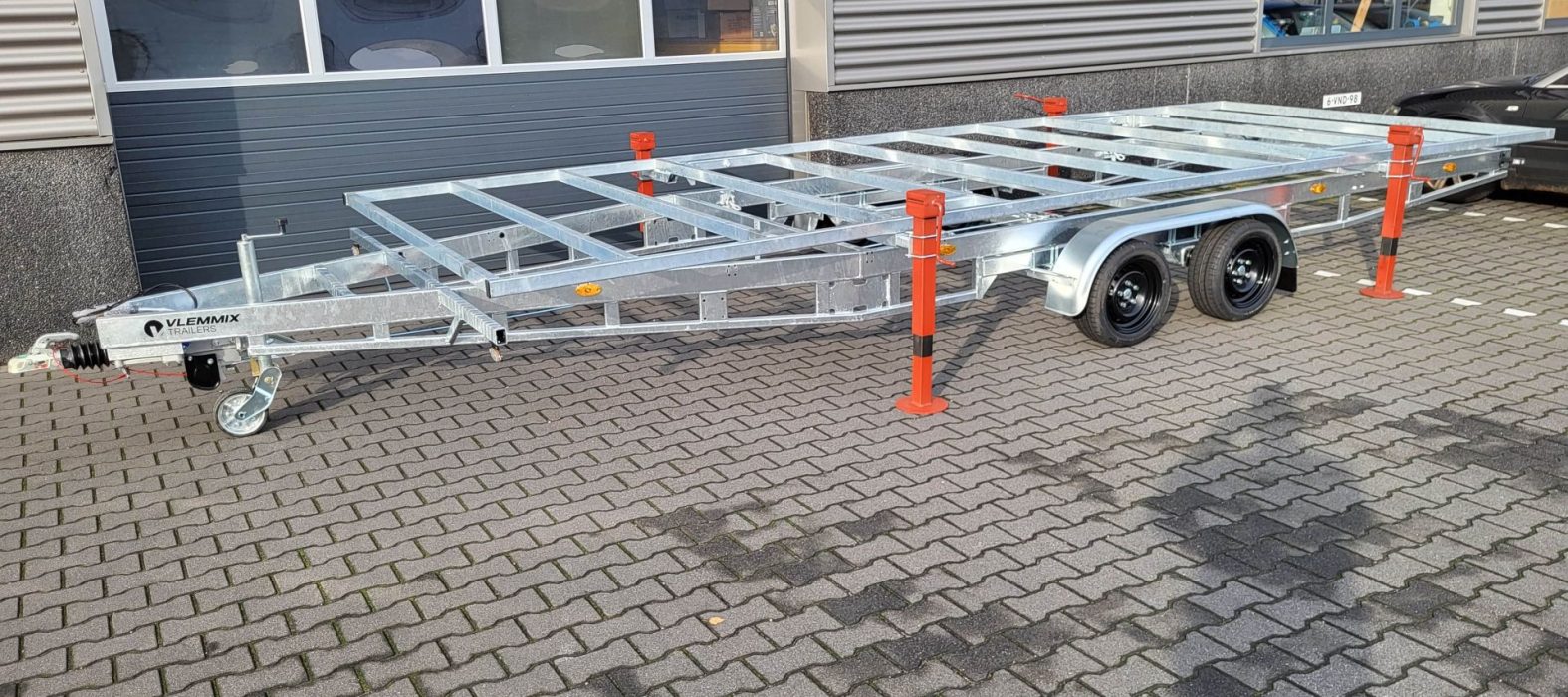
Hot-dip galvanizing involves immersing the steel chassis in molten zinc. The zinc creates a continuous layer that protects the base metal from rust. It's not just a "special paint"; it's a chemical barrier: when corrosion does occur, it attacks the zinc before the steel. In other words, the zinc is sacrificed to extend the chassis's lifespan.
In real-world use, this translates to something obvious: galvanizing withstands impacts, scratches, water, and salt much better than most other finishes. Even when small marks appear, the protective coating remains effective. This is why it's used in infrastructure exposed to the elements, signage, and industrial equipment. On trailers that travel over ramps or are located near the coast, the difference in aging is visible after just a few years.
Another important advantage: galvanizing also protects the interior of hollow profiles, areas where traditional paint rarely adheres properly. This is where many painted trailers begin to deteriorate without the owner noticing… until it's too late.
Where is the limit of galvanizing?
It's not indestructible. If the chassis receives heavy impacts, is drilled without subsequent protection, or is kept permanently wet, the zinc will eventually give way. It requires washing with fresh water after exposure to seawater, checking for damaged areas, and taking action when rust spots appear. Anyone who thinks galvanizing is "zero maintenance" is mistaken.
What does a painted trailer offer?
A painted trailer is made of the same steel, but protected with anti-corrosive primers and paints. These products, when applied correctly, offer reasonable resistance in mild climates and under non-aggressive use. The finish can be aesthetically impeccable and, in many cases, it is more economical.
The problem arises when the paint is dented, scratched, or doesn't properly cover edges and welds. Corrosion starts right there. And once it penetrates beneath the paint layer, the deterioration accelerates. On trailers that rarely go out to sea, are stored indoors, and are used only sporadically, a paint job can last for years in good condition. But it requires regular maintenance and touch-ups.
It's also true that a painted surface is easier for the user to touch up. Sanding, priming, and repainting are possible without much equipment. However, if the rust has already set in, the problem won't be solved with a few brushstrokes.
The Achilles' heel of painted trailers
Welds, joints, and undercarriage areas. Precisely where they take the most punishment. That's where the first signs usually appear: bubbles, flaking paint, and brown stains that foreshadow what's to come. In coastal or marine environments, the process accelerates. This is why so many painted trailers age poorly near the Mediterranean or the Atlantic, even with minimal use.
Which lasts longer: galvanized or painted
If we're talking exclusively about average durability under real-world conditions , there's no debate:
Galvanized trailers usually last longer.
Given equal use, exposure, and maintenance, galvanizing offers superior corrosion resistance, protects hidden areas, and maintains structural integrity for longer periods. In specialized workshops and companies within the sector, this is what we see every year: painted trailers requiring welding and patching sooner, and galvanized trailers that remain structurally sound.
But here's where the nuance that separates theory from practice comes in: your environment and how you use the trailer.
If you sail on saltwater
Galvanized, without a doubt. Between being submerged in ramps, salt, sand, and sun, a painted trailer ages at an alarming rate. Even if you wash it. Even if you take care of it. Salt always finds a way. With galvanizing, wear and tear still occurs, but the margin of safety is much greater.
If you're navigating in freshwater or if you barely get the trailer wet.
A painted trailer may suffice if it's stored indoors and inspected regularly. Even so, if your budget allows, galvanizing remains a wise long-term investment.
Initial cost vs. long-term cost
The real question is not just "which lasts longer", but "which is more cost-effective".
A galvanized trailer is usually more expensive to buy. However, in the medium term, it saves you money:
-
less corrosion
-
fewer welds
-
fewer structural repairs
-
Fewer problematic MOT tests on trailers that need them (MMA greater than 750 kg)
A painted trailer might seem cheap at first, but if it requires frequent touch-ups, welding, sanding, and repainting of critical areas, the savings disappear. And when corrosion progresses within the frame, some things become irreparable.
Maintenance: this is where the actual useful life is decided.
A poorly maintained galvanized trailer can break down faster than a well-maintained painted one. This is a point many people overlook.
For any trailer:
-
Wash with fresh water after using the ramp.
-
dry and move a few meters to drain water
-
check damaged points
-
act as soon as rust appears
-
Avoid storing it in humid areas
-
do not overload your MMA
These are basic habits that prolong their lifespan. The Ministry of Transport reminds drivers in safety campaigns that poor maintenance of trailers and braking systems is behind frequent breakdowns on the road. There are no separate statistics for galvanized and painted trailers, but the trend is clear: those who maintain them experience fewer breakdowns.
What to check each season
-
chassis and welds
-
rollers and supports
-
inertia brake (if equipped)
-
bearings
-
electrical installation
-
areas with bumps or scratches
An annual check-up prevents surprises. And if the trailer frequently travels through saltwater, it's best to check it twice.
When to choose galvanizing and when to choose painting
If you need a quick and honest criterion:
Choose galvanized if:
-
You sail on salty seas
-
You frequently enter and exit via ramp
-
the trailer sleeps outdoors
-
Do you want to forget about rust early?
-
You're looking for higher resale value
Choose painted if:
-
You barely get the trailer wet.
-
You keep it indoors
-
You sail on freshwater
-
your budget is limited
-
are you willing to maintain it regularly
There is no single correct answer. There are different uses.
Clear closure
In a comparison of galvanized vs. painted trailers, galvanizing wins in durability in most scenarios, especially near the sea. Not because it's magic, but because it provides better and longer-lasting protection.
The important thing is to be realistic about your usage: if you're going to get the trailer wet and put it through a lot, invest in it from the start. If your use is light and controlled, a simple paint job might be perfectly adequate… as long as you keep up with the maintenance.
And if you need help deciding which trailer is right for your boat and your sailing style, at Remolque.es we can review your case with numbers, not assumptions. Choosing wisely today saves you from spending twice tomorrow.