
Quick summary
- From October 1, 2026, no license is required for private use of motorboats up to 5 m and 15 HP.
- With a Navigation License, you can operate motorboats up to 6 m and jet skis, within 2 miles and during the day.
- The PER, the most popular license, allows up to 15 m and 12 miles, plus inter-island trips in the Balearic and Canary Islands.
- To rent any motorboat, you will need at least a Navigation License from October 2026.
- All licenses require applicants to be of legal age to take the exam from 2025.
There's a new development that you should be aware of before planning your outings: from October 1, 2026, no license will be required for the private use of motorboats up to 5 meters in length and 15 HP of power. For everything else, the usual hierarchy of licenses still applies, increasing in length and miles as you move up a level. This guide clarifies what you need depending on your boat and how you navigate, what changes with the new regulation, and how it affects rentals.
Before we begin, a disclaimer: this is a general guide. The exact attributions and requirements are set by the Directorate General of the Merchant Marine, so for your specific case, confirm with a nautical school or on the official website. Regulations change, and it's advisable to verify them before enrolling in a course.
Do I need a license to sail this summer?
It depends on two things: the length and power of the boat, and how far from the coast you want to navigate. For a small motorboat used privately near the coast, you may not need anything. For almost everything else, a license is required.
The practical rule is simple. The bigger the boat and the farther you want to go, the more advanced license you need. A jet ski or a 5-meter launch are at the first step; a 12-meter boat crossing to an island is at a much higher level. The good news is that a license covers everything below its limits, so an intermediate one will cover most plans. Let's look at each level to help you find yours.
The new regulation for October 2026: sailing without a license
The change that will be most discussed this summer is the exemption from licensing. From October 1, 2026, the private use of motorboats of up to 5 meters in length and 15 HP of nominal power will not require any license, always without a power reduction device.
This opens the door for many people to acquire a small launch without going through a nautical school, something that until now deterred many first-time buyers. It has important nuances: it applies to private use, not rentals, and the vessel still needs to be registered and carry its safety equipment. Sailing without a license does not mean sailing without rules: traffic regulations, zones, and mandatory equipment remain the same.
For those who only want to go fishing or swimming near the coast with a modest vessel, it's a convenient entry point without barriers. For any greater ambition, a license is still the mandatory path.
Recreational licenses and what each one allows
The hierarchy of recreational licenses in Spain ranges from the Navigation License, the most basic, to the Yacht Captain, with no limits. Here's an overview.
| License | Max. motor length | Distance / zone | Ideal for |
|---|---|---|---|
| No license (from Oct. 2026) | Up to 5 m and 15 HP | Private use near coast | Small fishing or swimming boat |
| Navigation License | Up to 6 m and jet skis | 2 miles, daytime only | Starting without an exam |
| PNB | Up to 8 m | 5 miles | Coastal trips |
| PER | Up to 15 m | 12 miles (+ Balearic and Canary Islands) | The most popular and versatile |
| Yacht Master | Up to 24 m | 150 miles | Offshore voyages |
| Yacht Captain | Up to 24 m | No limit | Ocean navigation |
The Navigation License does not require an exam: it is obtained with a short theoretical-practical course and allows operating boats up to 6 meters with a motor and jet skis, within 2 miles and during the day. It is the entry point for those who want more than the exemption but without studying for an exam.
The PER is, by far, the most demanded license. It allows operating boats up to 15 meters and venturing up to 12 miles, and includes inter-island trips in the Balearic and Canary Islands. For most owners of launches and rigid inflatable boats, the PER covers everything they will do in their nautical life.
What license do I need for my boat?
To choose, consider your vessel and how you intend to navigate. If you have a launch or rigid inflatable boat between 5 and 8 meters and navigate near the coast, the PNB or PER are more than enough; the PER is a safe bet because it won't fall short if you change boats. If your plan is to cross to an island or go further offshore, you absolutely need at least the PER.
If your vessel is small, motorized, and for private use (up to 5 m and 15 HP), from October 2026 you can navigate near the coast without a license. And if you only want a jet ski, the Navigation License is the one that authorizes it. The key question is not "which license is better," but "what do I do with the boat and how far do I go."
It's worth thinking ahead. Getting the PER takes a bit more effort than the Navigation License, but it opens up practically all coastal recreational activities and you won't have to take another exam if you upgrade your boat. For many, it's the most profitable investment in licensing.
A note for those who sail: the attributions of the licenses cover both motor and sail within their limits, and for longer lengths and distances, the Yacht Master and Yacht Captain come into play. If your plan is to take a large sailboat or make long voyages, that's the next step. For the vast majority of trailerable launches and rigid inflatable boats, however, the real debate is only between the exemption, the Navigation License, and the PER.
Renting a boat: what changes with the new regulation
If your plan is to rent instead of buy, pay attention to a detail of the new regulation. From October 1, 2026, to rent any motor vessel, you will need at least a Navigation License. The license exemption for boats up to 5 meters applies to private use, not rentals.
This is a significant change for those who each summer rented a small boat "without papers" at their destination. From that date, the rental company will ask you for at least the License. If you are going to rent this summer, confirm with the company what license it requires depending on the boat and the area, because it also depends on the length and power of what you rent. Getting the License in advance, before your vacation, prevents you from being stranded on land on the day you wanted to sail.
Age and other requirements
From 2025, all nautical licenses require applicants to be 18 years old at the time of taking the test, a requirement that has been unified for all certifications. In addition to the theoretical exam (and practicals depending on the license), you need a medical certificate and to pay the corresponding fees.
It's not enough to have the license: to navigate, you also need the vessel to be in order (registration, insurance, ITB, and safety equipment according to its zone). The license authorizes you; the dispatch and papers authorize the boat. Both are checked during an inspection, so it's advisable to have them up to date before the first outing.
Navigation License or PER: which one to get first
Many people hesitate between settling for the Navigation License or going straight for the PER. The Navigation License is quick and inexpensive, with no official exam, but it limits you to 6 meters, 2 miles, and daytime only. For a first modest coastal launch, it may suffice, but it falls short as soon as you want to navigate at night or venture a bit further.
The PER requires a theoretical exam and practicals, and costs more time and money, but it opens up practically all coastal recreation: 15 meters, 12 miles, and inter-island trips. If you anticipate that you will navigate more than four days a year or upgrade to a larger boat, getting the PER from the start avoids taking two courses. The Navigation License makes sense as a quick entry; the PER, as a long-term investment.
No license and with your own boat: the small trailerable launch
The October 2026 exemption fits especially well with a specific profile: someone who wants their own small launch for use near home without complications. A boat up to 5 meters and 15 HP is also perfectly trailerable: you tow it, store it at home, and launch it whenever you want.
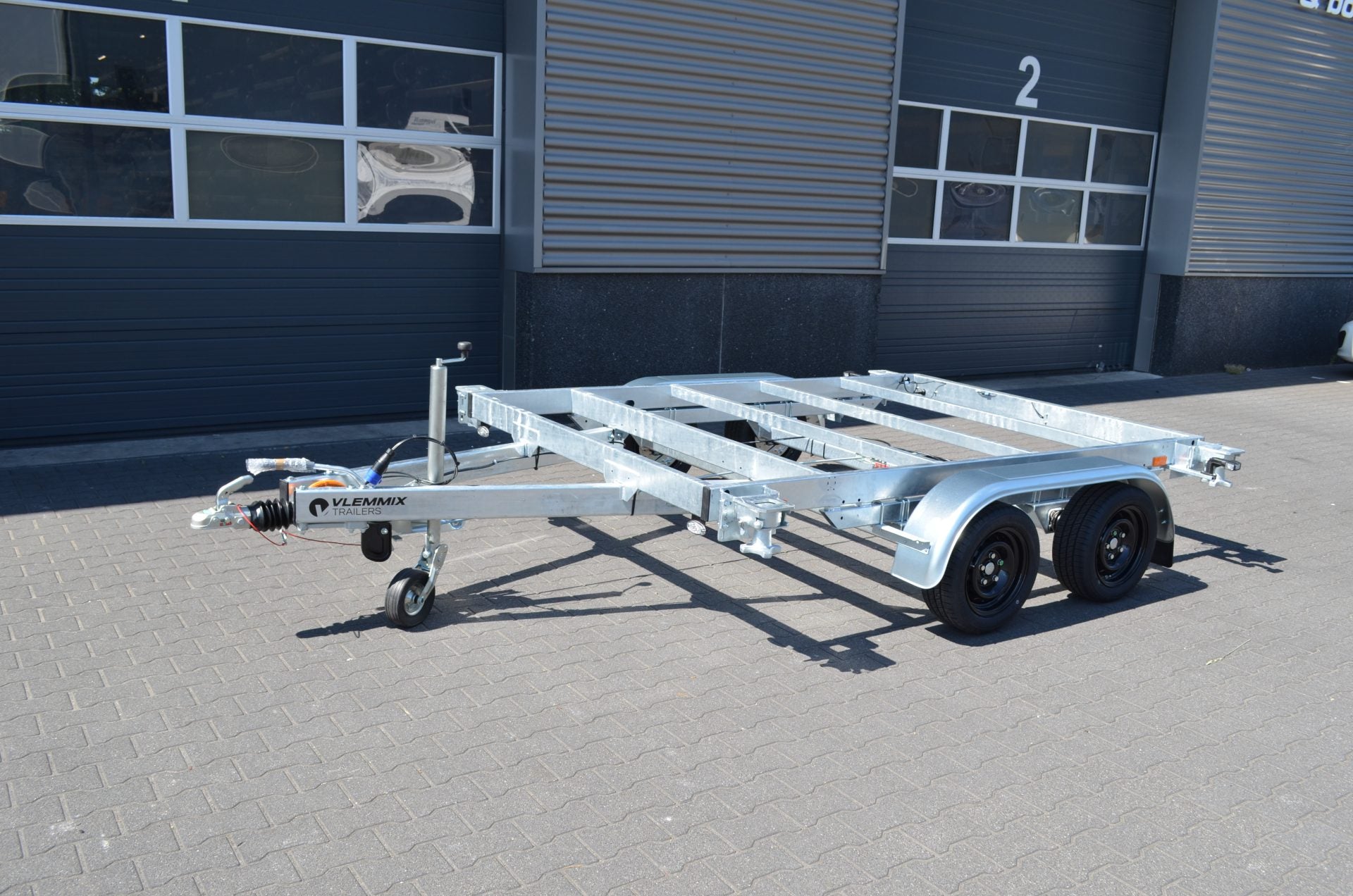
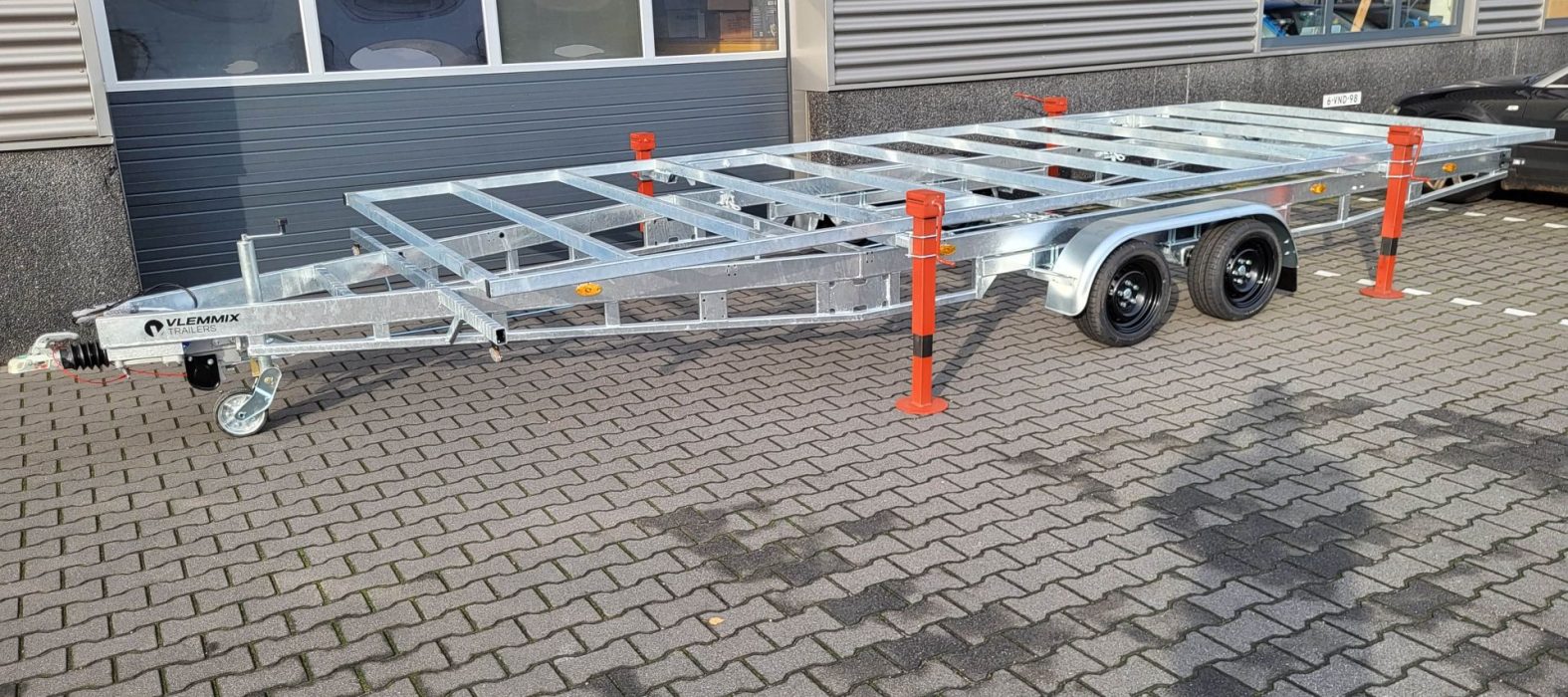
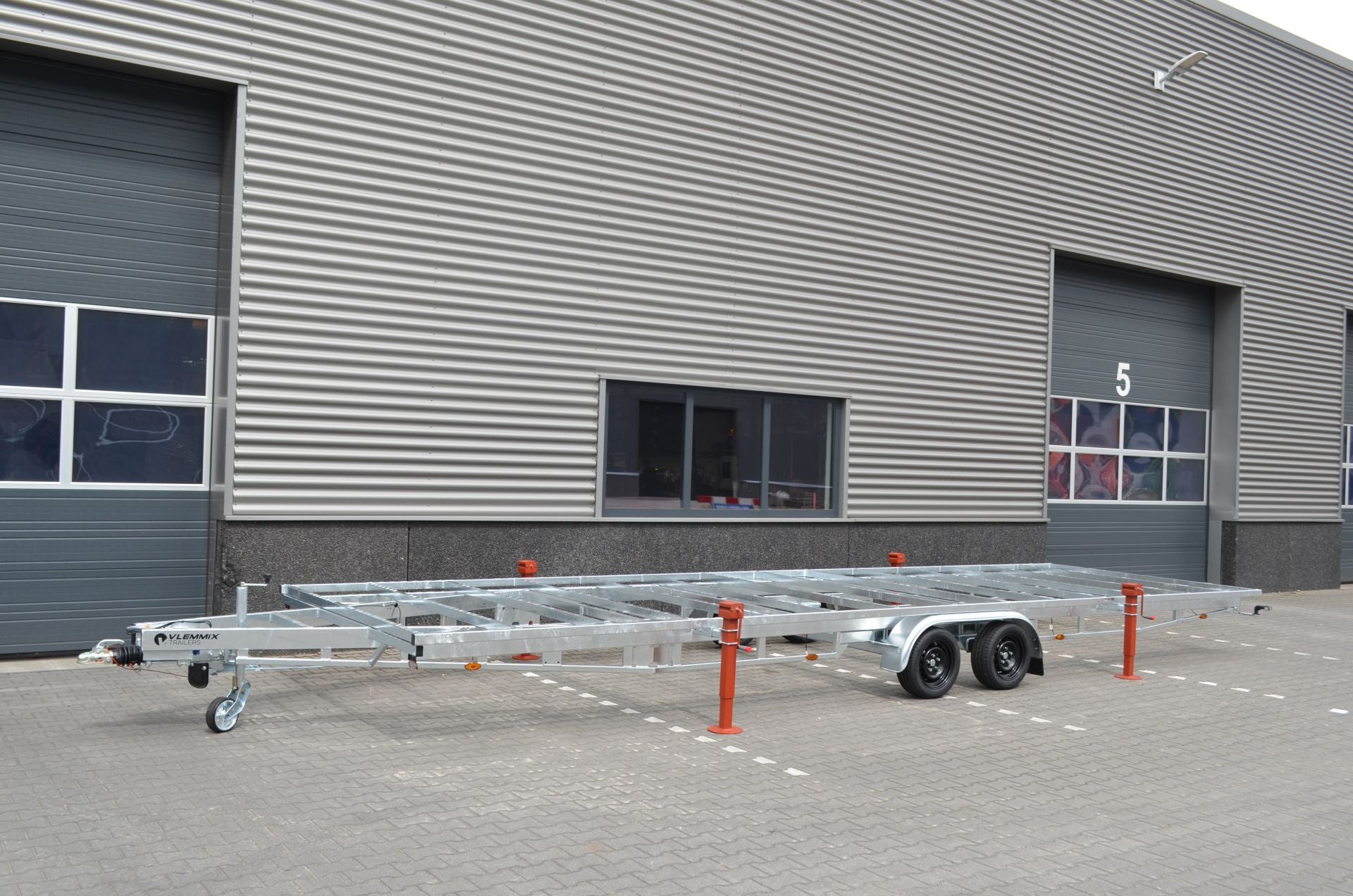
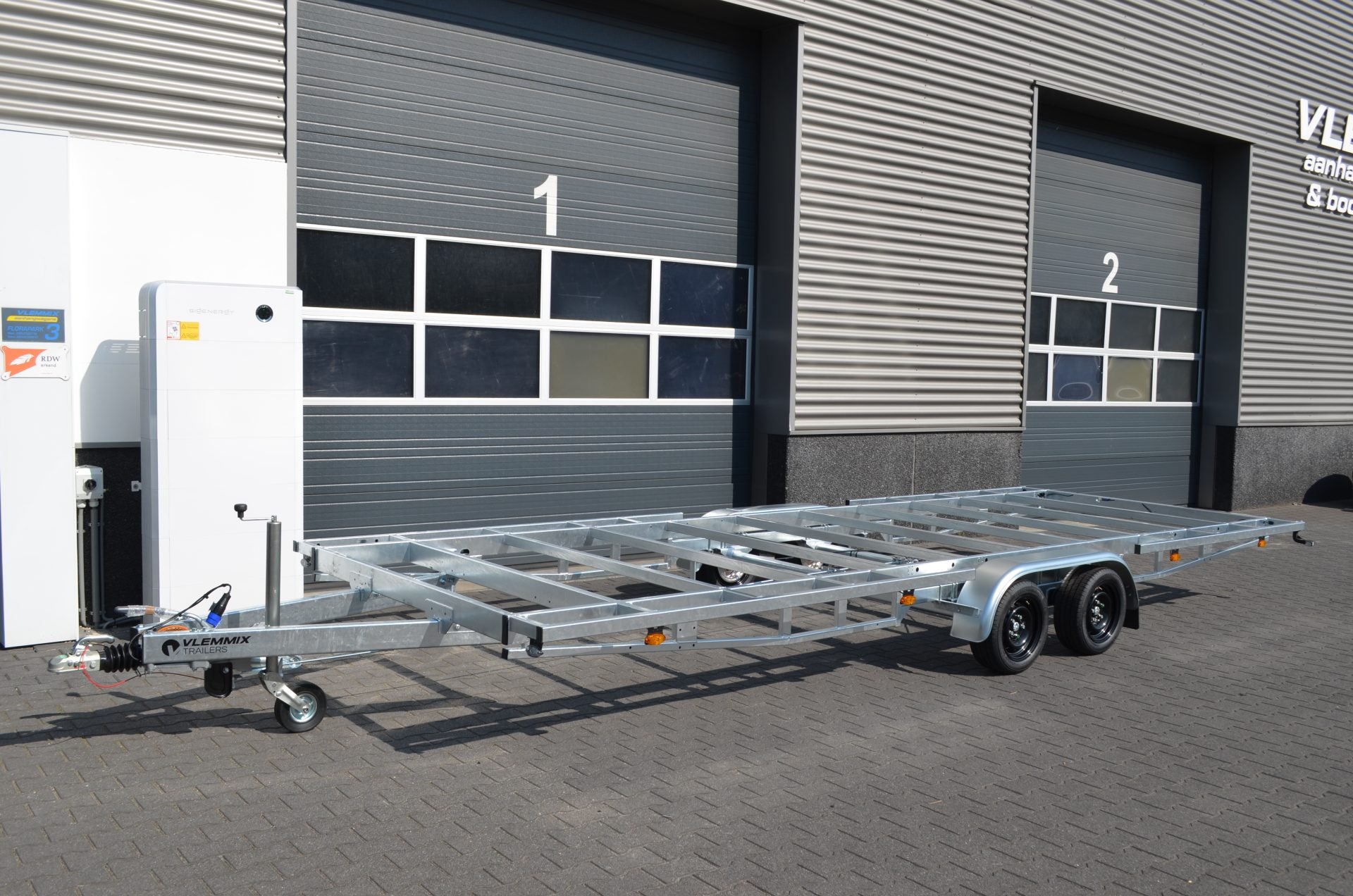
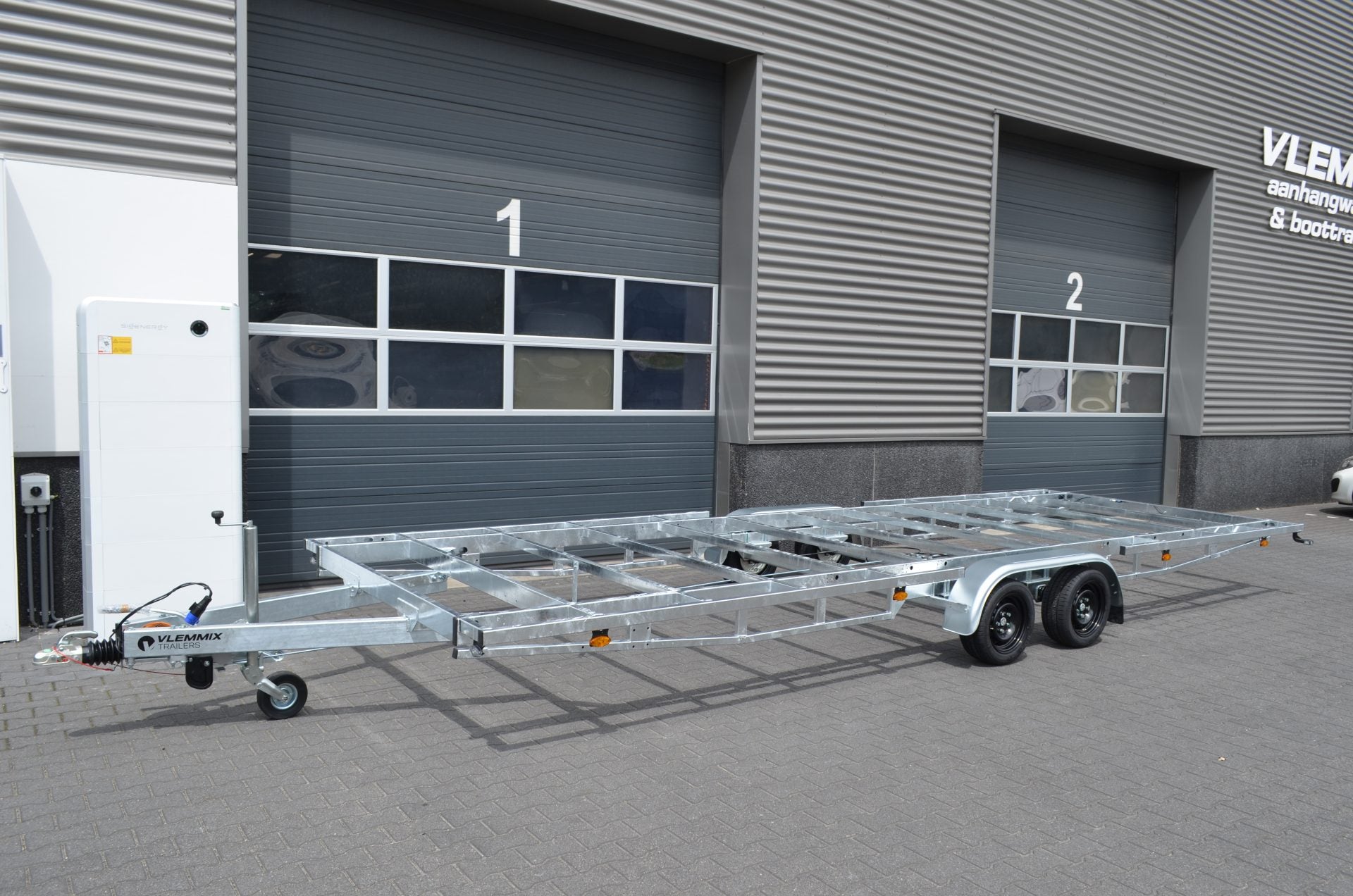
This approach saves you mooring fees and rental costs, and turns the launch into a low-cost recurring pleasure. You need the right trailer for its size, which you can find under trailers for launches or, if it's a rigid inflatable boat, in the general category of nautical trailers. For a jet ski, which requires a Navigation License, the equipment is the jet ski trailer. The first time you launch it, it will be helpful to review how to launch the boat on the ramp, because with a light vessel, the maneuver is very simple.
And like any trailerable boat, you gain the option of storing it dry on your property between outings. This protects the hull and eliminates mooring fees, as we advocate when discussing how much it costs to own a launch in Spain. No license, with your own boat, and stored at home: the simplest and cheapest boating possible.
Licensing, safety, and readiness go hand in hand
Having a license is only one part. Before the first outing, the boat must be ready and its safety equipment up to date. The license tells you how far you can go; the safety equipment tells you what you must carry for that zone, as we explain in the guide to mandatory safety equipment by zones.
And before casting off, the readiness check: engine, batteries, and hull inspected during the boat winterization. License, ready boat, and proper equipment are the three pillars of a season without scares. If one is missing, the outing becomes complicated, whether due to a breakdown, a fine, or an avoidable incident on board.
Frequently Asked Questions
Can I sail without a license in 2026?
Yes, for private use of motorboats up to 5 m and 15 HP from October 1, 2026, without a power reducer and near the coast. The vessel must be registered and carry its safety equipment. For larger boats or to go further, you need a license.
What is the most useful license for a launch?
The PER. It allows up to 15 meters and 12 miles, plus inter-island trips in the Balearic and Canary Islands, so it covers what most owners of launches and rigid inflatable boats do. If you change boats, it won't fall short.
Do I need a license to rent a boat this summer?
From October 1, 2026, yes: at least a Navigation License to rent any motorboat. The license exemption for boats up to 5 meters applies only to private use, not rentals.
What license do I need for a jet ski?
The Navigation License, which authorizes jet skis and recreational motorboats up to 6 meters, within 2 miles and during the day. It is obtained with a course, without an official exam.
Is there a minimum age to get a license?
Yes. From 2025, you must be 18 years old to take the test, a unified requirement for all licenses. You also need a medical certificate and to pay the fees.
Does a nautical license expire?
Recreational licenses do not expire as an authorization once obtained. What does expire is the associated documentation that may be required to renew the card and, above all, the other boat documents (insurance, ITB) and safety equipment. You have the license forever; the boat must be kept up to date each season.
Are you getting a new small launch this summer and want to store it at home without paying mooring fees? Check out boat trailers and we'll help you choose the right support for your length, no obligation.