
Quick Summary
- Liability insurance is mandatory for pleasure crafts according to Royal Decree 607/1999.
- This liability covers third-party damages: injuries, property damage, and damage to other boats due to collision.
- Mandatory coverage extends up to €120,202 per victim and €240,404 per claim.
- All-risk insurance is optional and also covers your own boat, theft, and assistance.
- Renew the policy before the first outing; navigating without valid insurance is an infraction.
Before starting the season, it's wise to review a document many people take for granted: boat insurance. In Spain, third-party liability insurance is mandatory for pleasure crafts, according to Royal Decree 607/1999. Navigating without it is not only illegal; it leaves you exposed to paying out of your own pocket for damages you cause to others, which can be substantial. This guide clarifies what insurance is mandatory, what each type covers, its limits, and how to decide if you need to go beyond the legal minimum.
A disclaimer before we dive in: this is general information, not insurance advice. Specific coverages, limits, and prices are set by each insurer, and regulations may be updated, so always confirm the terms with your company or a specialized marine broker.
Is boat insurance mandatory?
Yes. Royal Decree 607/1999 establishes that every owner of a pleasure or sports craft must have third-party liability insurance for any liability they may incur while navigating. The obligation is not limited to when you are navigating: it also covers periods when the boat is moored and exposed to the risks defined by the regulations.
In practice, this means your boat needs at least a valid liability insurance policy to be in order, just as it needs its registration, dispatch, and up-to-date safety equipment. It is one of the documents checked during an inspection, and navigating without it is an infraction. That's why it's on the same checklist as qualifications and safety equipment before the first outing.
Mandatory coverage is relatively inexpensive because it only covers the legal basics. From there, you can expand with voluntary coverages depending on the value of your boat and how you use it, and that's where you truly decide how protected you are.
What mandatory liability insurance covers
Mandatory third-party liability insurance protects against damages you cause to third parties, not to your own boat. Specifically, it covers death or bodily injury to third parties, material damage to third parties, and economic losses that are a direct consequence of those damages. It also covers damage to other vessels due to collision or without contact.
Furthermore, unless otherwise agreed, the insurer covers the judicial and extrajudicial costs of defense and claims management. This is important protection: if your boat damages another vessel, injures a swimmer, or causes harm to a third party, the liability insurance responds within its limits.
What mandatory liability insurance does not cover is your own boat. If your boat is damaged, sinks, catches fire, or is stolen, mandatory insurance does not pay for any of that. To protect yourself, you need voluntary coverages.
It's important to understand this distinction, because many people believe they are more protected than they actually are. Liability insurance is for others, not for you: it responds if you cause damage, but not if your boat is damaged by a storm, grounding, or theft. Understanding this helps you decide, knowingly, whether the legal minimum is enough or if you need more.
Extent of coverage: legal limits
Mandatory third-party liability insurance has quantitative limits set by law. It covers personal injury up to €120,202.42 per victim, with a maximum of €240,404.84 per claim. For material damages, coverage has its own limits according to regulations.
These amounts are the legal minimum, not necessarily what is best for you. In an accident with several injured parties or extensive damage to an expensive boat, the mandatory minimum might fall short. That's why many policies offer to increase liability limits for a small premium difference, a reasonable option if you navigate in busy areas.
Mandatory liability or all-risk: what to choose
The real decision is not whether to get insurance (liability is mandatory), but how much to extend it. These are the two main types.
| Type | What it covers | For whom |
|---|---|---|
| Mandatory liability | Third-party damages (people, property, other boats) | Legal minimum for any boat |
| All-risk (extended) | The above + your own boat, theft, fire, assistance | Valuable or frequently used boats |
All-risk insurance adds coverage for your own vessel: hull damage, theft, fire, weather phenomena, sea assistance and, depending on the policy, personal effects or the engine. It is not mandatory, but for a boat of a certain value, it prevents a serious incident from becoming a total loss at your expense.
To decide, weigh the value of your boat and how much you use it. A modest dinghy you use infrequently might be fine with liability and little else; an expensive boat, a powerful RIB, or intensive use justifies all-risk. It's another part of the cost of owning a boat, which should be budgeted along with mooring and maintenance, as we see in the guide to how much it costs to own a boat in Spain.
What determines the price
The policy price varies greatly depending on several factors, so any fixed figure can be misleading. What influences it most is the boat's length, power, and value, the navigation area, usage (private or rental), and the chosen type. Mandatory liability alone is cheap; all-risk scales with the value you insure.
There are factors you can influence in your favor. A claims-free history reduces the premium over the years. And where you store the boat also matters: a vessel stored in a safe and supervised location usually poses less risk of theft or vandalism than one exposed on the street, which some insurers value. Storing the boat dry at home, in addition to protecting the hull, fits this lower-risk profile.
Get several quotes and compare coverages, not just the price. Two policies with the same premium can have very different limits and exclusions. A specialized marine broker helps you adjust coverage to your boat without overpaying or being under-covered. And review your policy periodically: as the boat ages or your usage changes, the coverage that suited you years ago may have become too much or too little.
Insurance, among the boat's papers
Insurance is one of the documents that must be valid and on board (or accessible) to navigate legally, along with the qualification, dispatch, and ITB. Renewing it on time is part of the seasonal preparation, just like checking the engine or safety equipment.
Before the first outing, check that the policy is paid and in force, that the annual receipt is current, and that it covers the area where you will be navigating. This is the same logic we apply to the mandatory safety equipment by area and the qualification for navigation: both the boat and the skipper must be in order. Include insurance renewal in your boat preparation routine so you don't leave it until the last minute.
Storing the boat at home and insured risk
Where you store your boat influences the risk and, therefore, can influence your relationship with your insurance. A boat that spends the season exposed on the street or in a pontoon is more subject to theft, vandalism, and storm damage than one stored dry on a private, supervised plot.
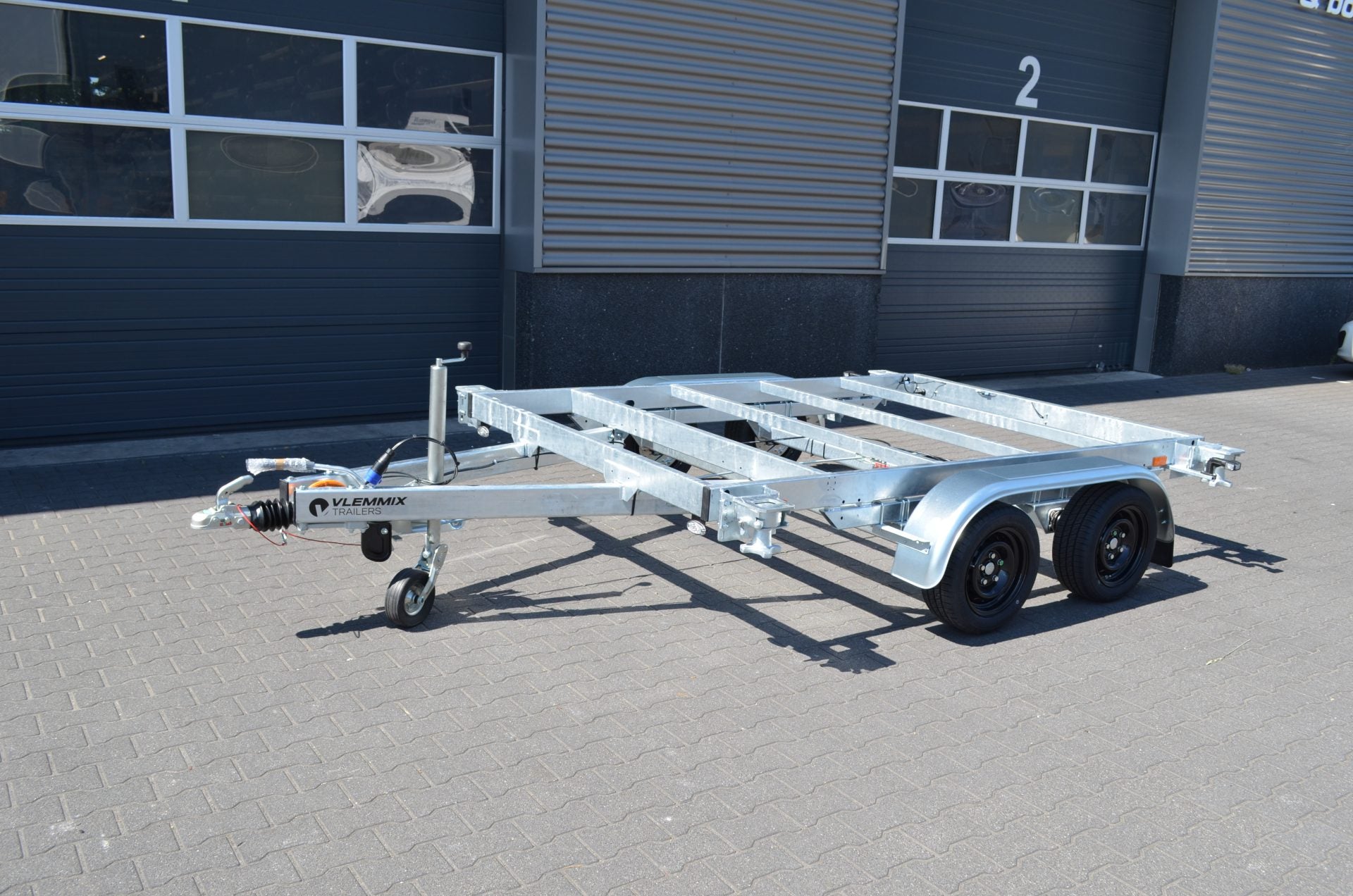
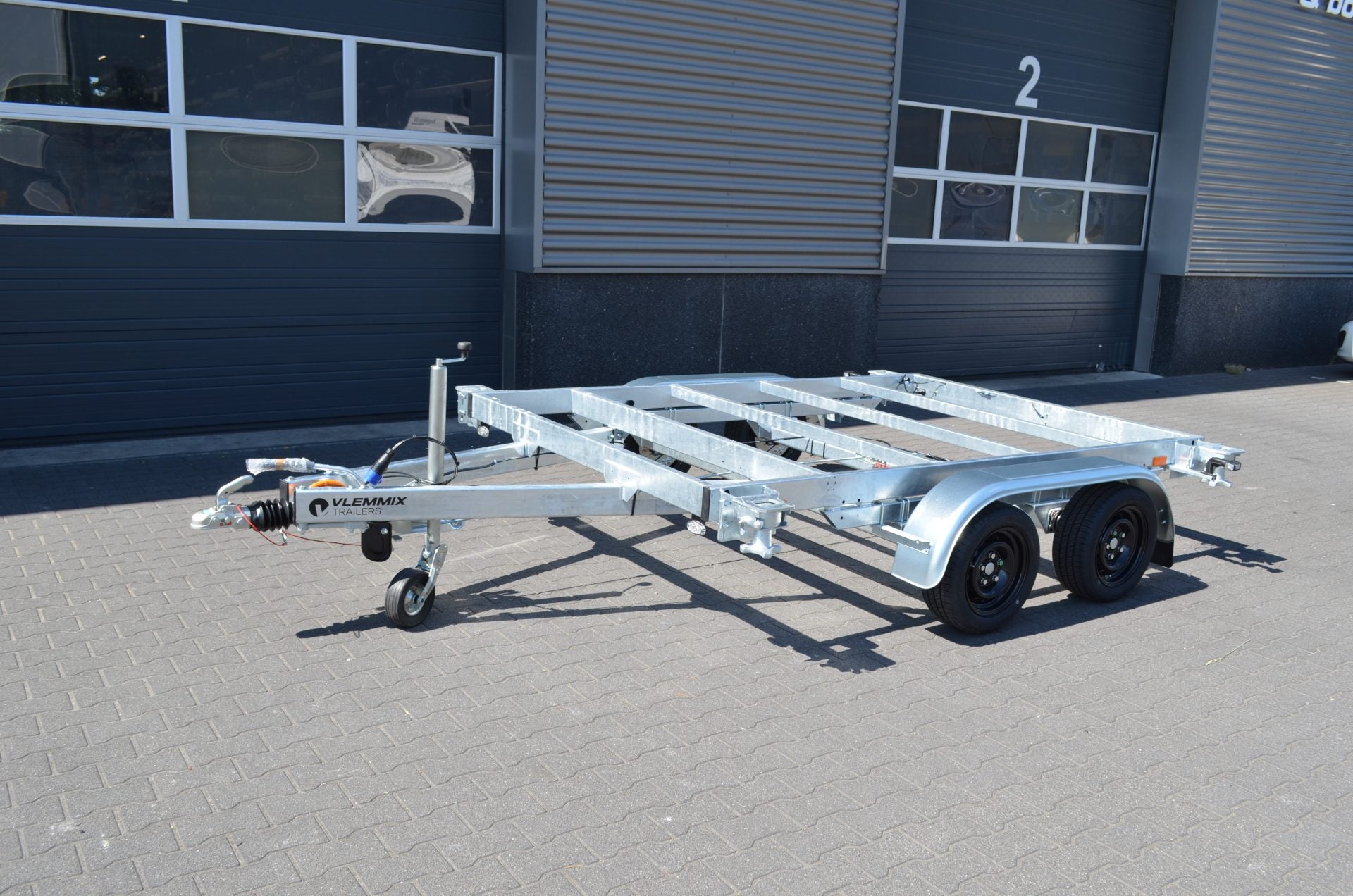
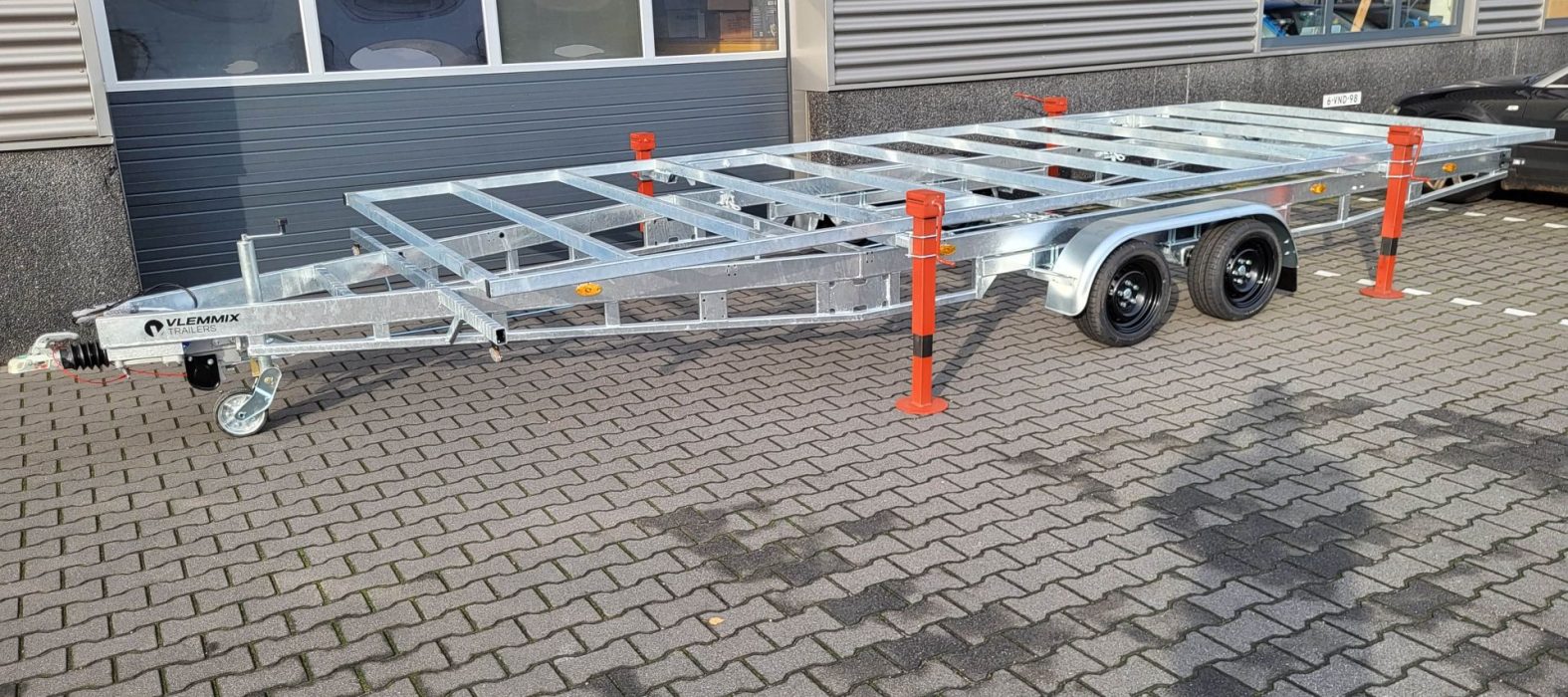
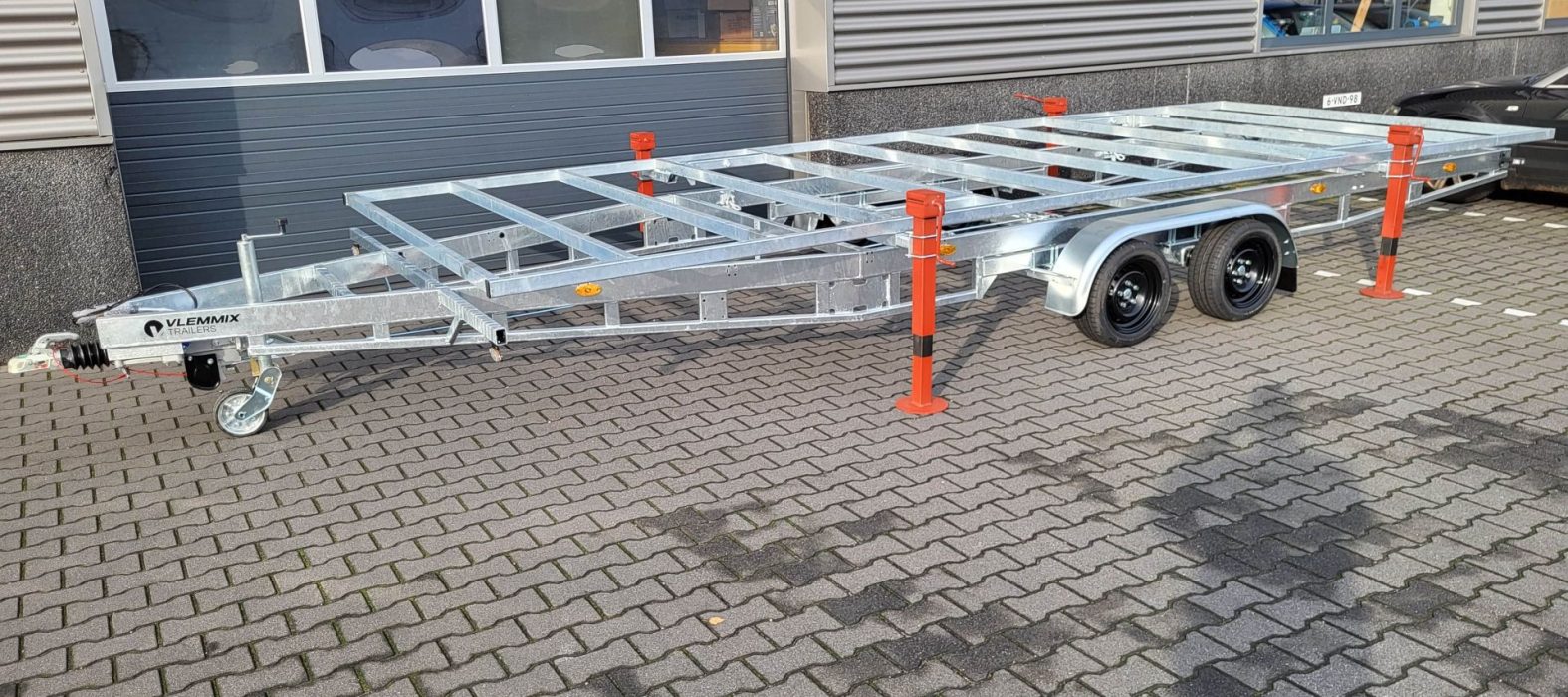
Storing the boat at home on a stand reduces this exposure and gives you control over its location at all times. This is the same approach that protects the hull from sun, cold, and osmosis throughout the year. The equipment for this includes boat cradles and boat storage trailers, and options by length are found in nautical trailers.
It's not that storing the boat at home replaces insurance, because liability insurance is still mandatory. But reducing the risk of theft and damage is good in itself and aligns with a more tailored insurance policy. If you also add the savings from mooring, storing it dry is a decision that makes sense from several perspectives.
Voluntary coverages worth considering
Beyond the distinction between liability and all-risk, there are specific coverages worth considering depending on your navigation. Sea assistance (towing to port if your engine fails) is one of the most useful and appreciated when needed. Occupant coverage protects your crew beyond third-party liability.
Others to consider are outboard motor theft and electronics, especially if you store the boat away from home; coverage for the trailer when transporting the boat by road; and extended legal defense. Not all are necessary for you, but it's good to know they exist so you don't discover a gap in coverage just when an incident occurs. Read the exclusions as carefully as the coverages.
Common boat insurance mistakes
The first is navigating without valid liability insurance. It's an infraction and, worse, it leaves you paying out of your own pocket for third-party damages, which can be enormous. Check validity before each season.
The second is sticking to only the minimum for a valuable boat. Liability insurance doesn't cover your vessel, so a fire or theft without all-risk is a total loss at your expense. Adjust coverage to the real value.
The third is focusing only on the price. Two cheap policies can have very different limits and exclusions. Compare coverages, deductibles, and navigation areas, not just the premium.
The fourth is not reporting changes. If you change boats, engines, or usage (e.g., you start renting it out), inform the insurer; navigating outside the policy's terms can leave you without coverage.
Frequently asked questions
Is boat insurance mandatory in Spain?
Yes. Third-party liability insurance is mandatory for pleasure crafts according to Royal Decree 607/1999, both when navigating and when moored in risky situations. Navigating without it is an infraction and leaves you exposed to paying for damages to third parties.
What does mandatory insurance cover?
Third-party damages: death or personal injury, material damages, resulting economic losses, and damage to other boats due to collision, in addition to defense costs. It does not cover your own boat; for that, you need voluntary coverages.
How much does mandatory liability insurance cover?
Up to €120,202.42 per victim and a maximum of €240,404.84 per claim for personal injury, plus applicable limits for material damages. You can extend these amounts with voluntary coverages for an additional premium.
Is all-risk insurance worth it for me?
It depends on the value of your boat and how much you use it. All-risk covers your own vessel (damage, theft, fire, assistance), which liability does not include. For a valuable or frequently used boat, it usually pays off; for a modest dinghy, perhaps not.
What determines the price of insurance?
The boat's length, power, value, and area, its usage, and the type of policy. Liability alone is cheap; all-risk scales with what you insure. A claims-free history and storing the boat in a safe place help adjust the premium.
Does insurance cover the boat when I tow it on a trailer?
It depends on the policy. Some all-risk coverages include road transport on a trailer, but not all, and sometimes it's a separate coverage. If you plan to move the boat frequently, expressly confirm this with your insurer to avoid discovering a gap after an accident on the highway.
Do you want to store your boat at home, reduce the risk of theft and damage, and save on mooring fees? Check out our boat trailers and we'll help you choose the right support for your length, without obligation.