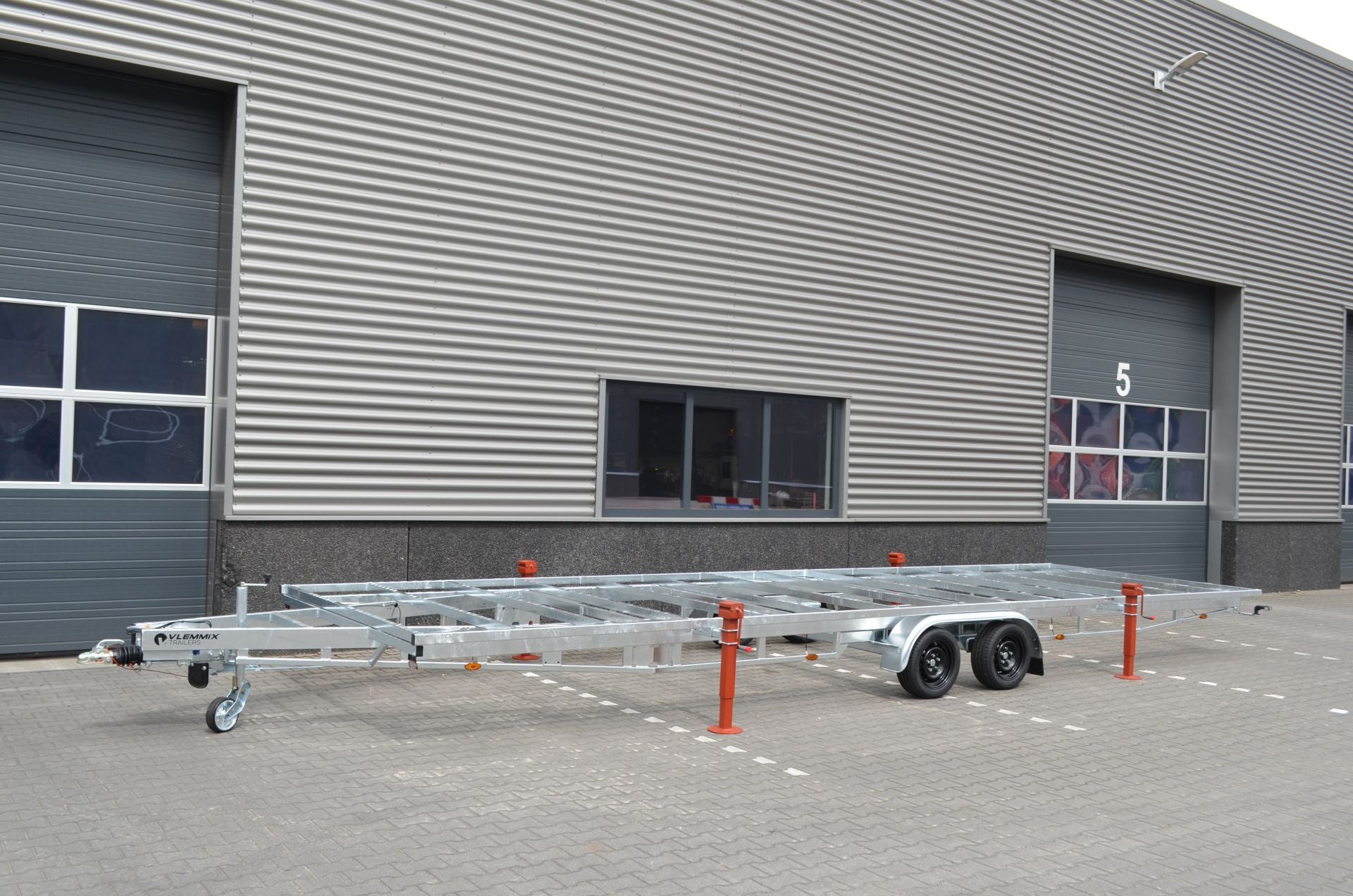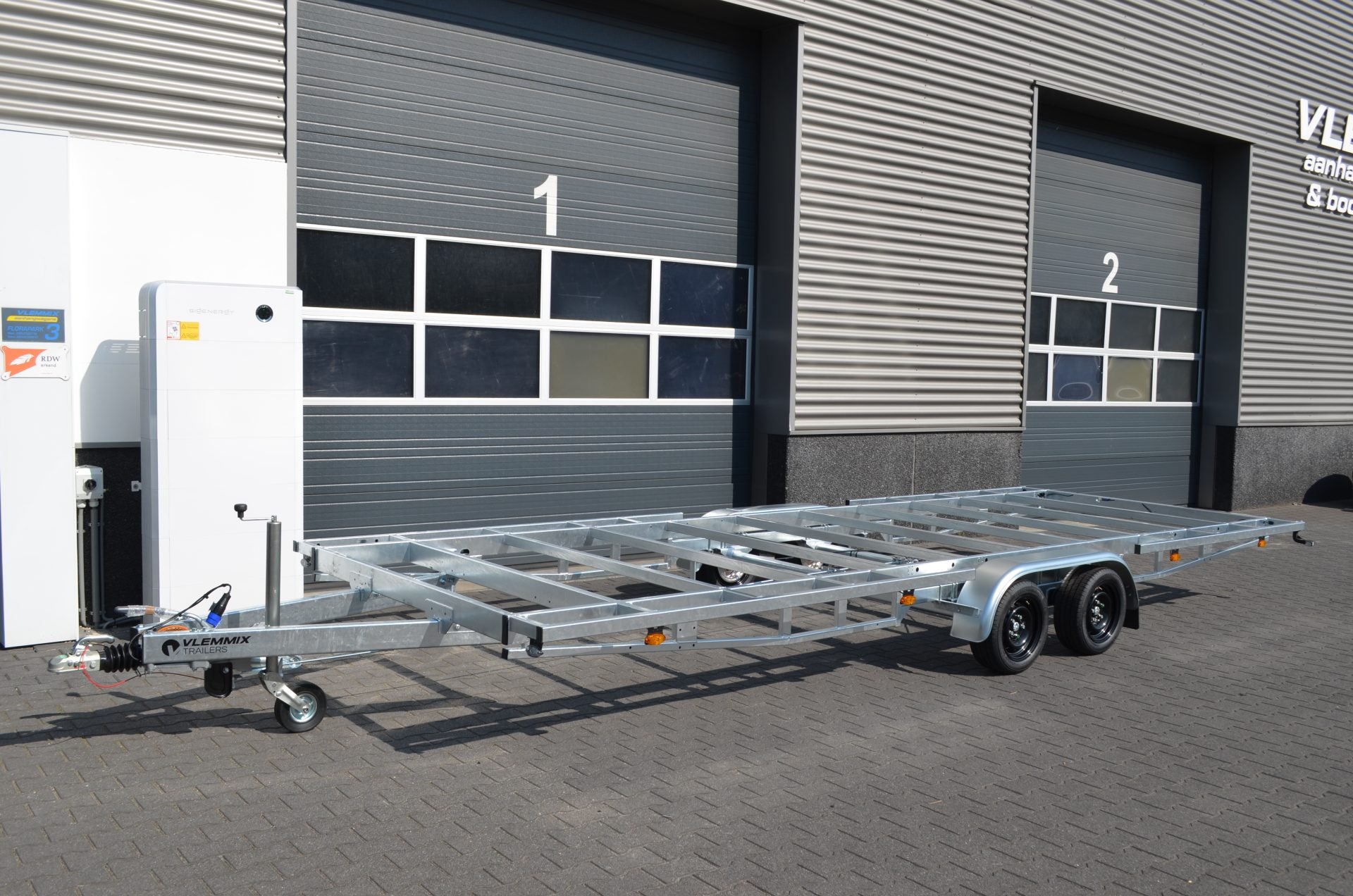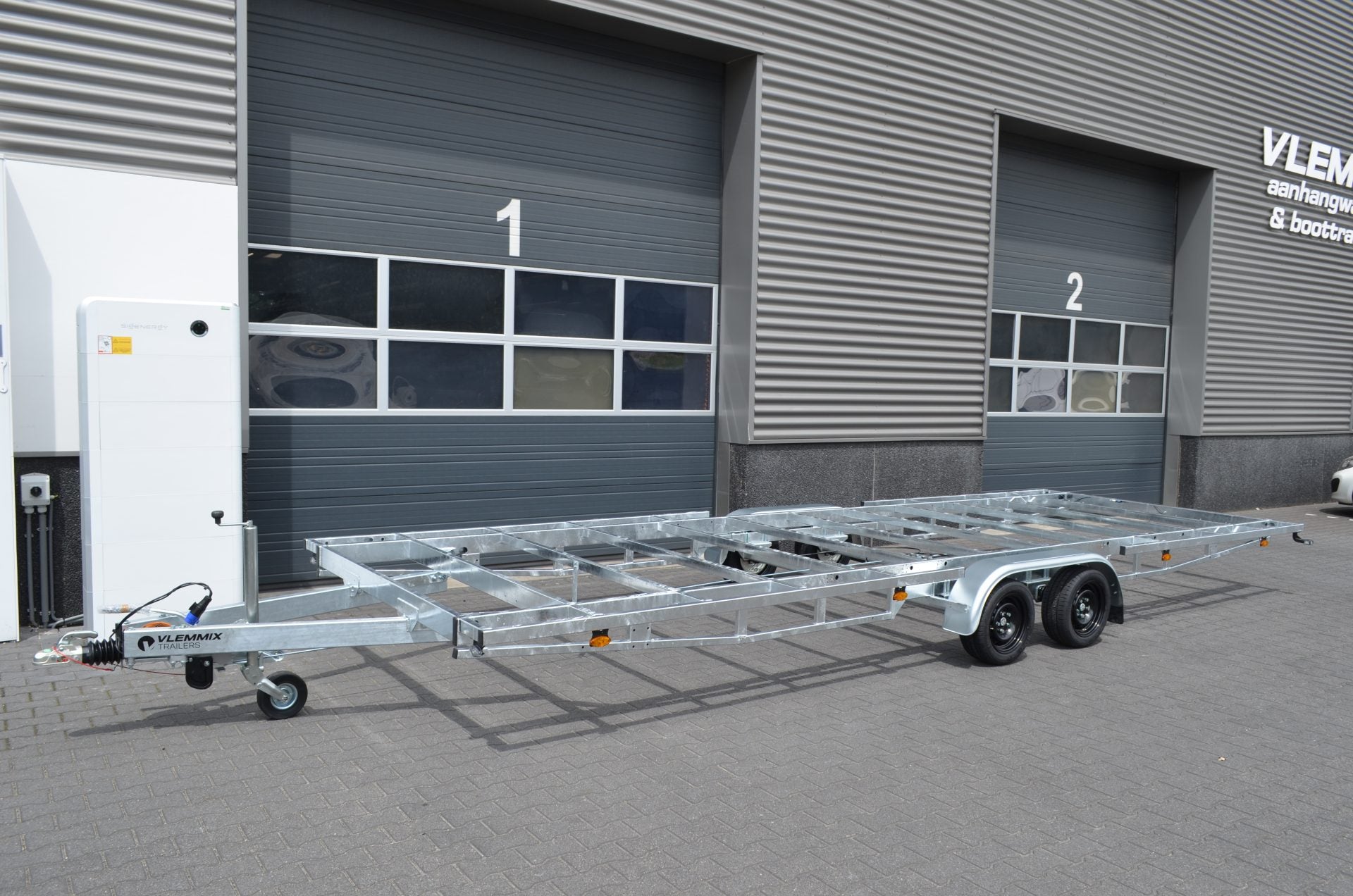

A clear guide to choosing wisely in Spain
There are many things to consider when choosing the right trailer, so here's the perfect guide to selecting the ideal trailer for your boat. First, it's important to understand that moving a sailboat by road raises a common question among recreational boat owners: what trailer is needed to transport it safely and legally? This scenario is frequently repeated in marinas, boatyards, and boat ramps. Someone buys a trailer that "seems adequate" only to discover later that it can't support the boat's weight, doesn't comply with regulations, or the whole setup is unstable on the road.
The right decision requires analyzing several factors at once. Sailboat weight, length, keel type, towing vehicle and current DGT regulations They are all part of the equation. When one of these elements fails, problems arise ranging from administrative penalties to structural damage to the hull during transport. Choosing a boat trailer is not an impulsive purchase; it's a technical decision that affects every boat movement.
How to choose the right trailer for your sailboat
Choose a sailboat trailer Always start with the boat's technical specifications. The weight in running order, the overall length with rudder or platform, the beam, and the type of keel determine what frame and support system are needed. On sailboats with a fixed keel, the trailer must include a robust central support to bear the main weight of the keel, along with adjustable side supports that stabilize the hull without concentrating pressure on sensitive areas of the fiberglass.
On boats with With a retractable keel or centerboard , the design allows for greater flexibility. Multiple roller systems or adjustable cradles facilitate load distribution and simplify launching from ramps. Practically speaking, it's advisable for the trailer to be slightly longer than the hull. This margin allows for proper adjustment of the center of gravity of the vehicle , something that directly influences stability when driving on the highway or tackling tight curves.
The second filter is weight. This is where the MMA (Maximum Authorized Mass) of the trailer, as outlined in the General Vehicle Regulations. The trailer must be able to support the weight of the sailboat, plus fuel, batteries, mast, sails, and additional equipment. Driving near the limit is not recommended. Accident reports from the Directorate General of Traffic continue to indicate the overload and inadequate speed as factors present in incidents involving trailers. Furthermore, it's advisable to check which trailers you are allowed to tow with your driver's license , because the legality of the combination also depends on the driver's permit.
Legal requirements in Spain for towing sailboats
Before comparing models or prices, it's important to understand how Spanish regulations work. General Vehicle Regulations (Royal Decree 2822/1998) It establishes two main categories of trailers according to their maximum authorized weight.
The light trailers up to 750 kg GVWR They do not require their own registration or separate insurance. They must display the same license plate as the towing vehicle and comply with the homologation requirements for lighting, signaling, and chassis. This type of trailer is commonly used for small training sailboats or light vessels up to approximately five meters in length.
When the trailer exceeds 750 kg, it becomes Heavy trailer . In that case, it needs its own registration, insurance, and specific technical data sheet. It must also pass regular vehicle inspections (ITV). Many recreational sailboats exceed this weight limit when the hull, keel, rigging, and equipment are included, so it's common for the trailer to be registered from the outset.
The driver's license also influences the choice. With the With a category B license , the combined weight of the car and trailer cannot exceed 3,500 kg. If the total weight reaches 4,250 kg, a category B license is required. B96 , while for higher figures the B+E license . The regulations are not a bureaucratic formality; operating a heavy vehicle requires greater maneuverability and inertia control.
Trailer dimensions and vehicle compatibility
Dimensions also affect the legality of transport. In Spain, the maximum permitted width for vehicles and trailers without special authorization is 2.55 meters . If the sailboat has a generous beam, the trailer must support the hull without exceeding this limit. In exceptional cases, specific permits can be obtained, although this is not common in recreational boating.
An excessively wide trailer complicates driving. It reduces visibility in the rearview mirrors, necessitates the installation of additional mirrors, and increases the feeling of instability when trucks are driving nearby or when there is a crosswind. For this reason, it is important to size the trailer precisely, avoiding unnecessarily oversizing it.
Car compatibility is the last step and one of the most overlooked. Each vehicle's technical specifications indicate the... Maximum towing capacity with and without brakes . Many passenger cars can tow between 1,200 and 1,500 kg, while SUVs and off-road vehicles frequently exceed 2,000 kg. This limit is set by the vehicle manufacturer and must always be respected, even if your driver's license allows for more weight.
Types of sailboat trailers and which one is the best fit
Choosing the right trailer isn't just about aesthetics. Each sailboat requires a different type of trailer depending on its weight, keel, and how often it's transported. A common mistake is selecting the cheapest model without considering whether its structure and supports are designed for a sailboat hull.
Single-axle trailers for lightweight sailboats

The single axle trailers They are agile, easy to move by hand, and more economical. They work well with small, lightweight sailboats with retractable keels. They are also practical when transport is only needed a few times a year, for example, to take the boat to the boatyard at the beginning or end of the season.
However, it's best not to get too close to the maximum approved weight. When the trailer is working at its limit, any bump or sudden braking increases the stress on the frame. Stability depends heavily on load distribution and smooth driving.
Two-axle trailers for medium-sized sailboats

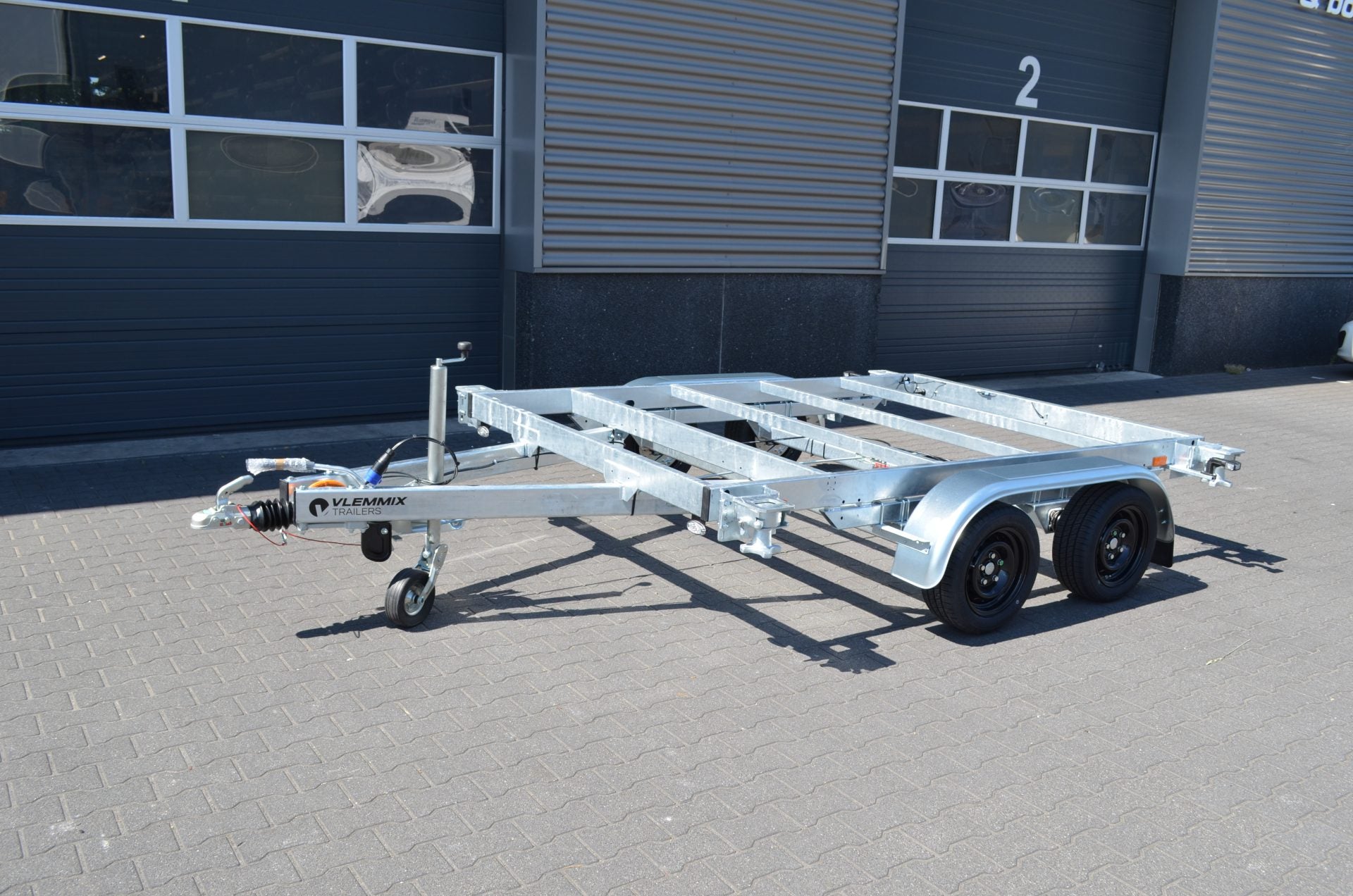
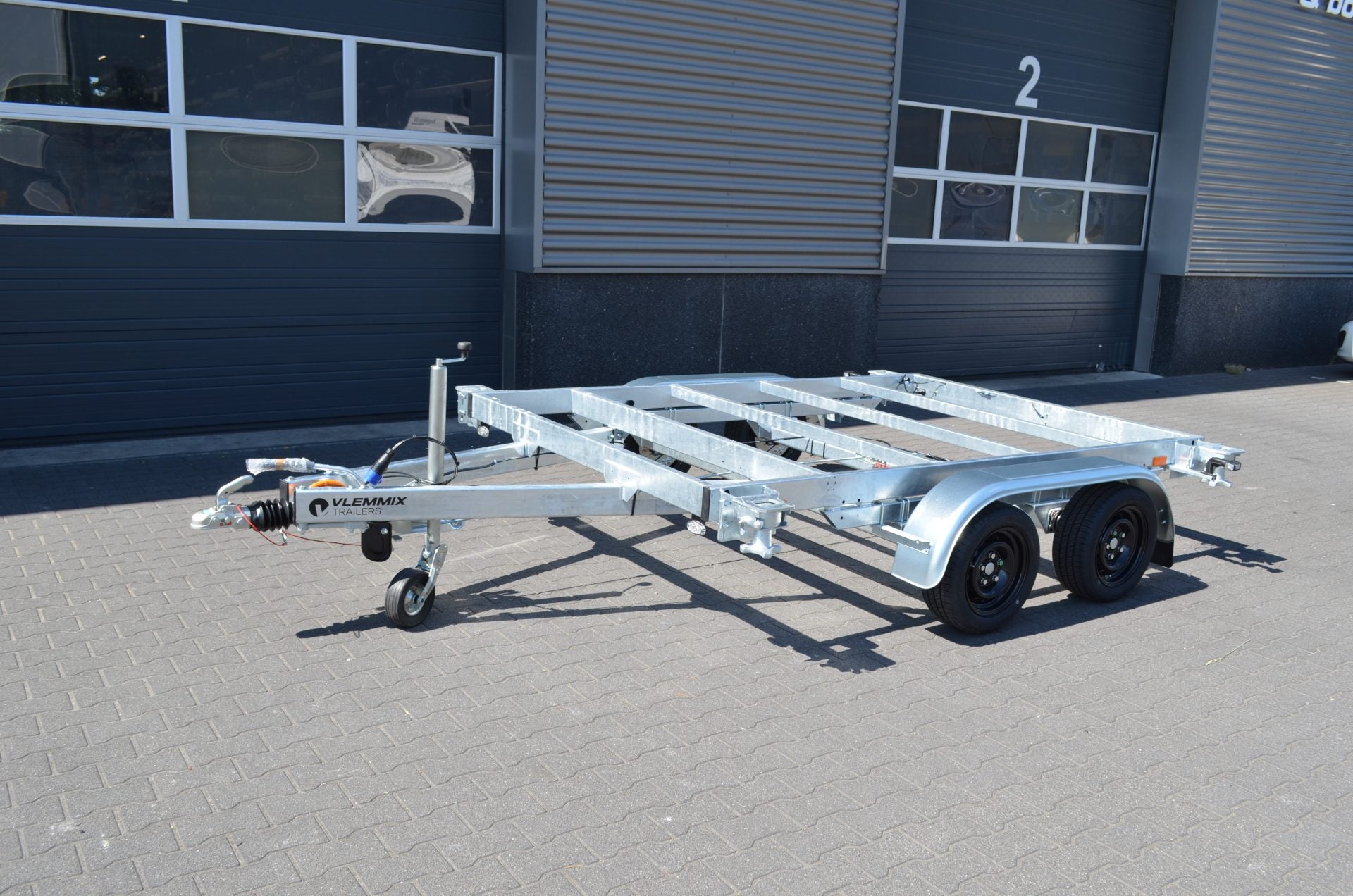
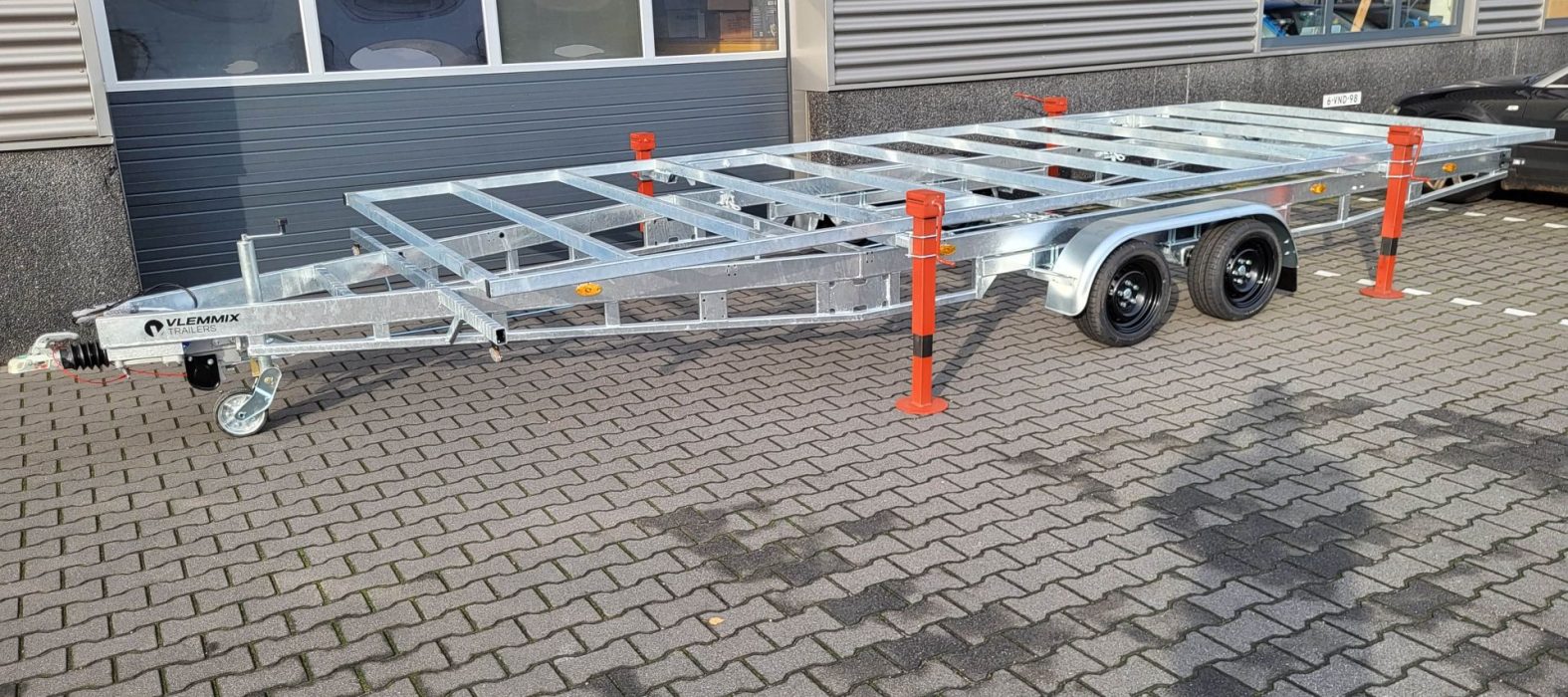
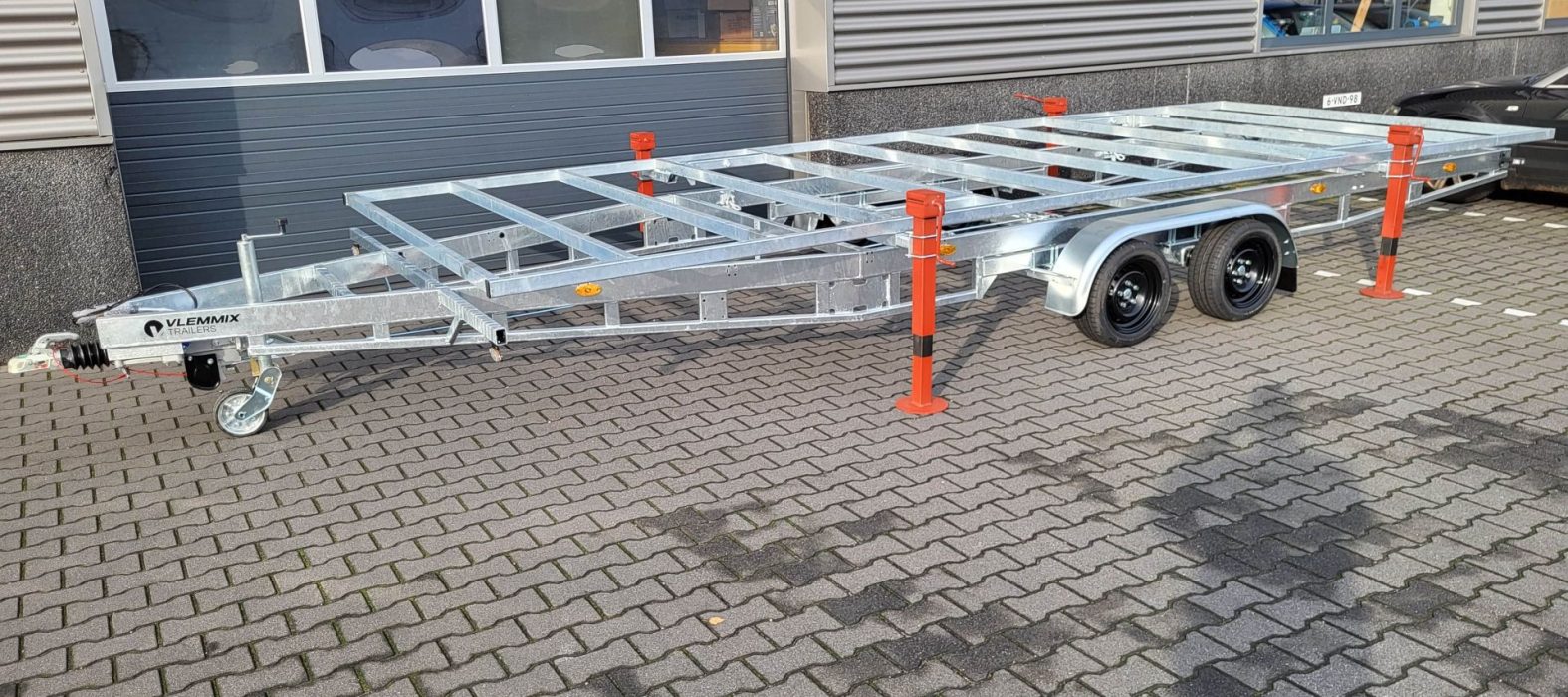
When the sailboat gains weight or height, the double axle trailer This becomes the most balanced option. Load distribution is significantly improved, cornering is more stable, and tire wear is reduced. That's why it's the standard configuration for medium-sized sailboats used for recreational boating.
Braking is also more progressive thanks to the weight distribution between the two axles. The disadvantage appears when maneuvering in tight spaces, where a bit more experience is required. Even so, for frequent journeys on highways or motorways, they offer far superior stability.
Trailers with rollers, cradles and keel support

Beyond the number of axles, what's important is how the hull is supported. multiple roller systems They facilitate launching and beaching on ramps. They reduce friction and allow the boat to enter and leave the water with less effort.
On sailboats with a pronounced keel, a A central keel support combined with adjustable side cradles distributes the main weight onto the keel, while the side cradles stabilize the hull. Properly adjusting these supports is crucial. If the trailer presses on weak areas of the hull, deformations may appear over time.
Technical equipment that makes the difference
In Spain, many trailers use saltwater ramps several times a year. This is where the real answer to the question of how long a car trailer lasts is found. There are technical details that seem minor until the trailer starts working properly. The first is the Galvanizing the frame . In marine environments, where the trailer comes into contact with salt water several times a year, hot-dip galvanizing extends the lifespan of the structure.
It's also important to pay attention to the brakes. For vehicles with a maximum authorized mass (MMA) of 750 kg and above, regulations require... Inertia brakes are a system that activates when the trailer pushes against the drawbar during vehicle braking. According to data from the Ministry of Transport and Sustainable Mobility (MITMA), this system reduces the overall braking distance and improves stability on long descents.
Other important elements are the Safety cable, bow winch, and watertight electrical system . On boat trailers, it is common practice to remove the light bar before launching the trailer to prevent corrosion of connectors and bulb holders.
Common mistakes when choosing a sailboat trailer
One of the most common mistakes is buying a trailer based solely on the boat's length. Two sailboats of the same length can differ by hundreds of kilos depending on their design or the keel material. Weight is the key factor.
The height of the structure is also underestimated. mast poorly secured or poorly supported It can act as an additional sail during transport. Lateral gusts affect the trailer's handling and require a reduction in speed.
Another common mistake is neglecting maintenance. The Traffic Division of the Civil Guard frequently detects trailers with Faulty lights, worn tires, or misadjusted brakes are preventable faults that increase road safety and can lead to fines.
What to check before transporting a sailboat by road
Preparing for the move with a quick prep check prevents most problems. It's a good idea to check the trailer tire pressure, inspect the condition of the straps, and make sure all the lights are working properly.
It's also advisable to do a short test run before embarking on long journeys. If the combination is well-balanced, the trailer will move smoothly and won't transmit any sudden movements to the vehicle. If swaying or vibration occurs, it's a sign that the weight distribution needs adjusting.
When the trailer enters salt water, a wash with fresh water at the end It extends the life of brakes, axles, and bearings. Marine corrosion acts quickly, and regular maintenance makes the difference between a long-lasting trailer and one that deteriorates in just a few seasons.
Professional advice when choosing a boat trailer
Properly sizing the combination of car, trailer, and sailboat prevents legal and technical problems. When in doubt about weights, homologations, or support configurations, it's best to consult with specialists.
In trailer.es We advise boat owners on choosing the trailer that best suits their sailboat and current Spanish regulations. We analyze weight, hull type, compatibility with the towing vehicle, and documentation requirements.
Furthermore, we offer a wide range of precision-engineered boat trailers designed to safely transport sailboats. Choosing the right trailer from the start protects your boat, helps you avoid fines, and allows for worry-free travel on every road trip.