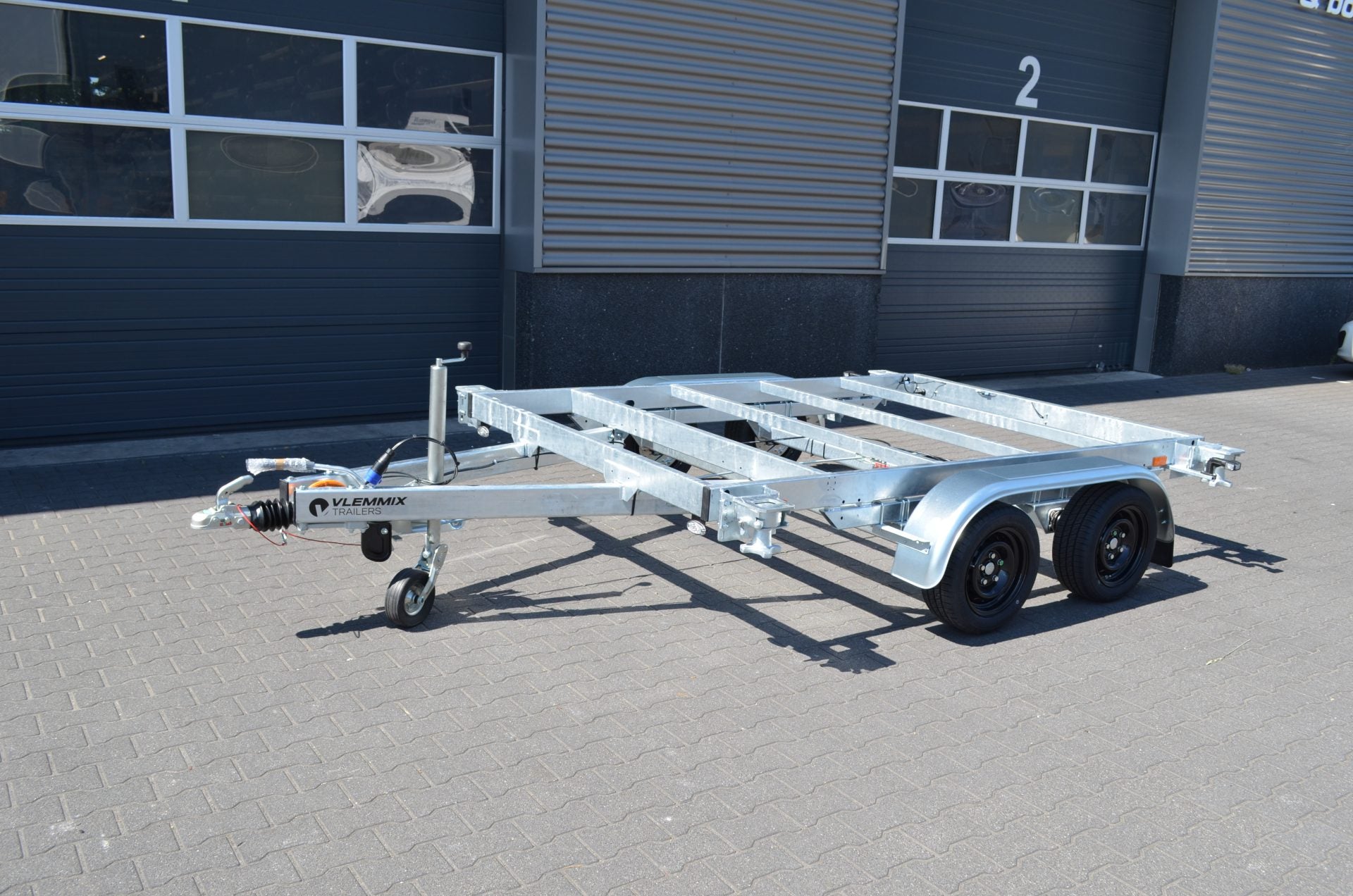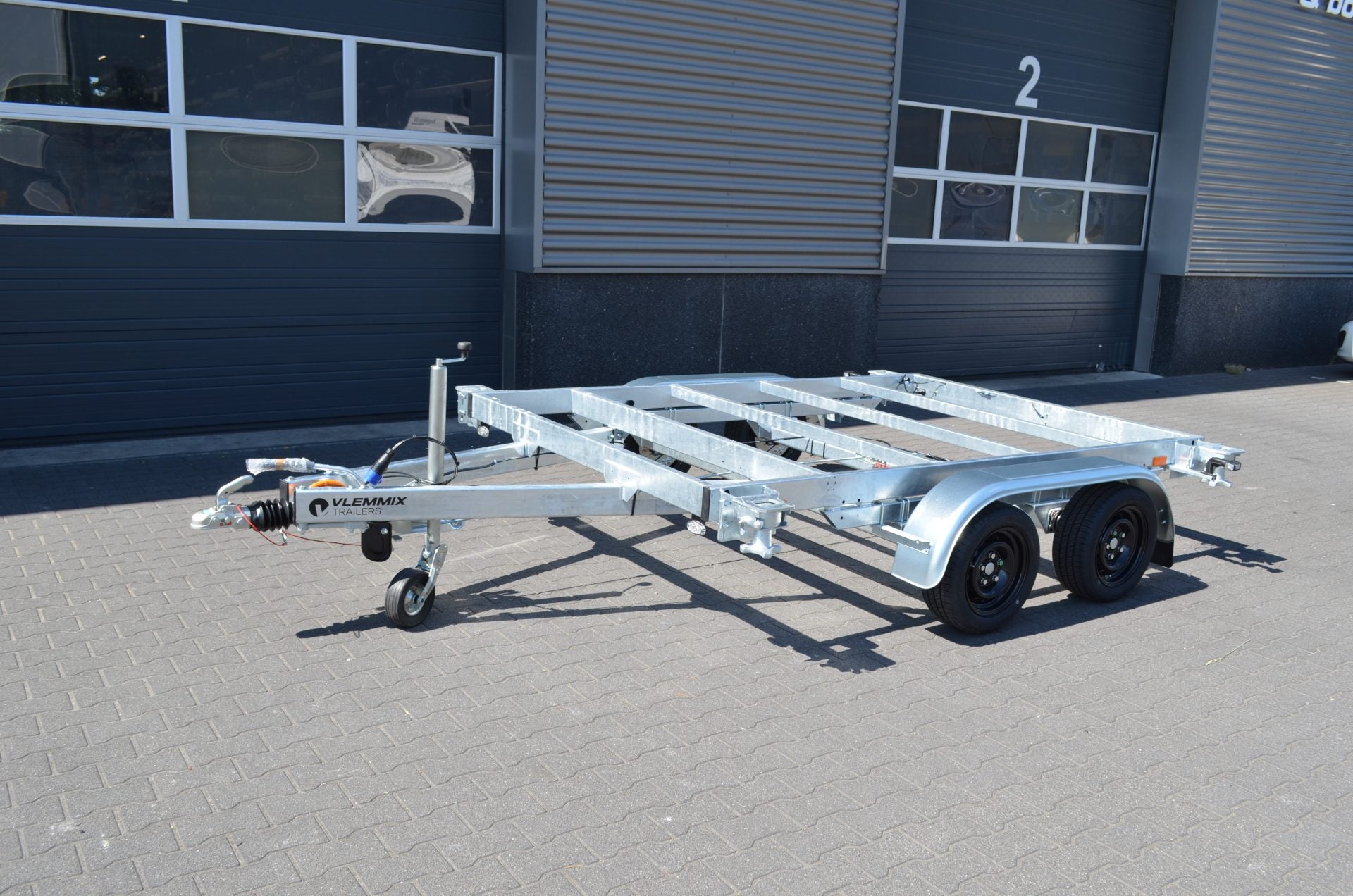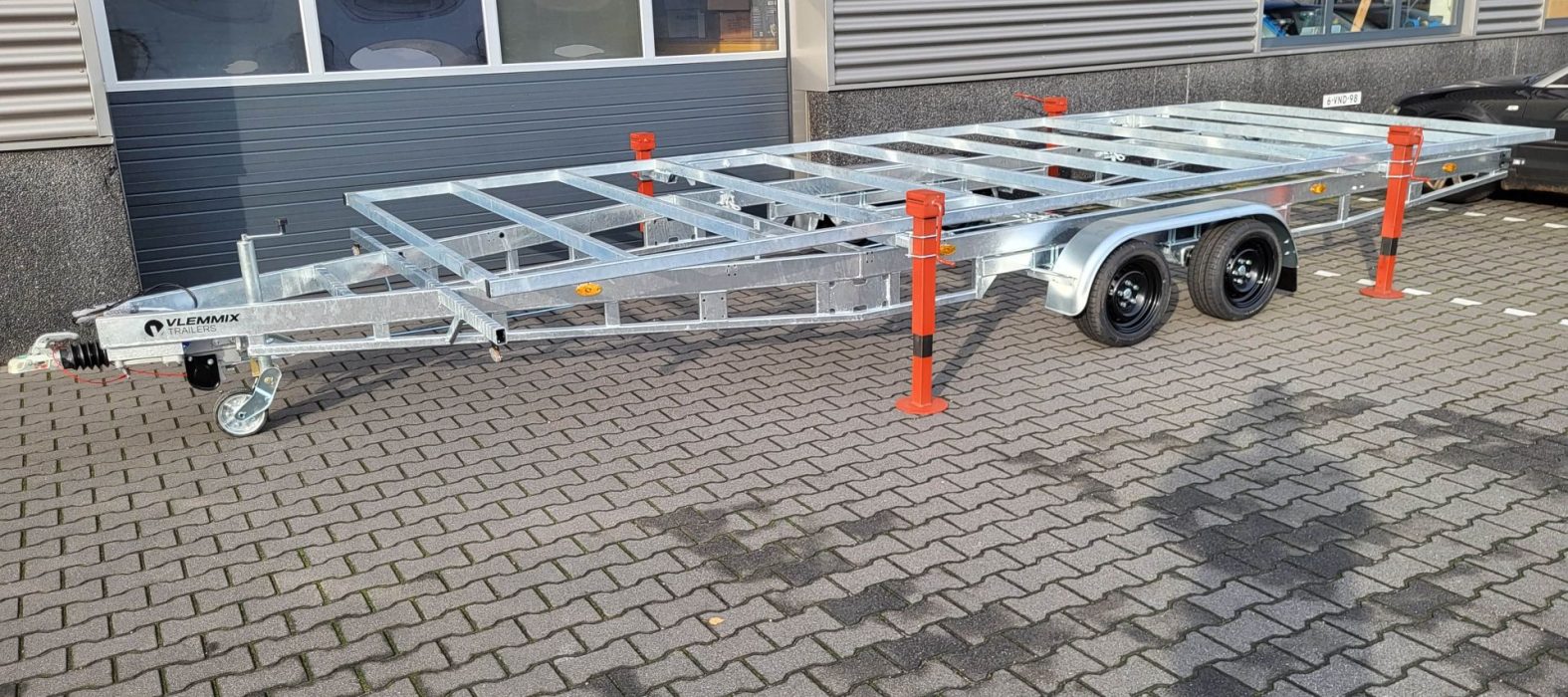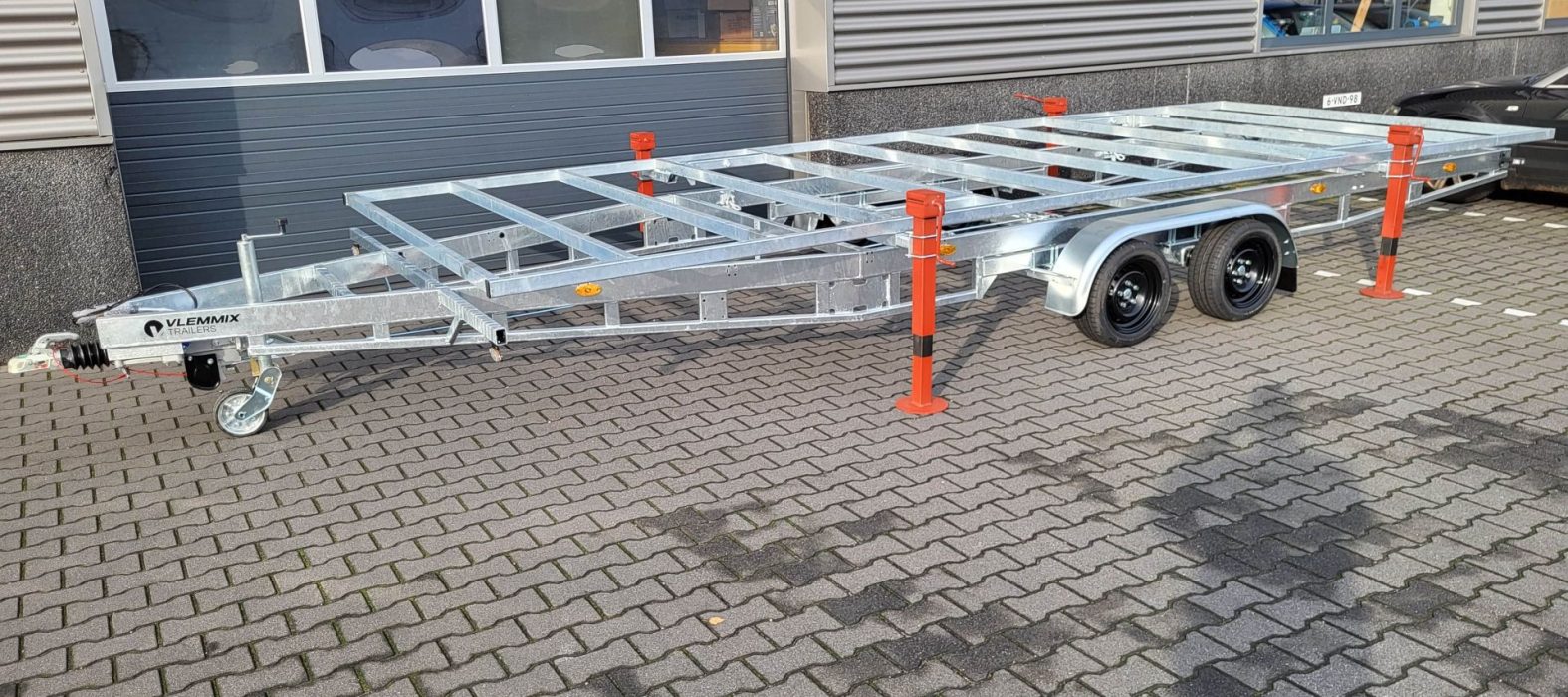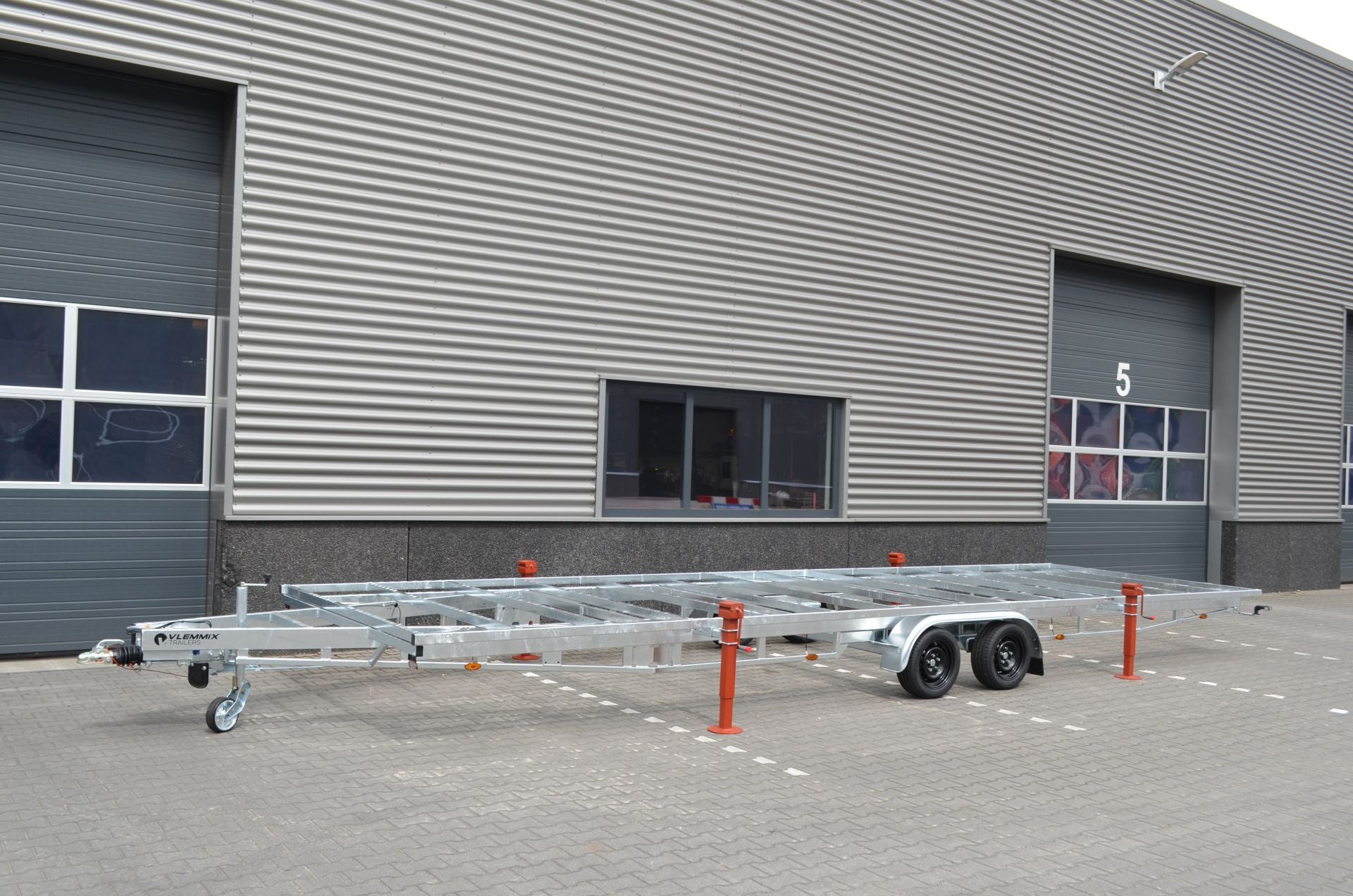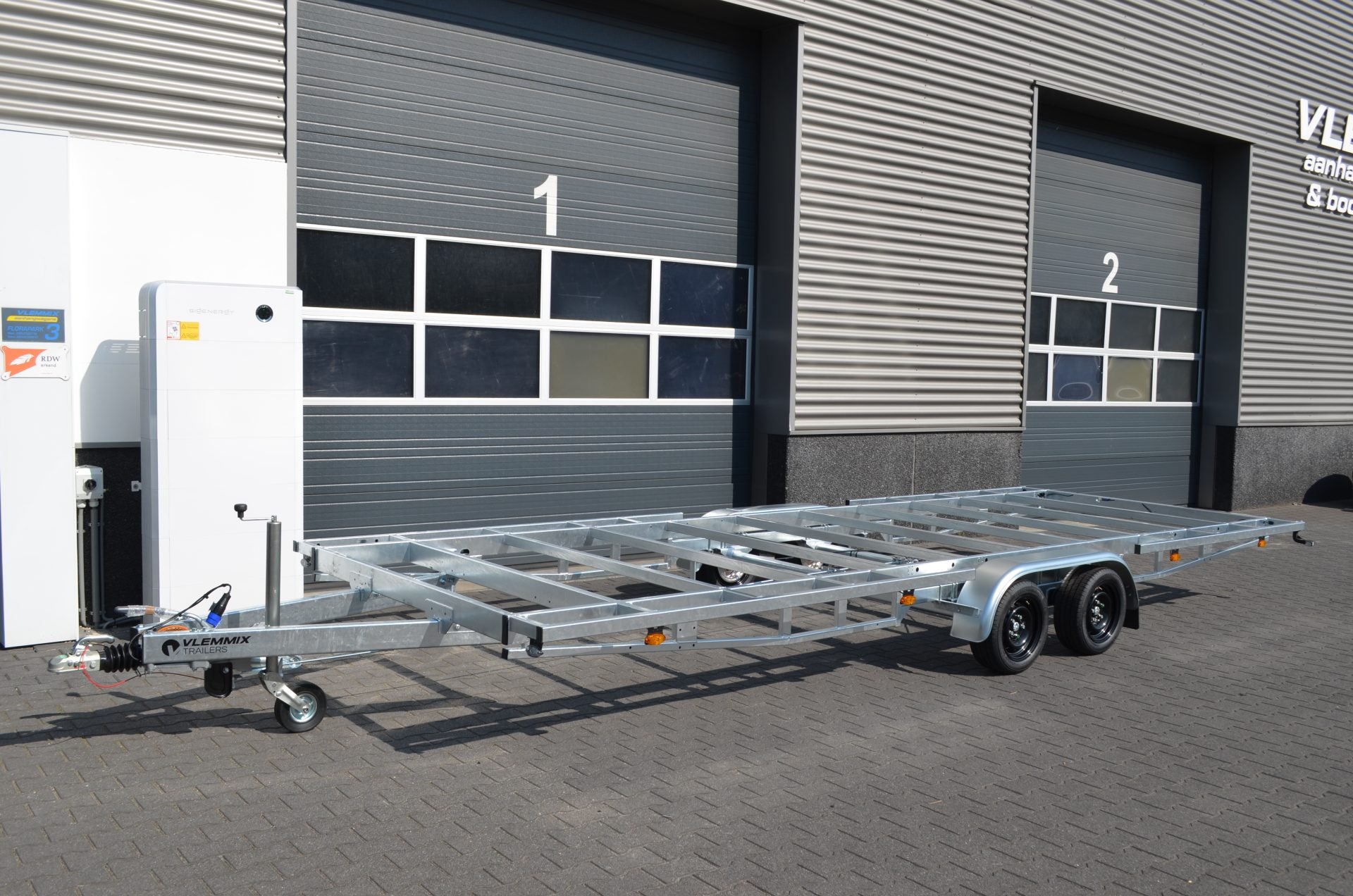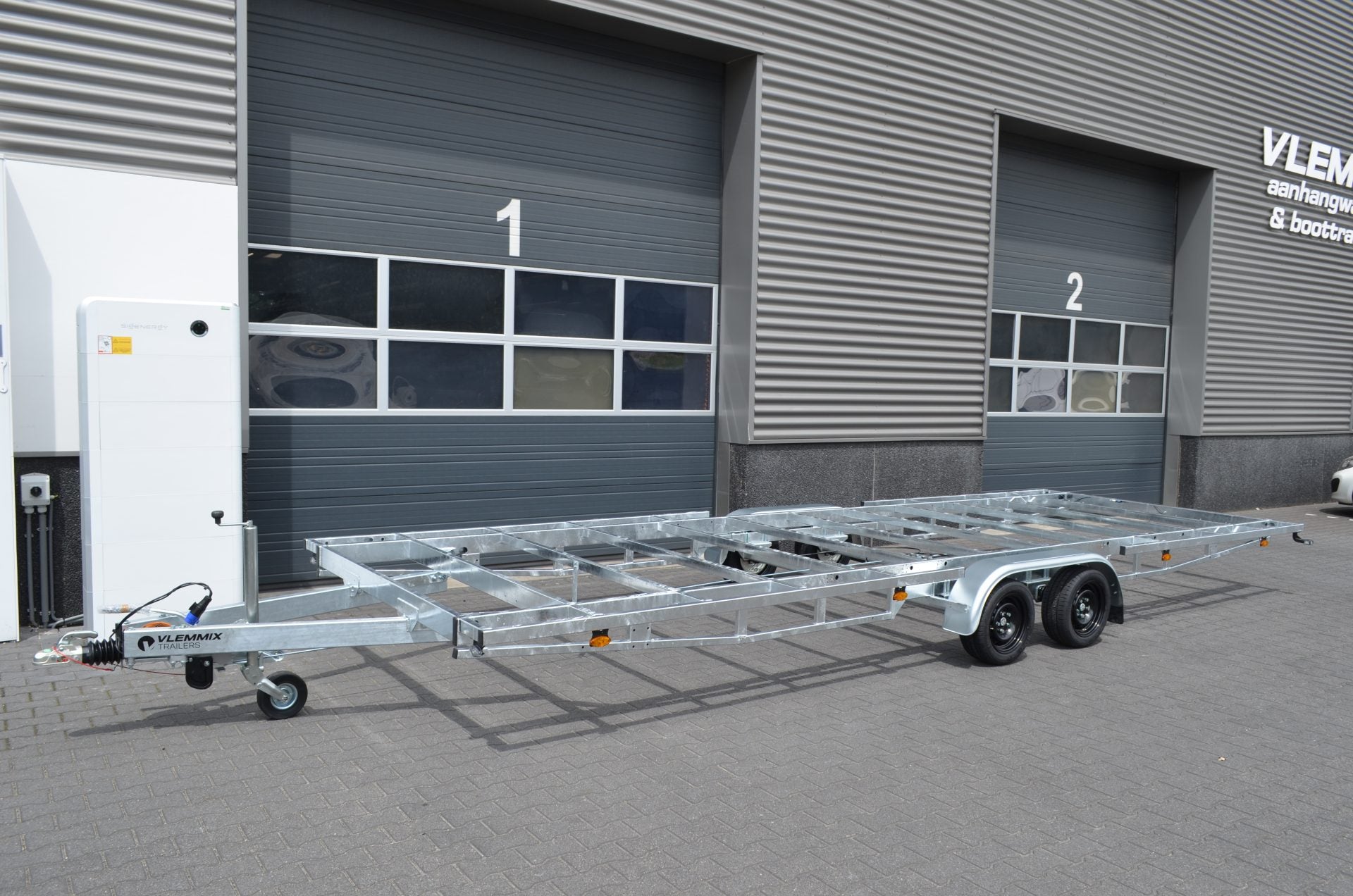

Anyone who tows their boat on the salty sea knows its worst enemy: rust. It starts with a discreet stain on the hull, and before you know it, there are seized screws, bearings that sound like gravel, and brakes that won't return. It stops being just an "aesthetic" problem. Corrosion weakens the structure and can eventually affect the Road safety is what really matters when you're following a group of cars at 90 km/h. The good news is that accidents can be stopped and, in many cases, avoided. There's no need to become obsessive, but method and consistency are key.
In a boat trailer, salt gets in where you least expect it: inside profiles, at joints, and on components that should be protected. The typical mistake is relying solely on galvanizing. A galvanized trailer is more resistant, yes, but it's not immune. What separates a trailer that lasts for years from one that deteriorates in two seasons is usually a simple routine: washing, drying, inspecting, and protecting critical points.
Why does rust appear on a boat trailer?
Rust appears when metal comes into contact with Water and oxygen . With salt water, the process accelerates because the salt acts as a catalyst, and it also gets into joints and crevices where fresh water can't easily reach. Every time you go down the ramp, the trailer is showered with splashes that end up on welds, bolts, and contact surfaces. And corrosion, when it starts, isn't always visible on the outside. It can be advancing inside a profile, working silently, until one day you notice the paint peeling as if it were bubbling.
There is another factor that accelerates the disaster and almost no one takes it into account, and that is... Thermal change . After driving, bearings, hubs, and brakes are hot. If you suddenly plunge the trailer into cold water, a contraction effect occurs that can allow salt water to seep into sensitive areas. That's why some trailers that appear well-maintained still end up with worn bearings prematurely. It's not bad luck: it's physics plus lack of washing. It's worth remembering that maintenance and trailer selection go hand in hand: a well-sized structure with proper finishing ages much better. If you're reviewing options or want to make the right choice from day one, here's a tip. Guide to buying boat trailers with practical criteria for choosing the right model.
One final detail that triggers everything is impact. A curb, a rock on the ramp, a poorly positioned support, or a maneuver that scrapes the chassis. That small scratch breaks the protective layer of galvanizing or paint that extends the trailer's lifespan if you're navigating in saltwater and creates the starting point. If left untreated, rust will take hold.
Which parts are most susceptible to corrosion on a boat trailer
Not everything rusts at the same rate on a boat trailer. Some parts are literally "made of salt," and if they fail, you'll be stranded. The chassis and welds suffer from direct exposure, but the most serious problems usually start in moving parts: Axles, bearings, brakes, screws, and wiring . These are components that operate within tolerances, and when they become rusty or seized, the assembly no longer functions smoothly.
Hollow profiles and corners are perfect traps: they accumulate water, sand, and salt. Taillights are constantly splashed and end up with corroded connectors. Fasteners are another classic problem: they seem like a minor detail until you need to take something apart and discover it's "welded" by corrosion. If rust reaches the brake system or bearings, we're no longer talking about preventative maintenance: we're talking about safety and the risk of breakdowns on the road. And if you're interested in long-term planning, it's useful to know how long a trailer can last with proper care, because that's where you see the real impact of routine use. To learn more about this, you have this guide on How long does a boat trailer last? and what factors accelerate or slow down its wear and tear.
Furthermore, nautical use takes its toll on trailers beyond visible rust. Constant vibration, load changes, ramps with steep inclines, and sharp turns cause micro-cracks in certain areas. If these micro-cracks are combined with salt, the corrosion process accelerates.
Washing after each launch is the habit that gives the trailer the most life.
The most important step is also the simplest: wash the trailer with fresh water After every use in saltwater, rinse thoroughly. And let's be honest: a 30-second rinse won't do. The key is a thorough wash, paying special attention to where the salt gets trapped. Start at the bottom and work your way up, because that's where the salt soaks in the most. Pay attention to axles, brakes, rollers, brackets, and joints. If your trailer has a built-in axle rinse, always use it: it's designed to extend the life of expensive components.
A very common mistake is using a high-pressure washer recklessly. With too much pressure, you can push water where it shouldn't go, especially near seals and bearings. Moderate pressure and patience are best. And after washing, do something that sounds silly but works: move the trailer a few meters so the water doesn't always pool in the same spot. Salt isn't harmful when it dissolves and washes away; it's harmful when it stays and dries.
The worst habit is putting it off: “I’ll wash it at home.” When you get there, you’re tired, it’s late, and the salt has already started its work. If you can, wash it near the point of sale or as soon as you get home. You’ll notice the difference after a season.
Drying and protection: which products help and which make things worse
Once washed, the second step is drying. There's no need to use an industrial dryer, but it's essential to let it drain thoroughly. If you can store it in a well-ventilated area, even better. Trapped moisture is fuel for corrosion. And here's where many people go wrong: applying grease or lubricants just about anywhere "just in case." On a boat trailer, sand sticks to anything sticky. So, you need to be selective.
On exposed screws, hinges, brackets, and specific metal points, lightweight, thin-film anti-corrosion protectors work well. In brake areas, avoid products that could contaminate the system. On rollers and supports, be careful what you apply, as it can attract dirt or stain the hull. If small rust spots appear, the worst thing you can do is ignore them: you must sand, clean, and apply a treatment compatible with the original coating. Waiting to see if it stays there usually ends up spreading.
What's superficial today could be eating away at the metal underneath tomorrow. Early intervention is cheap. Late intervention is costly.
Galvanizing, painting and coatings: what really protects and what's just marketing
Hot-dip galvanizing is the most durable option for marine applications. Zinc acts as a barrier and is also more resistant to corrosion than steel. This means it withstands the rigors of life near the sea much better. However, galvanizing doesn't mean it's indestructible. A dent that removes material, a deep scratch, or a poorly protected drill hole will create an opening for rust. If the trailer is used frequently on ramps and in saltwater, this wear will appear sooner.
On painted trailers, vigilance needs to be even stricter. The paint protects while it's intact. As soon as it chips at a corner or edge, rust takes hold. Visual inspections aren't just a habit; they're a necessity. What works is checking vulnerable points (edges, welds, joints) and touching them up promptly.
And if the problem is already inside a hollow profile, it's a big problem. The exterior might look acceptable, but internal corrosion is progressing unseen. That's why it's advisable to choose well-designed trailers with drainage and finishes specifically designed for marine use.
How to tell if rust is already a concern (and when to stop and check)
There are easily identifiable signs. The first: brown stains that grow, even after cleaning. The second: paint that bubbles or peels. The third: metal that starts to flake off when touched. If the chassis sounds hollow or you notice weakened areas, it's no longer a cleaning issue: it's structural. On axle mounts, hitch points, braces, and load-bearing parts, any advanced corrosion warrants a thorough inspection.
One indicator that shouldn't be ignored is the condition of the bolts. If they're too tight, disassembly becomes difficult, and that's when makeshift repairs begin. Making do with a trailer and load is not a good idea. It's better to replace parts before they leave you stranded.
Bearings and brakes: the heart of the problem in boat trailers
Bearings and brakes operate under the worst possible conditions: heat, saltwater, temperature fluctuations, and intermittent use. If they fail, the trailer doesn't give you polite warnings. It warns you with noise, vibration, or, more directly, a breakdown on the road. Regular inspection and lubrication make all the difference between a worry-free trip and ending up on the side of the road waiting for assistance.
There's a simple test that can help: after driving for a while, gently touch the rim or hub (without burning yourself). If it's too hot, something might be wrong: a dry bearing, excessive friction, or a worn brake. If you also hear a whirring noise or notice the trailer braking strangely, don't ignore it.
In trailers over With a maximum authorized mass (MMA) of 750 kg , the brakes are a critical point. This system suffers greatly when it gets wet and remains damp. Brake shoes, cables, and mechanisms can rust and lose smoothness. A check-up at the beginning of the season and another before summer is a reasonable minimum if you use the trailer frequently.
Electricity, pilot lights and connections: the silliest mistake that can cost you a fine
Salt doesn't just corrode metal; it also corrodes electrical connectors. The typical result is the classic: malfunctioning turn signals, flickering brake lights, or taillights that go out when you need them most. Besides the risk, you risk fines and a scare due to inadequate signaling.
The solution is inexpensive compared to the cost of a mechanical breakdown: check connectors, keep seals in good condition, and use dielectric grease on plugs and connections. And if you tow often, carrying a spare light or a basic repair kit is one of those things that can save you on a trip.
Storage: where many trailers get lost without moving
A trailer can rust more when stationary than when in use if it's stored improperly. Leaving it in the sun for months, on damp soil with salt residue, is a recipe for deterioration. Ideally, it should be stored clean and dry, on a firm surface, and preferably under cover. When it's going to be stored for an extended period, avoid resting the boat on top of it, even if the chassis is under load, unless absolutely necessary.
Be careful not to cover it with tightly sealed plastic: it traps moisture and accelerates corrosion. A breathable tarp or a well-ventilated area is better. Stagnant moisture is rust's best friend.
Driving and use: rust can also be stopped with good maneuvers
Proper towing also means taking care of the equipment. Avoiding curbs, rocks, and steep ramps reduces impacts that can damage the coating. Braking smoothly and early reduces stress. Loading the boat correctly—well-centered, with straps in good condition, and without overloading any supports—prevents hull twisting. A trailer that operates smoothly ages better.
There's also a culture of proper use at play: when you tow carefully, everything lasts longer. Tires, bearings, roller support, wiring, and even the frame. Rust takes the easy way out: impacts, salt, and neglect.
A maintenance schedule that works (without complicating your life)
Most homeowners don't fail because of a lack of money, they fail because of a lack of routine. A simple, realistic plan is usually enough:
-
After each use in salt water : wash with fresh water + quick visual inspection.
-
Start of season : check of screws, axles, bearings, brakes and lights.
-
Before summer : second check-up (heavy use, high heat, increased risk).
The basic list is always the same: chassis, brakes, bearings, rollers, screws, and wiring . Writing down what you've done helps anticipate problems and avoids improvisation when you're in a hurry to leave.
Anti-corrosion maintenance chart for marine trailers
|
Maintenance time |
What exactly to do? |
Areas where to focus |
Recommended product/tool |
Real time |
Typical mistake that ruins it |
|---|---|---|---|---|---|
|
Just as you exit the ramp |
Rinse immediately with fresh water if you have a water source nearby |
Axles, brakes, inner rims, underbody |
Standard hose (moderate pressure) |
3–5 min |
“Then I wash it at home” (the salt dries and stays) |
|
Upon arriving home or at the warehouse |
Thorough and methodical washing of the entire trailer |
Rollers, supports, screws, corners, profiles |
Fresh water + soft brush |
10–15 min |
Just give it a superficial "hose" |
|
After washing |
Drain and move the trailer a few meters so that no water remains in the same spot |
Low-hanging surfaces, crossbars, and areas where puddles accumulate |
Nothing, just time and ventilation. |
2–3 min |
Store it wet and closed “because it’s a hassle” |
|
Once a month during the season |
Quick visual review and touch up damaged areas |
Edges, welds, dents in chassis |
Fine sandpaper + compatible anti-corrosion spray |
15–30 min |
Ignoring a "small" scratch until it grows |
|
Every 2–3 months (frequent use) |
Review and protect screws and fittings with light film |
Screws, clamps, brackets, hooks |
Thin anti-corrosion protector (not thick grease) |
10–20 min |
Soak it in grease and attract sand/dirt |
|
Start of season |
“Serious” review of brakes and bearings |
Bushings, brake shoes, cables, inertia brake |
Workshop or lubrication kit + technical inspection |
30–90 min |
Starting the season without checking anything |
|
Before long trips |
Find out hub temperature and brake operation |
Tires, bearings, inertia brake |
Gloves + tactile inspection after a few kilometers |
5–10 min |
Ignore the smell of burning or a burning tire |
|
Each exit |
Review lights and connectors before hooking up |
Rear lights, plug, wiring |
Dielectric grease + contact cleaner spray |
3–6 min |
Driving off with malfunctioning turn signals and saying "I'll see" |
|
After blows or scrapes |
Repair the exposed area quickly (do not leave metal exposed). |
Corners, fenders, crossmembers |
Sanding + primer + touch-up |
10–25 min |
To leave the hit untouched “because anyway…” |
|
Prolonged storage |
Keep clean, dry and ventilated , if possible indoors |
The whole set, especially the bass |
Breathable canvas + firm surface |
— |
Cover it with sealed plastic that traps moisture. |
Rust isn't inevitable. It appears when salt builds up, when impacts are ignored, and when maintenance is postponed. Wash, dry, protect, and inspect: that's the formula that works for boat trailers—no magic. And if your trailer already shows advanced corrosion, acting quickly is the cheapest and safest option.
In trailer.es We see it every season: trailers that are well-maintained last for many years and provide peace of mind on the road; those that are neglected end up causing problems just when you least want them. If you're thinking about buy boat trailer Or do you want to replace yours with a model designed to withstand coastal use? trailer.es We advise you and offer you a catalog of top quality trailers manufactured with precision, designed for real use at sea and on the road.