If you take boating even remotely seriously, a boat trailer isn't just an accessory: it's a strategic tool. And most owners don't realize this until they've already lost opportunities, time, and money by relying on a single port or fixed mooring. Having a trailer increases your freedom of movement tenfold, allows you to choose where to launch your boat, and opens up routes you'd never have considered without it. It's not just a convenience: it redefines your experience with your boat.
Furthermore, we're not just talking about convenience. We're talking about independence: independence from the boatyard, the local weather, schedules, cranes, and exorbitant seasonal prices. Those who own their own trailer stop asking for permits; they take action. That's why this guide exists: so you can stop being limited and start navigating with a broad vision and technical expertise.
1. Total Mobility: The Advantage that Changes the Way You Live
Mobility is the number one reason why any boat owner should seriously consider buying a trailer. With one, geography no longer limits you. You're no longer dependent on a single port or a mooring that's always full in summer. You can move your boat wherever you want, whether it's a secluded cove or a completely new area.
Furthermore, having a trailer allows you to take long trips without relying on professional transport. You can launch your boat in other provinces, regions, or even entire countries. That freedom is priceless: your vacations and sailing plans no longer revolve around logistics, but around what truly matters—exploring new horizons.
2. Real Comfort: Control Over Your Boat, Your Time and Your Costs
Convenience isn't an abstract concept here: it's about saving time, effort, and money. With a trailer, you can store your boat during the winter at home or in a private space, avoiding ever-increasing annual fees. You can also perform maintenance yourself or take it to any professional you trust, without having to rely on the boatyard at the port where it's moored.
And when it's time to launch, the freedom is absolute. You can choose the most convenient, quietest, closest, or safest ramp according to your needs. Even during peak marina seasons, a trailer gives you direct access to the water without endless waits or impossible-to-get reservations.
3. Flexibility: The Factor That No Mooring Can Match
Flexibility is a less obvious advantage until you need it. You can change your itinerary in minutes, not depending on permits or crane availability. You can explore new marshes, reservoirs, protected areas, estuaries, or lakes that would normally be inaccessible.
Furthermore, a trailer functions as a multi-purpose platform. Many owners use it not only for their main boat but also to transport kayaks, paddleboards, diving equipment, or even small tenders. This makes the trailer a valuable asset, adaptable to different types of activities.
4. Economic Advantages: The Savings Few Calculate Until It's Too Late
Owning a boat costs money. But some of those costs can be reduced—significantly—if you take the right steps. A trailer reduces mooring fees, eliminates the cost of winter storage in a boatyard, allows you to transport your vessel without paying for professional transport services, and gives you access to public infrastructure that is free or very inexpensive.
With a trailer, there are no last-minute deals or special seasonal rates. There are no cranes charging extra in the summer. You're not tied to the endless waiting list of a port that never has space. In the long run, a trailer ceases to be an expense and becomes a way to offset recurring costs.
5. What should you look for when buying a boat trailer?
Choosing a trailer isn't intuitive. Many people think it's enough for the boat to "fit." This mindset is the cause of most unstable trailers, premature wear and tear, and preventable accidents. The following key factors determine a reliable, safe, and compatible trailer.
Trailer Type and Hull Compatibility
Each type of boat requires specific support. RIBs need multiple side rollers; fiberglass boats need more robust supports to distribute the weight; jet skis demand compact structures with longitudinal support. A generic trailer rarely fits perfectly.
Length, Actual Weight and Safety Margin
The trailer must be at least 50 cm longer than the boat and support its total weight: hull, engine, fuel, batteries, safety equipment, and accessories. It must also include a 10% safety margin to prevent overloading and ensure stability and durability.
Brakes, Axles and Suspension
For trailers over 750 kg, an overrun brake is mandatory. The best brands use sealed axles designed for saltwater, combined with elastomer suspension, which offers better absorption, less maintenance, and greater control on the road.
Structure and Corrosion Protection
Hot-dip galvanizing according to ISO 1461 is essential. It protects against corrosion, even with frequent immersion in saltwater ramps. A poorly galvanized trailer deteriorates rapidly and compromises its structural integrity.
Supports, Rollers and Real Ergonomics
Polyurethane rollers and adjustable supports ensure even and secure hull support, preventing damage and facilitating launching even on challenging ramps. Proper ergonomics transform heavy tasks into smooth and safe processes.
6. Why Remolque.es Stands Out Among Other Brands
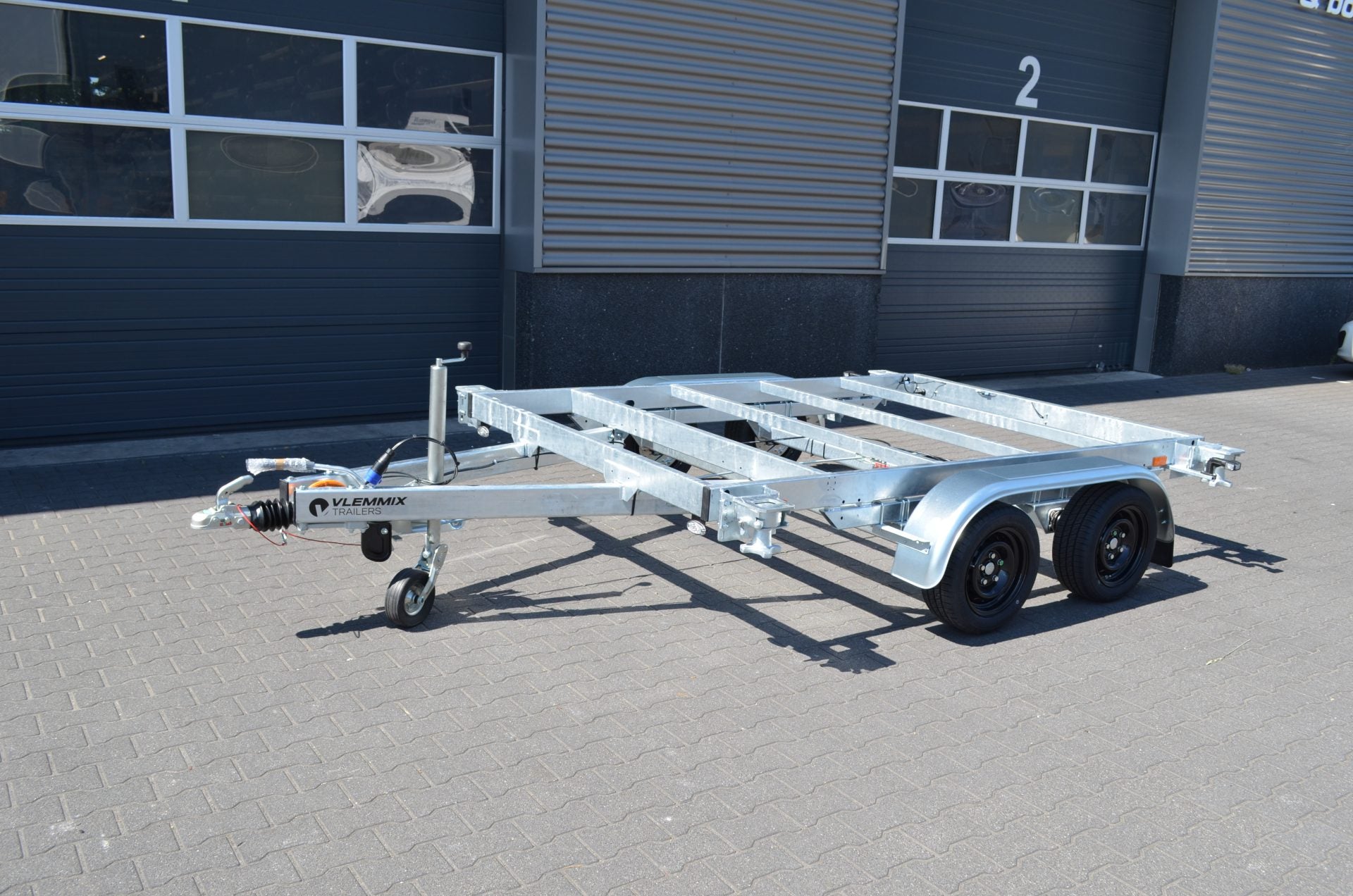
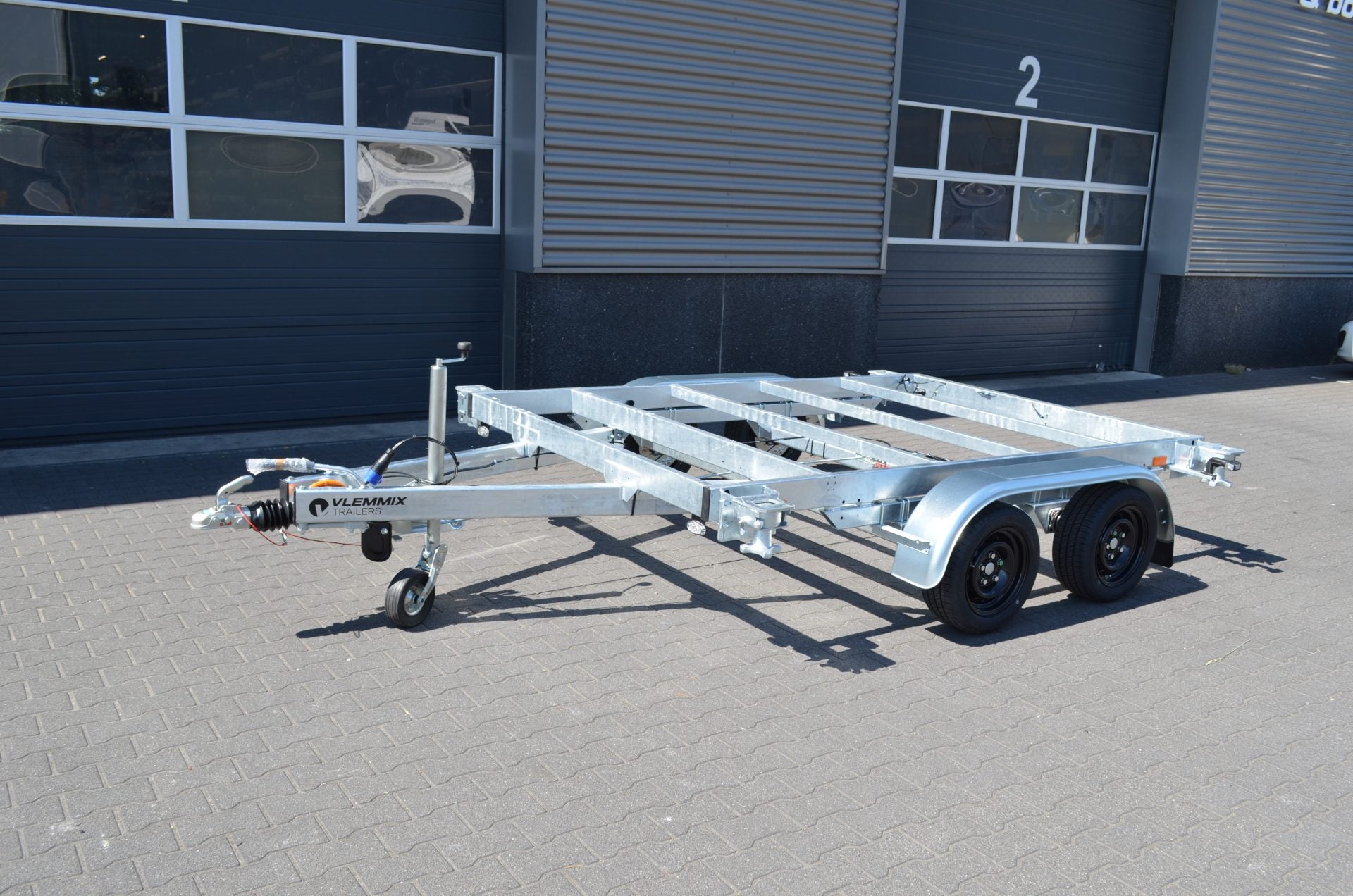
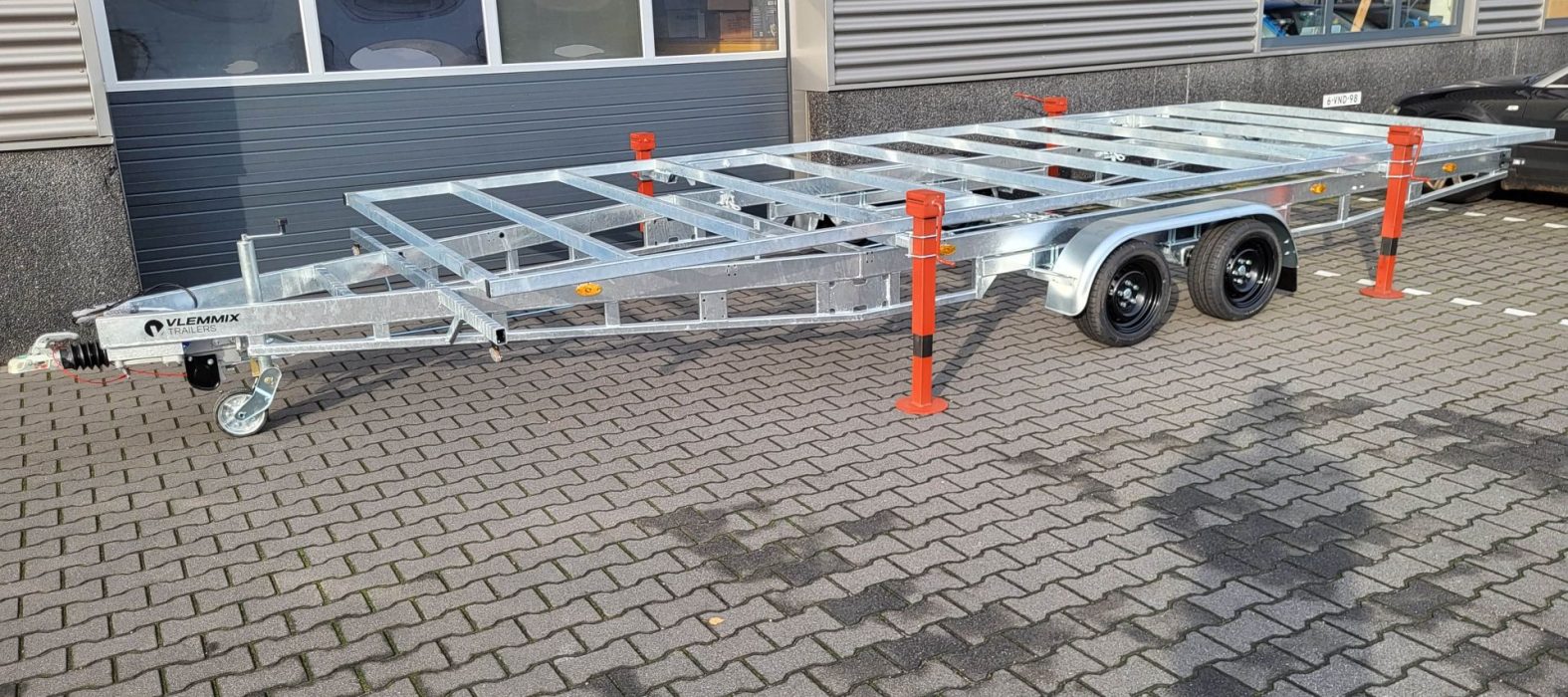
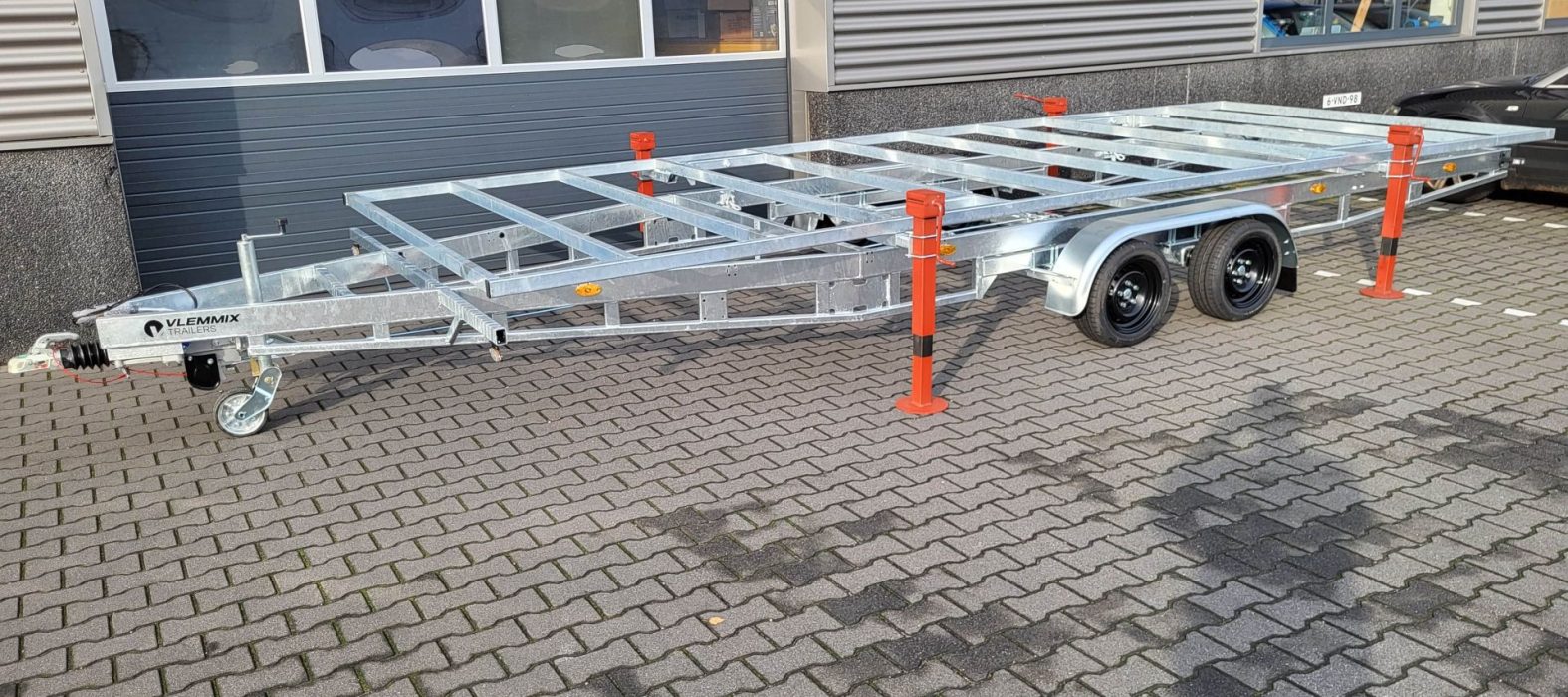
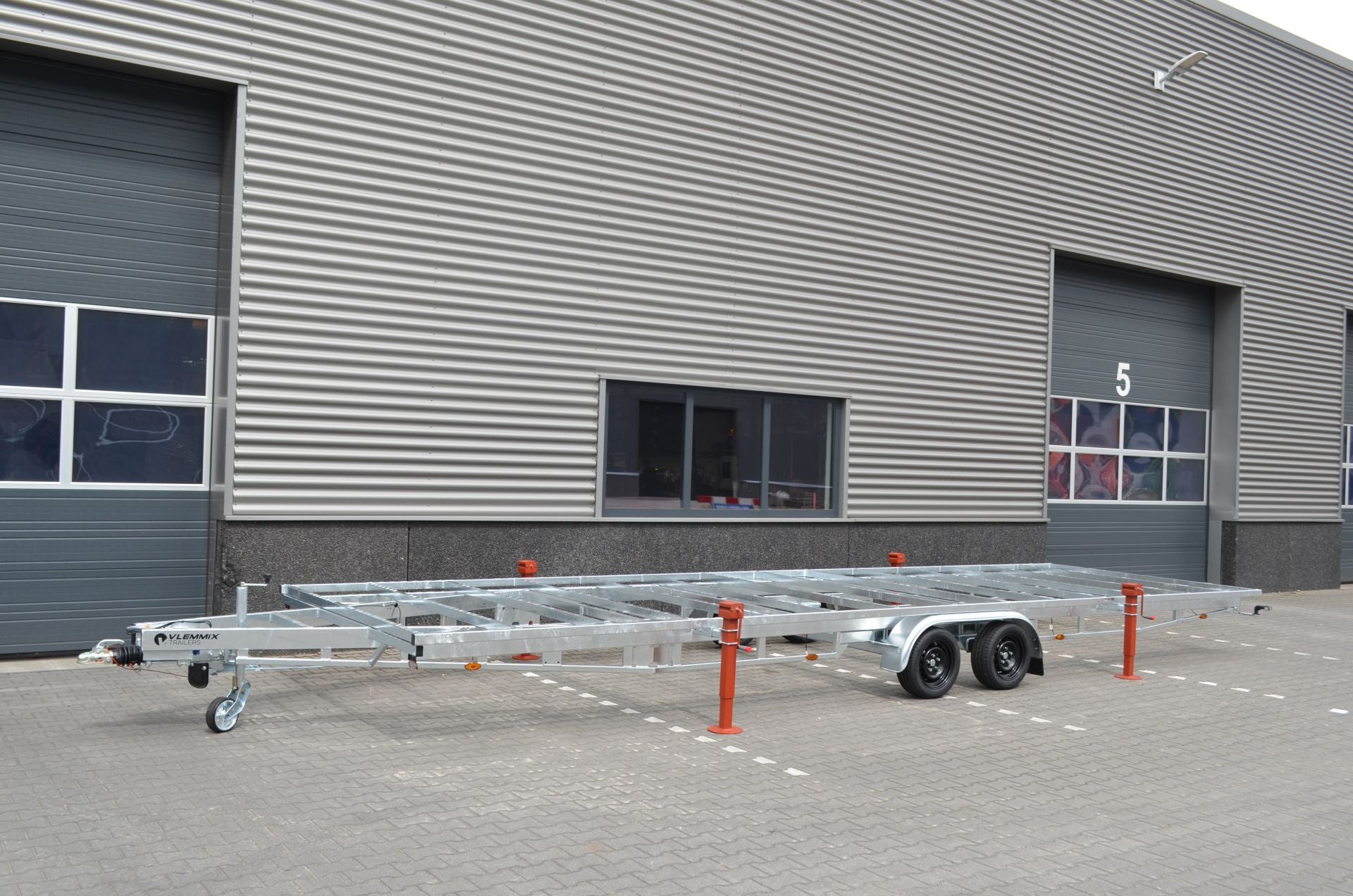
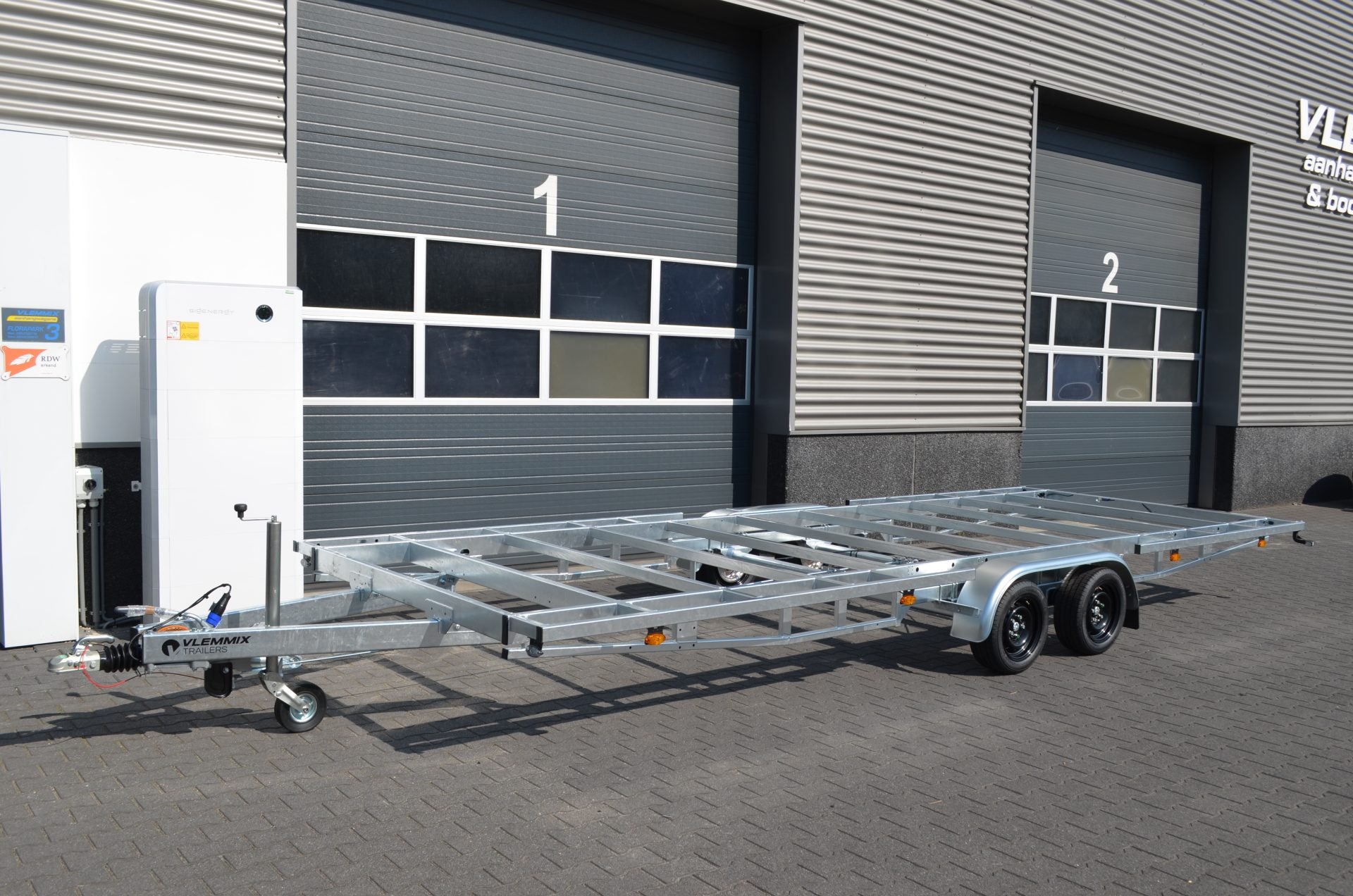
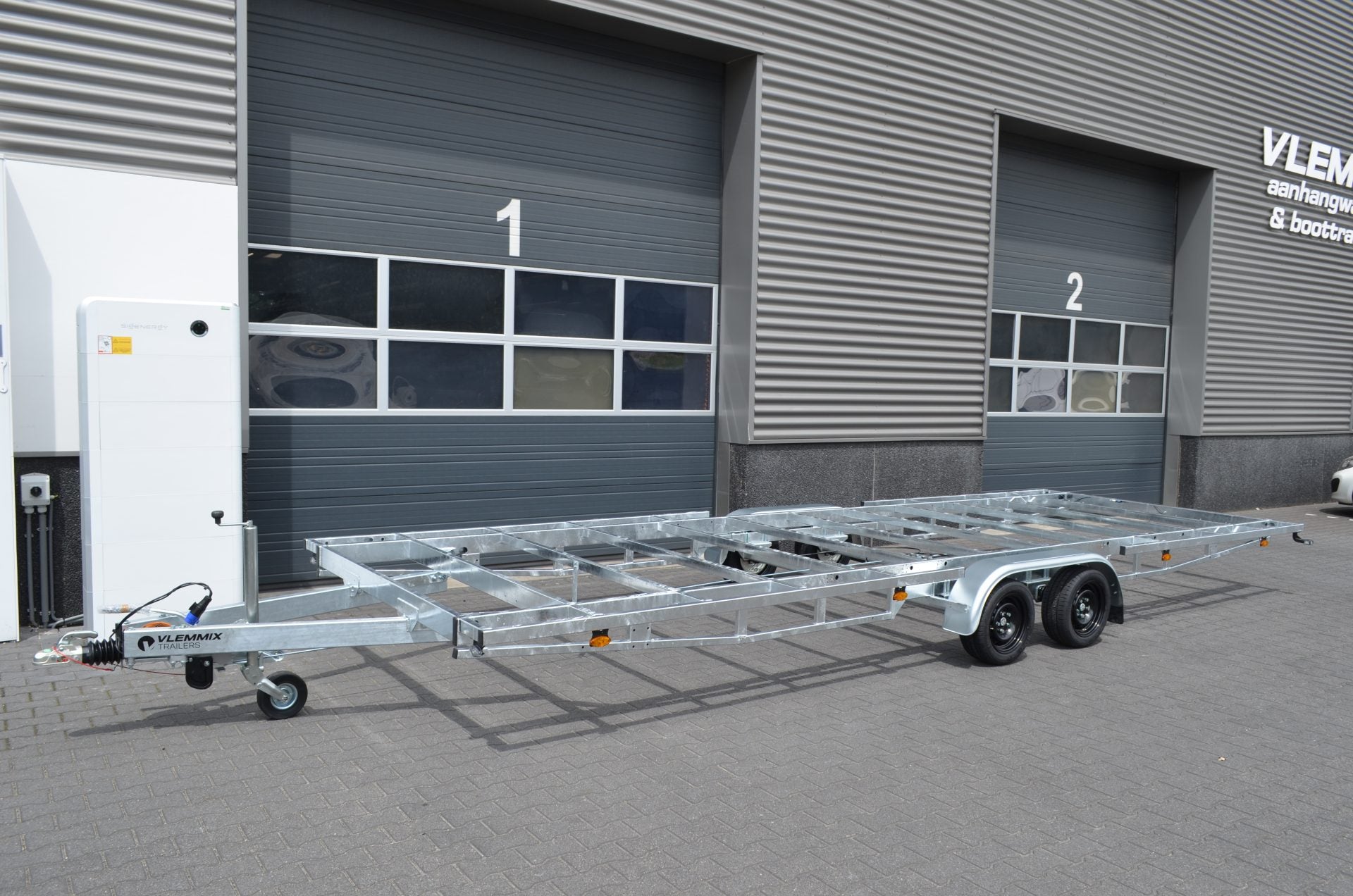
Our trailers come directly from the Vlemmix factory, a European benchmark for its balance of lightness, strength, and ease of use. Their trailers are precision-engineered to provide even hull support and superior stability, even with larger vessels. Furthermore, their axles and components are sourced from reputable manufacturers, reducing maintenance and extending their lifespan.
Their design caters to both beginners and experienced owners seeking real on-road performance and ease of launching. The quality of the welding, galvanizing, and construction makes them a reliable choice.
7. Real-life situations where having an unbeatable trailer is essential
Nautical Trips and Holidays
With a trailer, you can take your boat to any destination without relying on external companies. This allows for more independent vacations, new routes, and richer experiences.
Maintenance and Repairs
You don't need to adjust to the boatyard's availability. You can move your boat to any workshop or work on it comfortably in your own space.
Winter and Long Shutdown Seasons
Storing your boat at home or on your own land reduces costs and protects your boat from wear and tear and adverse weather during off-seasons.
8. Practical Tips Before Buying
Always check the trailer's European documentation, verify the weight capacity of your vehicle's tow ball, and check the electrical connection compatibility. These technical aspects are often overlooked and are responsible for many problems later on.
It's also important to consider the type of ramps you'll be using. Shallow ramps, uneven bottoms, or strong currents may require a specific type of rollers or supports. Choosing wisely avoids complications later on.
Conclusion: If you take your passion for boating seriously, you need a well-chosen trailer.
A boat trailer isn't an expense: it's a multiplier of freedom, comfort, and savings. It allows you to sail more, better, and wherever you want. And, above all, it gives you complete control over your vessel.
If you choose a suitable trailer — like those from Vlemmix purchased through Remolque.es — you will have made a smart investment that will take your boating experience to another level.