Anyone who uses a trailer in saltwater learns quickly: rust is unforgiving. What seems like a minor cosmetic issue quickly turns into seized bearings, unusable brakes, and corroded wiring. And the problem isn't just the cost: a breakdown on the road with the boat in tow is no small matter. The goal isn't just to "survive" two seasons, but to extend the trailer's lifespan without turning maintenance into a nightmare. With a methodical approach, it's possible.
Why saltwater ruins trailers
Salt isn't just corrosive; it's persistent. It clings to metal, penetrates joints, and remains active for days. Every time the trailer is submerged in the water, it's subjected to chemical and mechanical damage. The axles work underwater, the bearings overheat, and the brakes become clogged with particles. If no action is taken after each use, wear and tear accelerates. Many owners believe that a "galvanized" trailer can withstand anything. This is a mistake. Galvanizing offers some protection, but it's not an absolute shield. With repeated use, micro-nicks and scratches appear, paving the way for corrosion.
Another detail that often goes unnoticed: trailers suffer more in summer. High temperatures, long braking periods on highways, and repeated contact with hot, salty water—this combination increases rust. That's why it's best to treat your trailer like any other piece of nautical equipment, not as an afterthought. Your boat receives regular care and maintenance. Your trailer should receive the same level of attention if you want it to last for years.
Proper rinsing after each dumping
The simplest thing that prolongs the life of your trailer is a thorough wash. A quick hose-down won't do. You need to remove the salt that has accumulated on axles, brakes, chassis, and hardware. Ideally, use fresh water at moderate pressure, starting from the bottom. Pay special attention to crevices, joints, and areas where water tends to collect. If your trailer has an axle spray system, always use it. These systems are designed to deliver fresh water to areas where a hose can't reach.
Avoid using overly aggressive jets near joints or seals. An improperly used pressure washer can force water where it shouldn't be, causing the opposite effect. After washing, allow the trailer to air dry and, if possible, move it a few meters to flush out any water remaining in the bearings. Habit is key: always wash the trailer after the ramp, even if you're in a hurry. Breakdowns happen when you "leave it for tomorrow."
Anti-corrosion products: when they help and when they hinder
Applying light lubricants or anti-corrosion protectants to screws and fittings helps a lot. But they must be used judiciously. Excessive grease on rollers or brakes ends up trapping sand and dirt. The sensible thing to do is protect exposed areas and avoid friction points. A periodic check after washing is sufficient. And if rust spots appear, they must be tackled quickly: sand, clean, and apply protective paint compatible with galvanizing. Waiting for it to progress is inviting corrosion.
Axles, bearings and brakes: the critical triangle
The biggest enemy of trailers that go into saltwater is hidden. The bearings operate under high loads, and when salt gets in, they begin to deteriorate without warning. A slight noise or a feeling of heat when touching the wheel after a long trip are warning signs. Regular inspection and lubrication aren't a luxury; they're preventative. In specialized workshops, we see trailers that have lost seasons of use because a bearing wasn't opened in time.
The brakes deserve the same attention. Trailers with a maximum authorized mass (MAM) of 750 kg or more must be equipped with a braking system. When this system is submerged repeatedly, rust appears on the brake shoes, cables, and mechanisms. Checking them at the beginning and end of the season is a reasonable minimum. The Ministry of Transport has been reminding drivers for years in its safety campaigns that poor maintenance is a recurring factor in breakdowns and incidents on the road. They don't publish specific statistics by trailer type, but the trend is clear: those who maintain their trailers experience fewer breakdowns.
How to detect wear and tear before it's too late
There are simple indicators: squeaking noises while driving, vibrations, uneven tire wear, a burning smell after a long descent, or an overrun brake that doesn't respond smoothly. If any of these signs appear, the trailer needs servicing. Postponing it to save money ends up costing more. And let's not forget that trailers with a maximum authorized mass (MAM) exceeding 750 kg must pass a vehicle inspection (MOT/ITV). A failed inspection due to corrosion or faulty brakes means lost time and subsequent bills.
Chassis protection and galvanizing
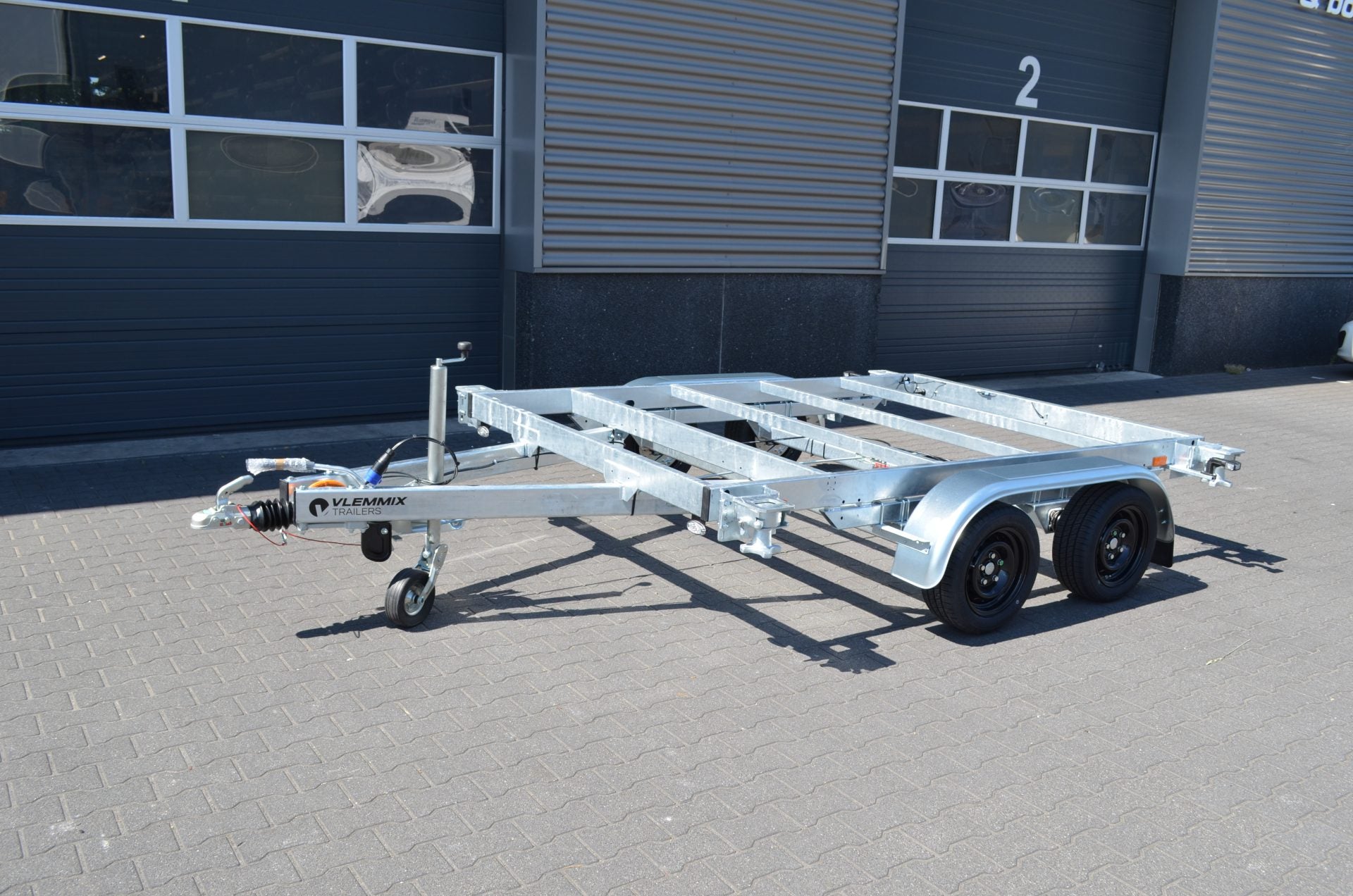
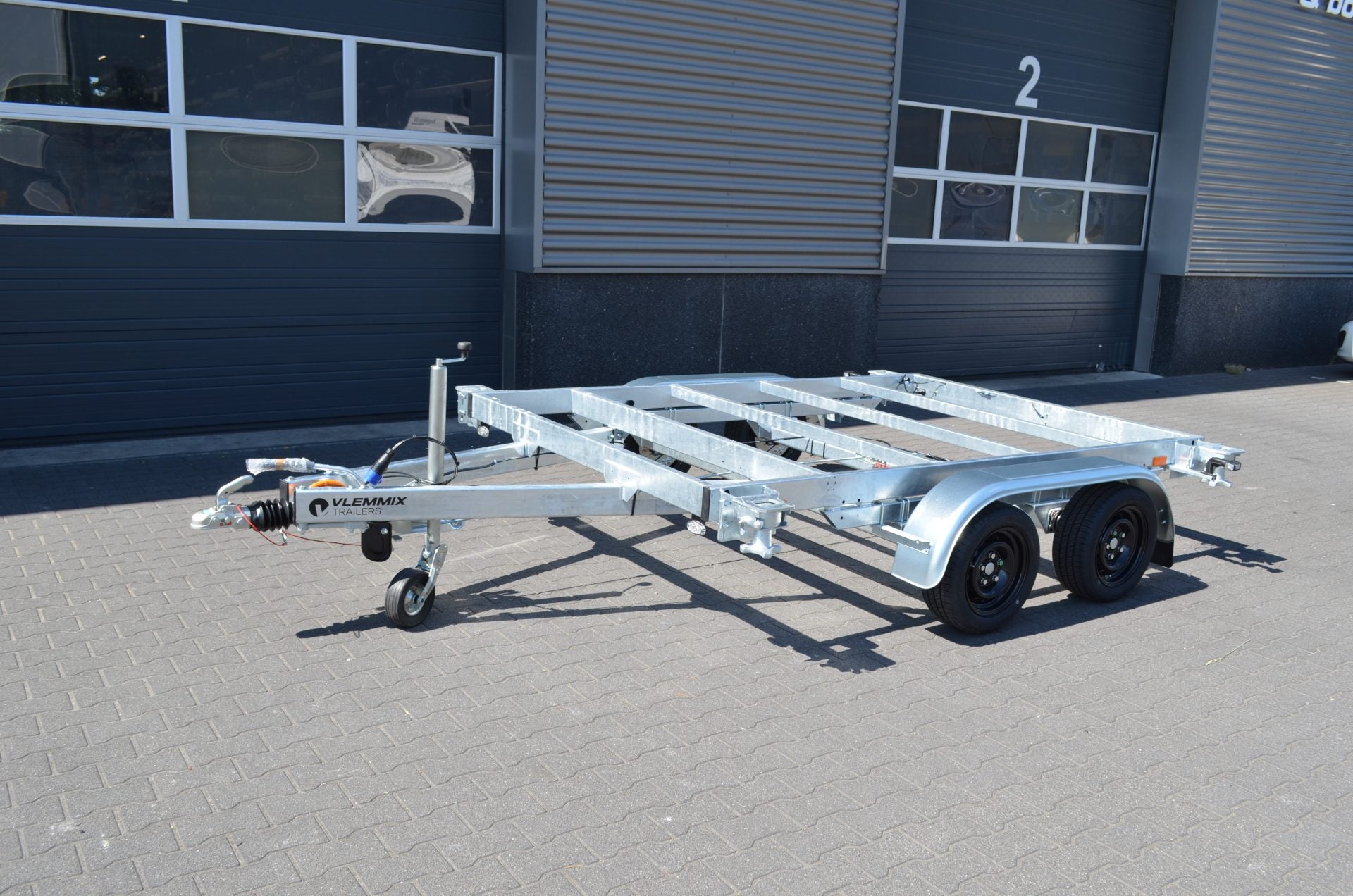
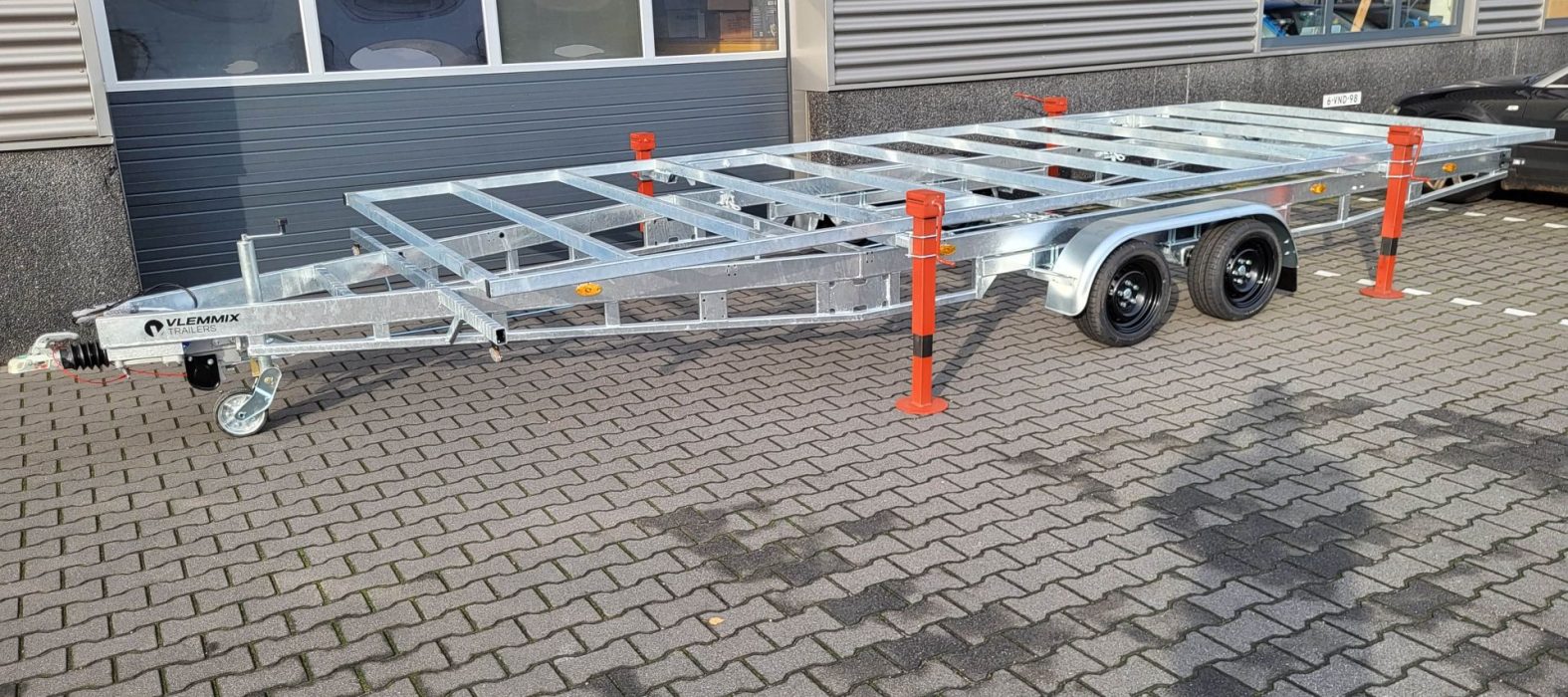
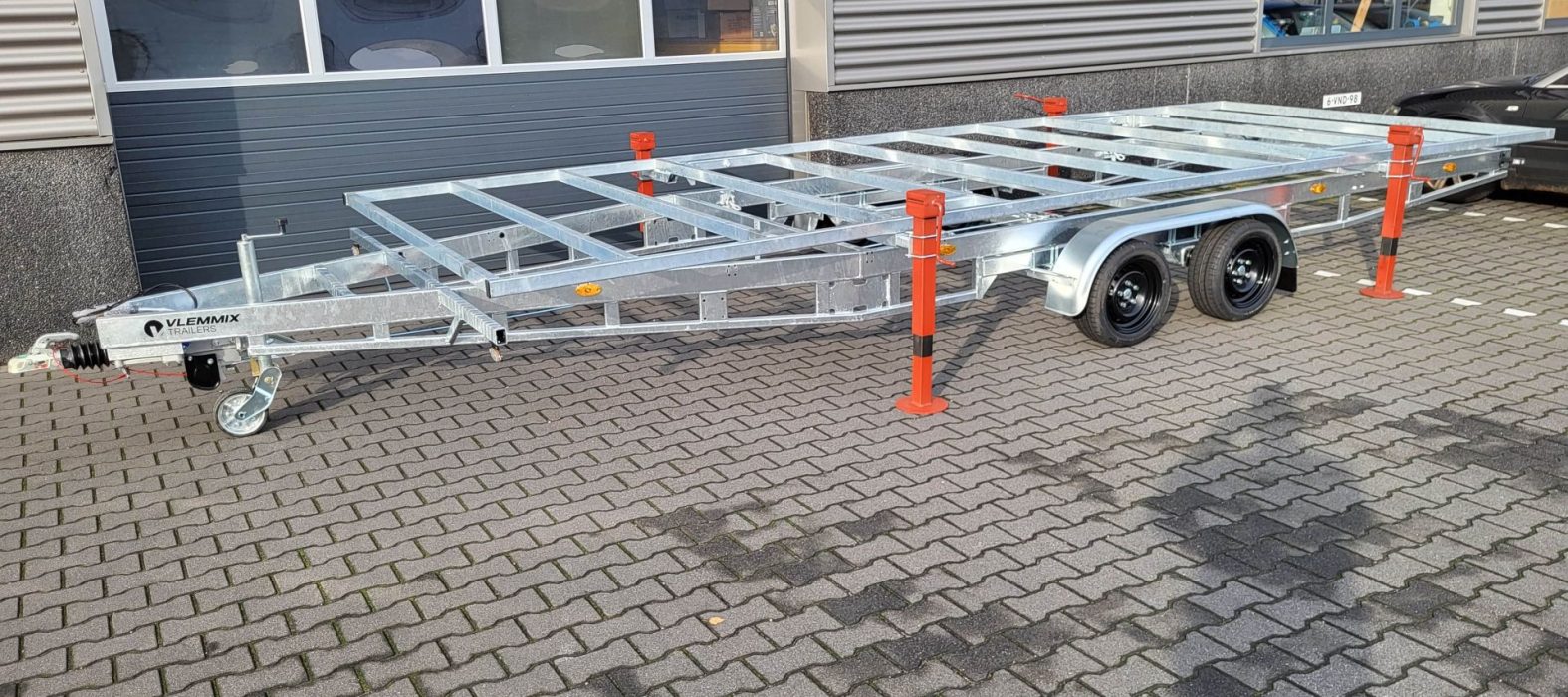
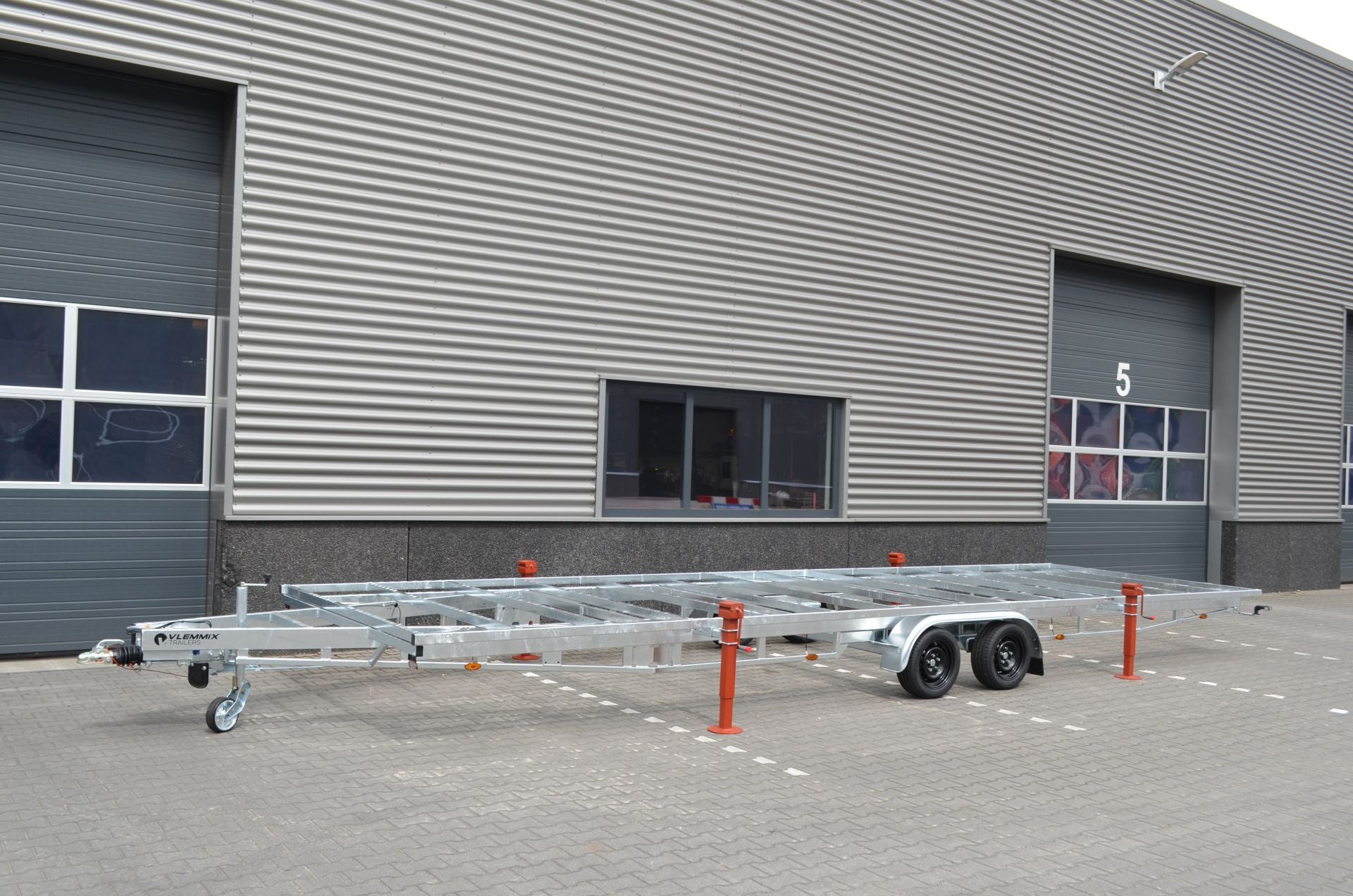
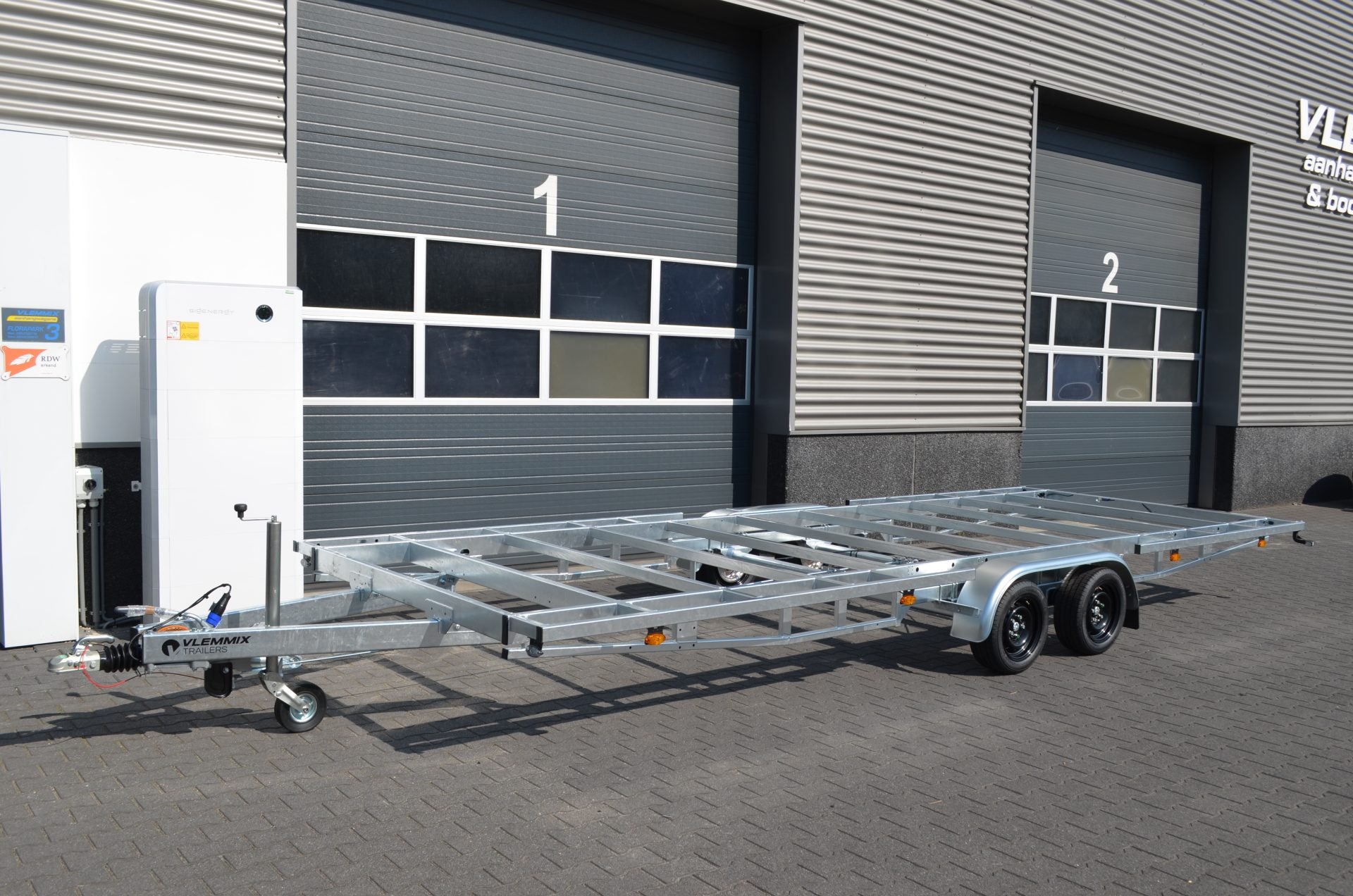
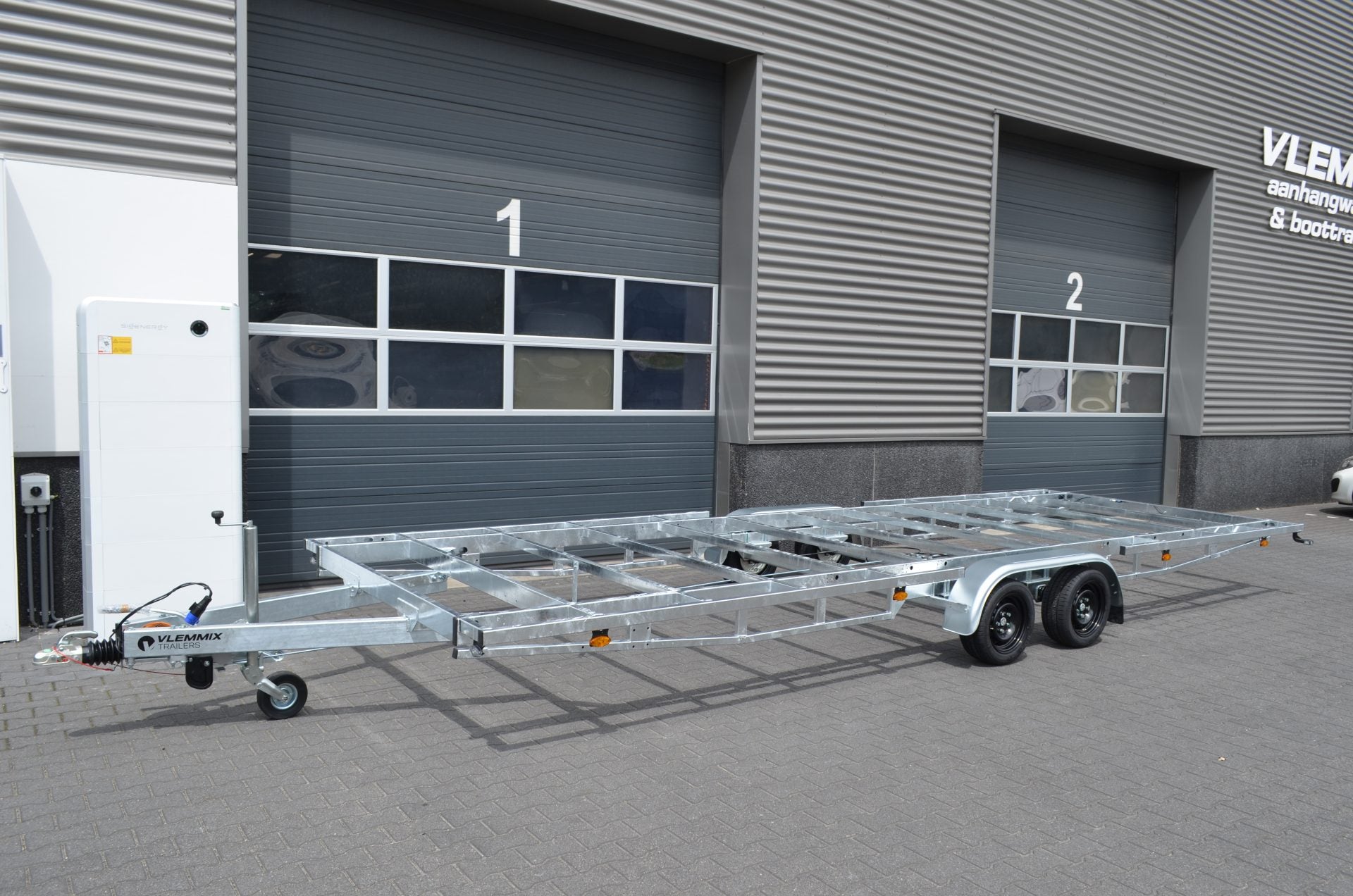
High-quality marine trailers are typically hot-dip galvanized. This is the most durable option for those who navigate saltwater. Even so, it's advisable to inspect the chassis a couple of times a year for dents, scratches, or areas where the galvanizing has chipped. Any impact on ramps or curbs opens the door to corrosion. Treating these areas early with specific products extends the life of the entire structure.
Another smart practice is to avoid storing the trailer on waterlogged or damp ground. If it's going to be parked for months, it's best to place it on a firm, clean surface. Slightly raising the trailer or using wheel chocks also helps prevent prolonged wheel deformation. The goal is always the same: to keep metal and moisture away from it for as long as possible.
Electricity and connections: the great forgotten element
Saltwater and electricity don't mix. Light connectors corrode, wires break, and lights stop working at the worst possible moment. Checking connectors, applying dielectric grease, and replacing damaged wires is cheap compared to a traffic ticket or an accident caused by lack of lighting. And it's always a good idea to keep spare bulbs or lights in your car. It saves minutes and prevents a lot of trouble.
Driving habits that extend the life of the trailer
Wear and tear doesn't come solely from the sea. Driving smoothly, avoiding unnecessary potholes, not driving over curbs, and braking gradually prolong the life of axles and brakes. Properly loading the boat—with well-distributed weight and adequate straps—reduces stress on the chassis. The DGT (Spanish Directorate General of Traffic) emphasizes that poorly secured cargo and excessive weight are common factors in accidents. Although there is no data broken down by boat trailer, the logic is the same: if the system operates smoothly, it lasts longer.
It's also important to respect the specific speed limits for vehicles with trailers and check tire pressure before each trip. Underinflated tires generate heat and accelerate wear. And if the trip is long, stop every 100–150 kilometers to check straps, tire temperature, and connections. Five minutes that can save you a lot of trouble.
Off-season storage
If the trailer is going to be unused for months, the best plan is to store it clean, dry, and, if possible, indoors. Remove the weight of the boat, loosen the straps, and cover sensitive areas with a breathable tarp. Some people think the trailer "rests just fine outside." That's not true. Exposure to the elements, combined with salt residue, significantly shortens its lifespan.
Planned maintenance: less expense and more safety
Improvised maintenance is expensive. Planning is the sensible approach. A simple schedule works: a light check after each use in saltwater, a thorough check at the start of the season, and another before summer. Checklist: brakes, bearings, cables, rollers, straps, bolts, and chassis. Documenting what has been done helps identify patterns and anticipate replacements.
When a trailer is older and carries heavy loads, it's worth leaving certain maintenance to professionals. Adjusting brakes or opening bearings without experience can end up making things worse. This isn't about spending money for the sake of spending, but about investing where it will truly make a difference.
Practical closure
Extending the life of your trailer in saltwater isn't about miracles, but about routine: washing, protecting, inspecting, and driving sensibly. Every maneuver on a ramp and every kilometer on the road leaves its mark. If you control corrosion, maintain axles and brakes, and keep an eye on the chassis, your trailer will serve you for many years without any unpleasant surprises. And if you ever have any doubts, seek expert advice. At Remolque.es, we've been observing how trailers in saltwater fail—and how they're saved. With a methodical approach, the difference is enormous.