
Inflatable Boat Trailers
Inflatable Boat Trailers
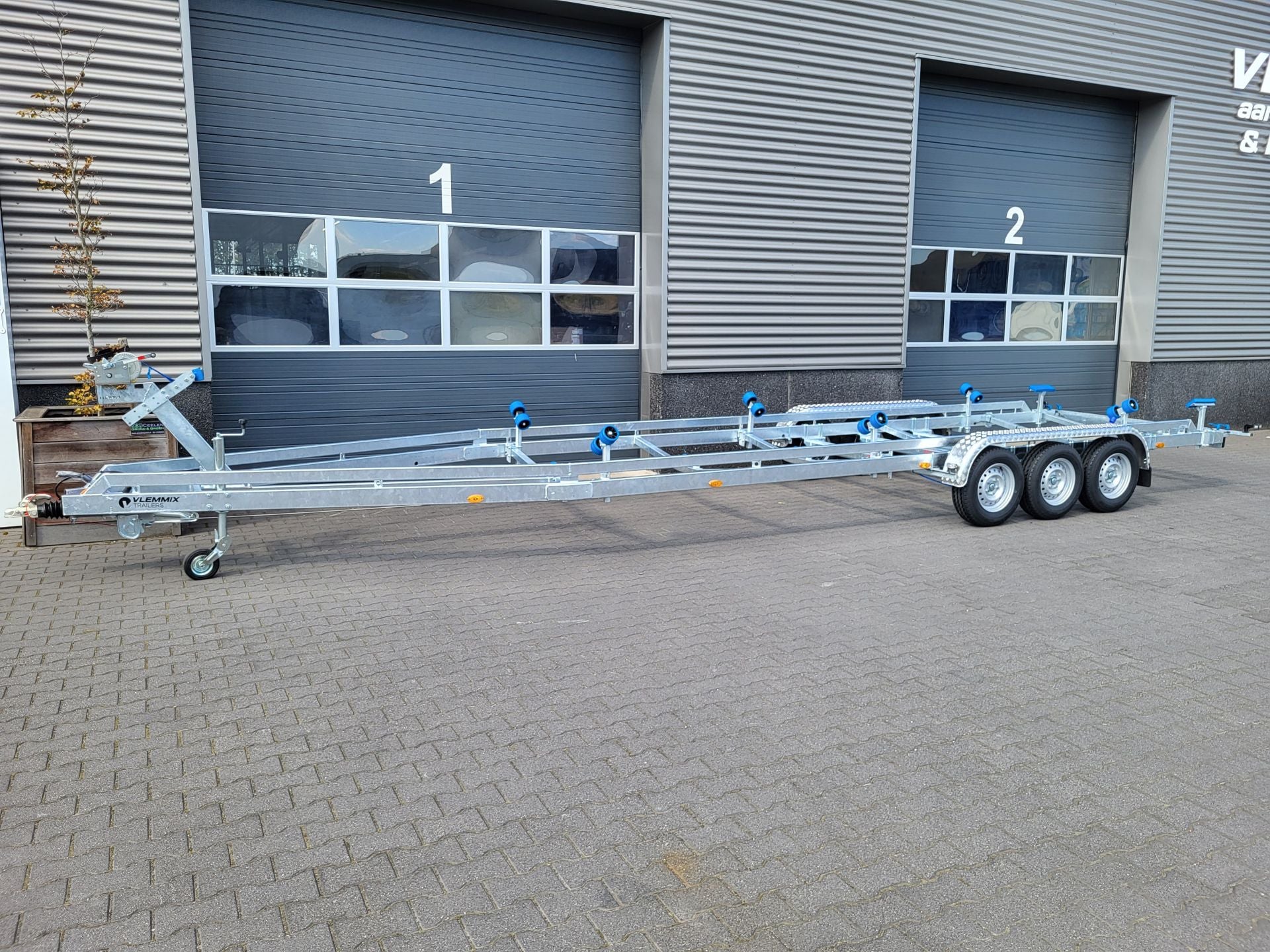
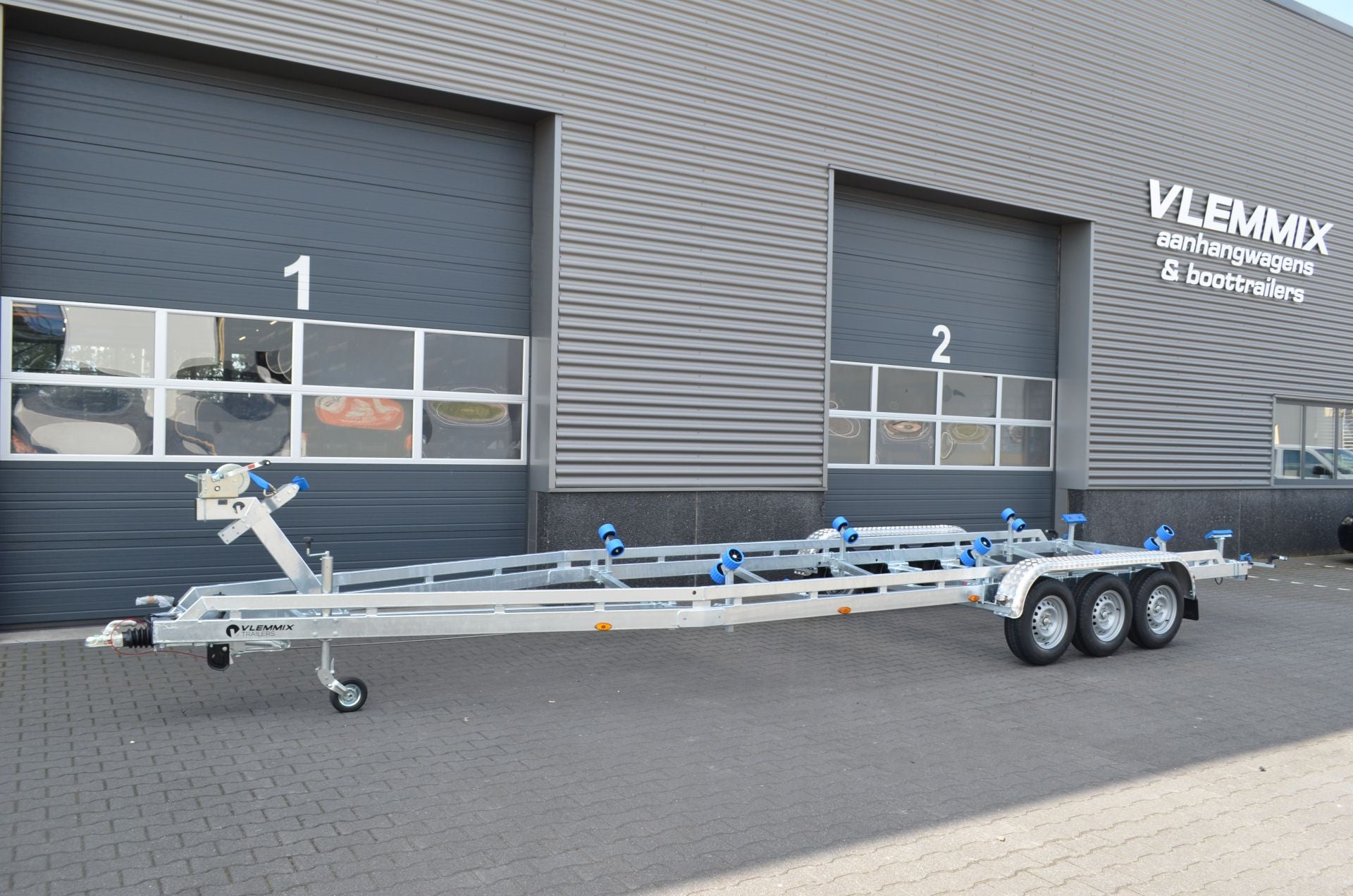
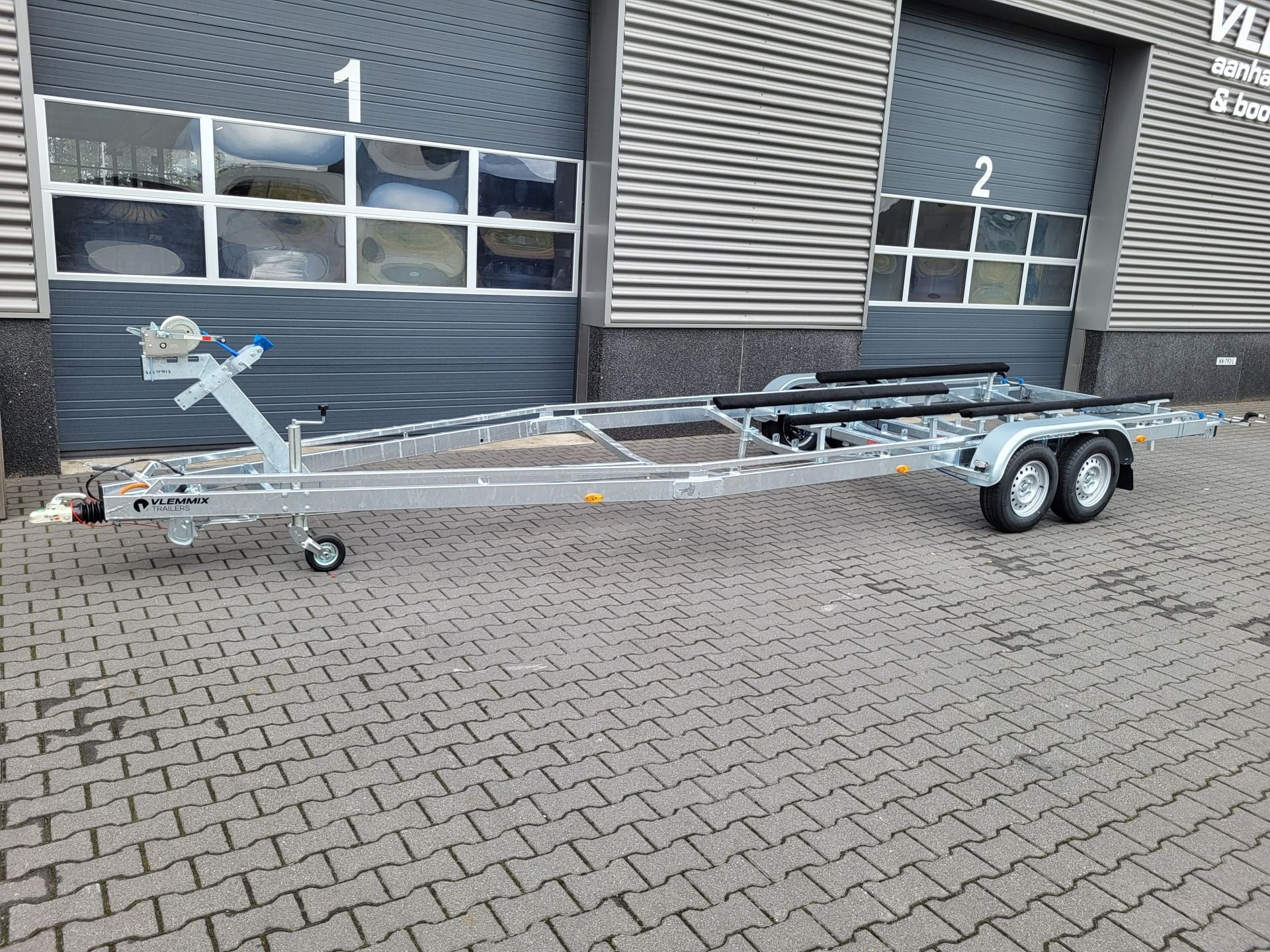
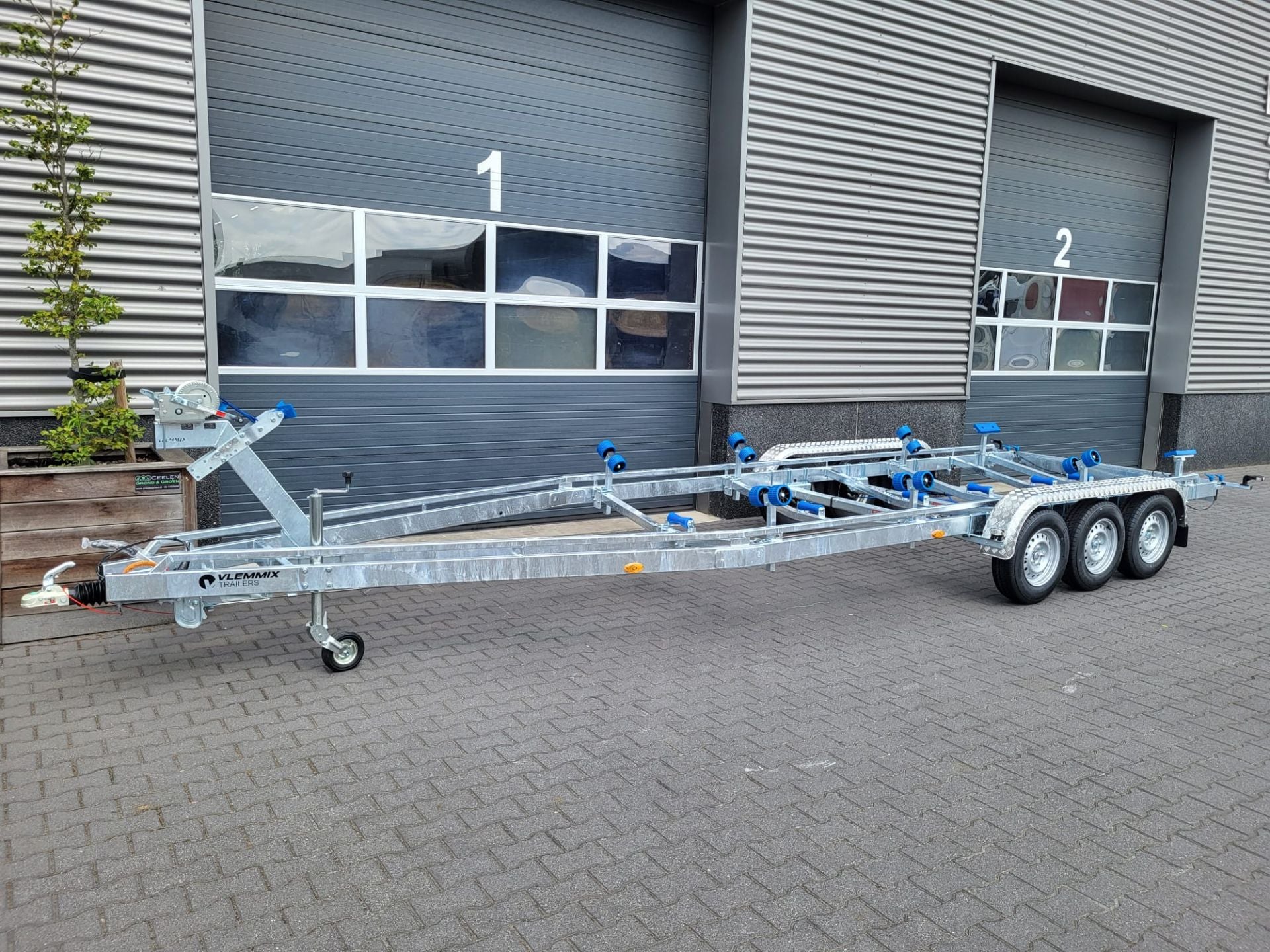
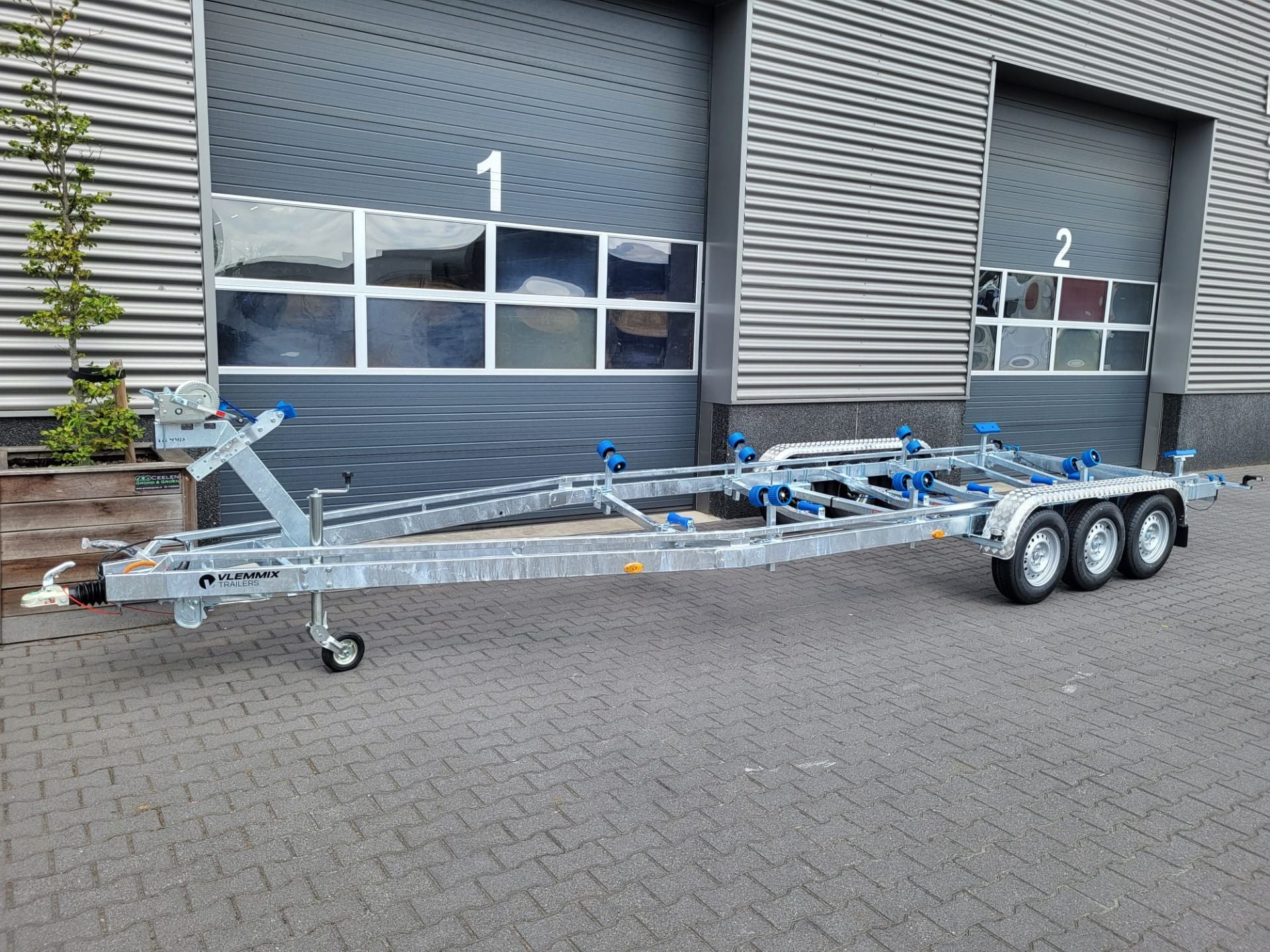
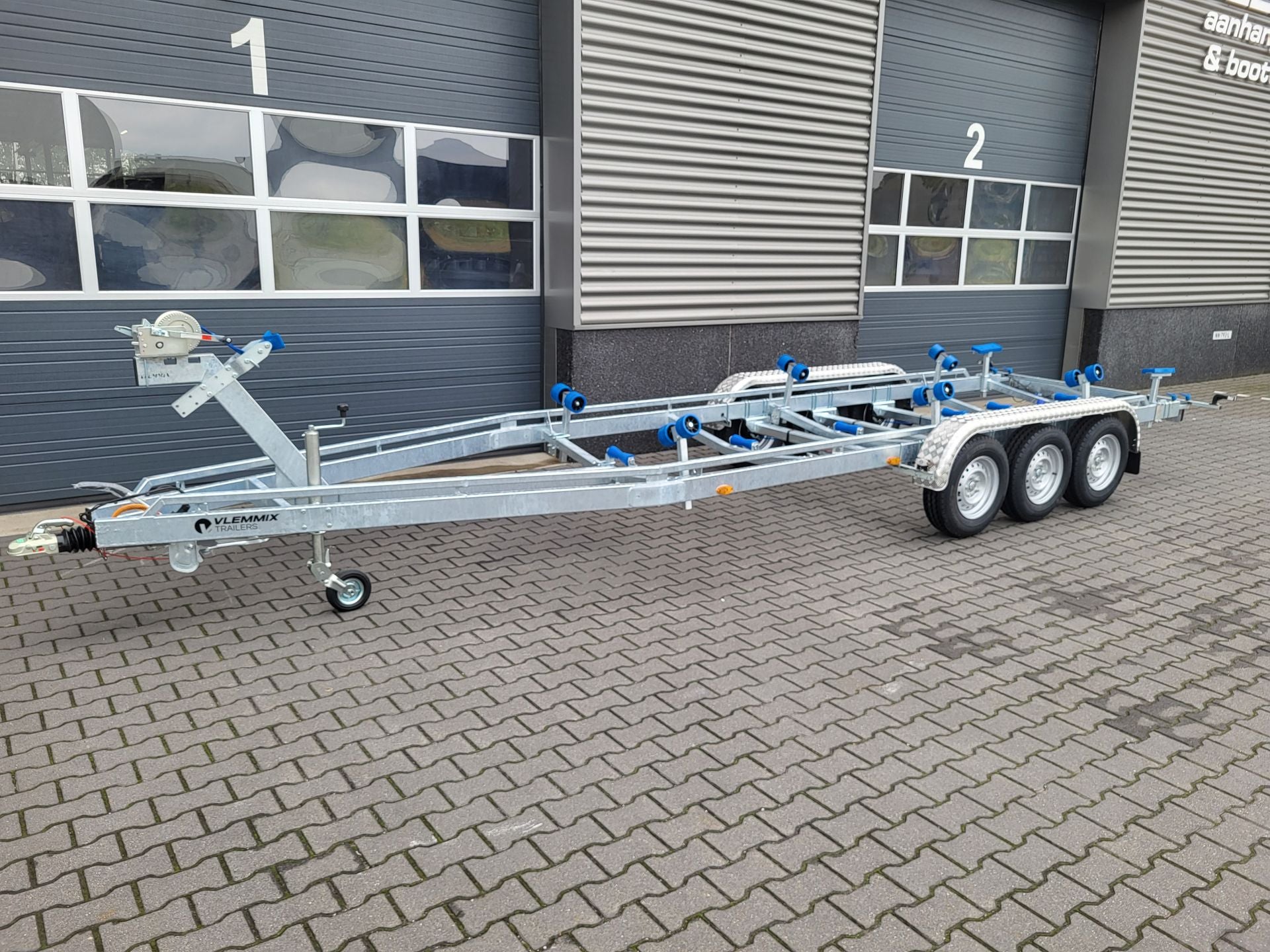
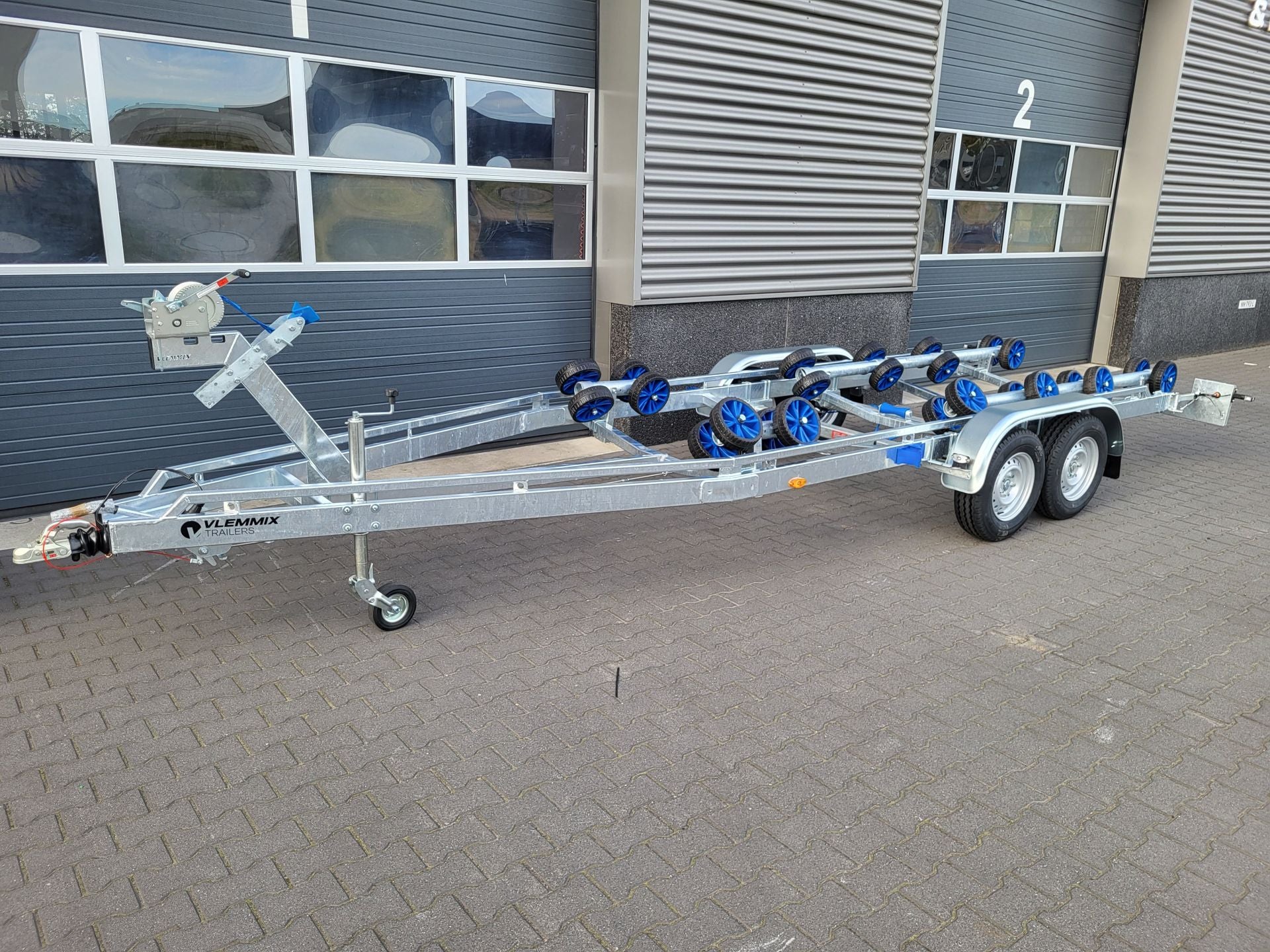
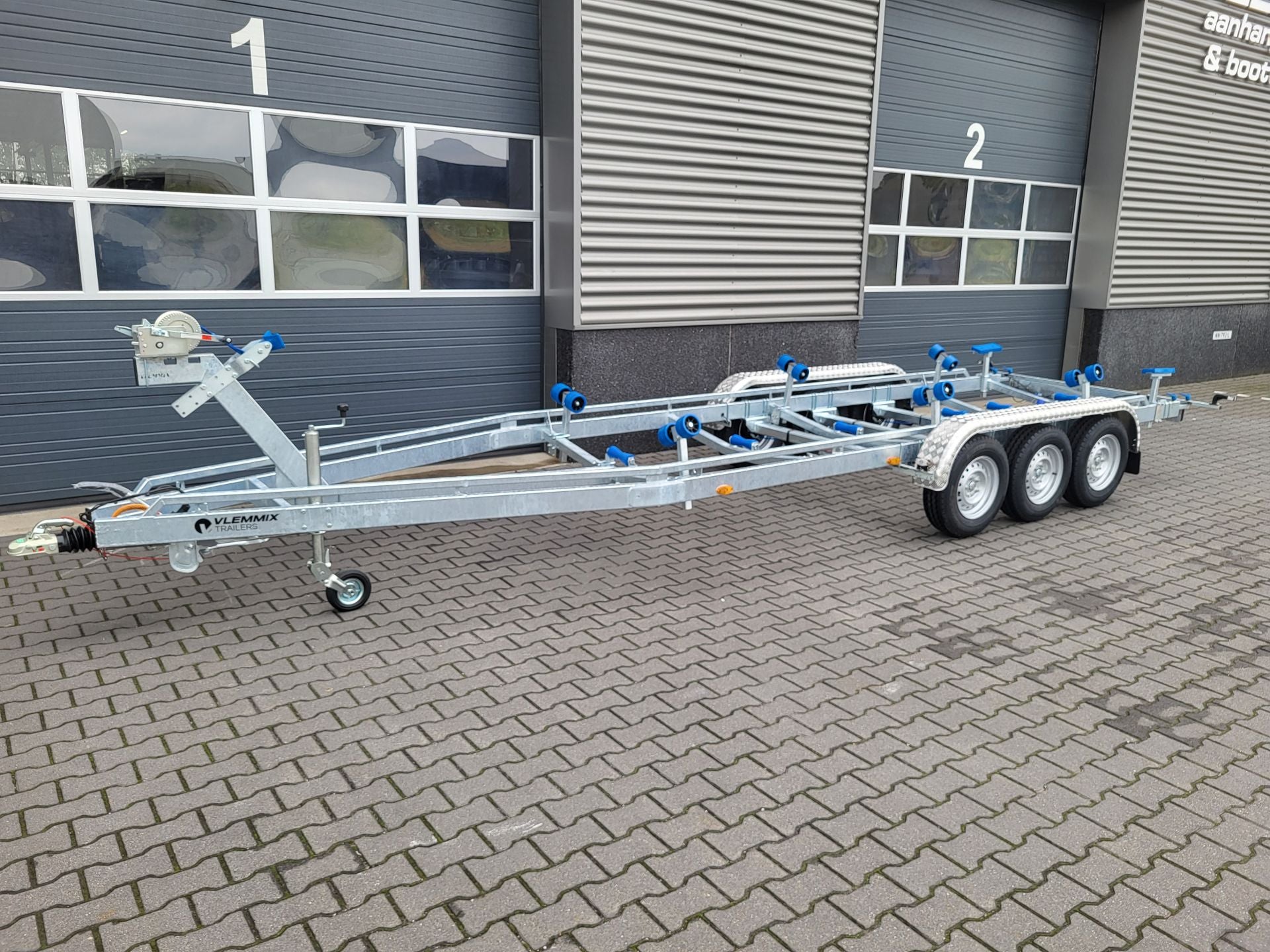
Inflatable boat trailers
Choosing wisely means protecting your boat… and your wallet.
Moving a RIB or large inflatable boat isn't just about "taking it in and out of the water." Contact with the keel, support on the rollers, salt corrosion, traction on slippery ramps, and stability on the road all put the whole thing to the test. A mistake here can result in torn tarpaulins, damaged valves, or unexpected braking. In this guide, you'll find out what modern inflatable boat trailers offer, who they're right for, and how to choose the right one without overpaying. The goal is clear: to give you the information you need to buy with confidence, extend the life of your boat, and operate within Spanish regulations without any surprises, whether you're a frequent boater or just making occasional seasonal transfers between the port, garage, and boatyard.
How to choose the best trailer for inflatable boats
Key technical criteria (load, MMA, dimensions, materials)
Start with the actual length and weight of your inflatable boat: this includes the engine, fuel, accessories, and safety equipment. The trailer's maximum authorized mass (MAM) must allow sufficient clearance to avoid exceeding the limit. Dimensions are crucial: a short chassis forces the boat to be positioned too far forward, unbalancing the overall structure; an excessively long one complicates maneuvering. The rollers should be tiltable and made of a non-marking material, and the side cradles should be adjustable. For materials, hot-dip galvanizing and sealed axles offer better resistance to saltwater; stainless steel bolts reduce maintenance. If the manufacturer doesn't publish a detailed technical data sheet, take note. There are no publicly available, independent comparisons of brands in Spain, so it's best to rely on verifiable data, manuals, and current regulations before making a decision.
Vehicle and hitch compatibility
A trailer for inflatable boats must be compatible with your car or 4x4. Check the vehicle's technical specifications for towing capacity with and without brakes, and confirm that the tow ball is approved and registered where applicable. The hitch height affects load distribution; a misaligned setup puts unnecessary stress on the boat when going down ramps. Check the electrical connection, the lights, and, if it has an inertia brake, that the emergency braking system works correctly. Also consider slopes and slippery surfaces: a vehicle that tows well on flat ground may struggle on a marina ramp. Compatibility is determined by numbers and documentation, not by intuition. Properly adjusting these specifications prevents unexpected braking problems, skidding, and premature wear on the transmission and tires.
Safety and basic maintenance
With inflatable boat trailers, safety begins before you even hitch up. Ensure correct tire pressure, tires without cracks, lubricated bearings, properly adjusted brakes, and a winch in good working order. Straps must be certified and tightened without pinching the tubes. After each launch, rinse the chassis, axles, and rollers with fresh water: salt shortens the life of the galvanizing. Check pulleys and pins before the season. There are no recent, publicly available statistics in Spain specifically for this type of trailer, but general reports on trailer accidents point to faulty securing and poor maintenance as recurring causes. If you notice swaying, a smell of brake dust, or flashing lights, stop and check. This ten-minute routine, which often goes unnoticed, is what prevents costly hull damage and insurance problems.
Catalog of trailers for inflatable boats
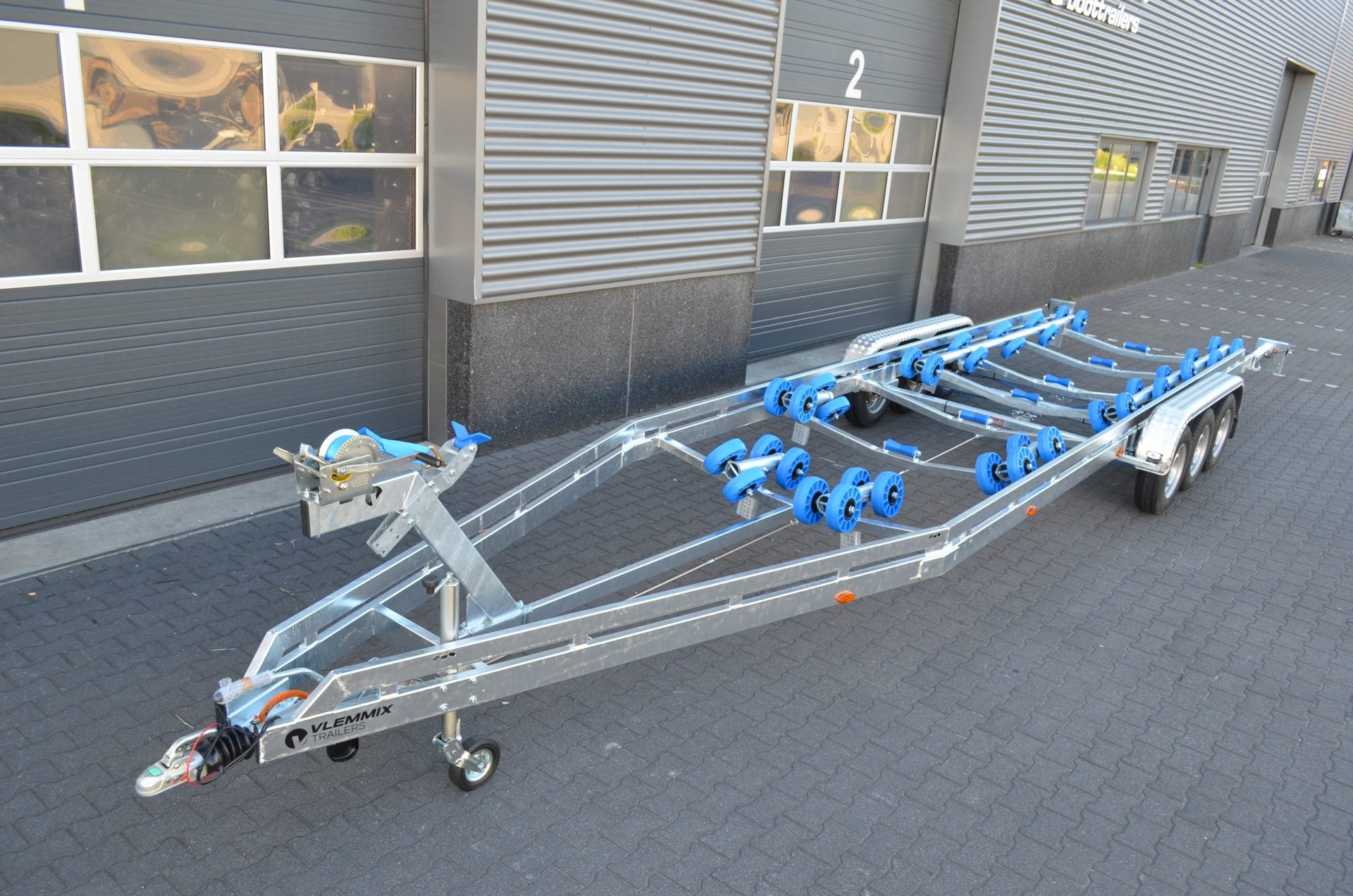
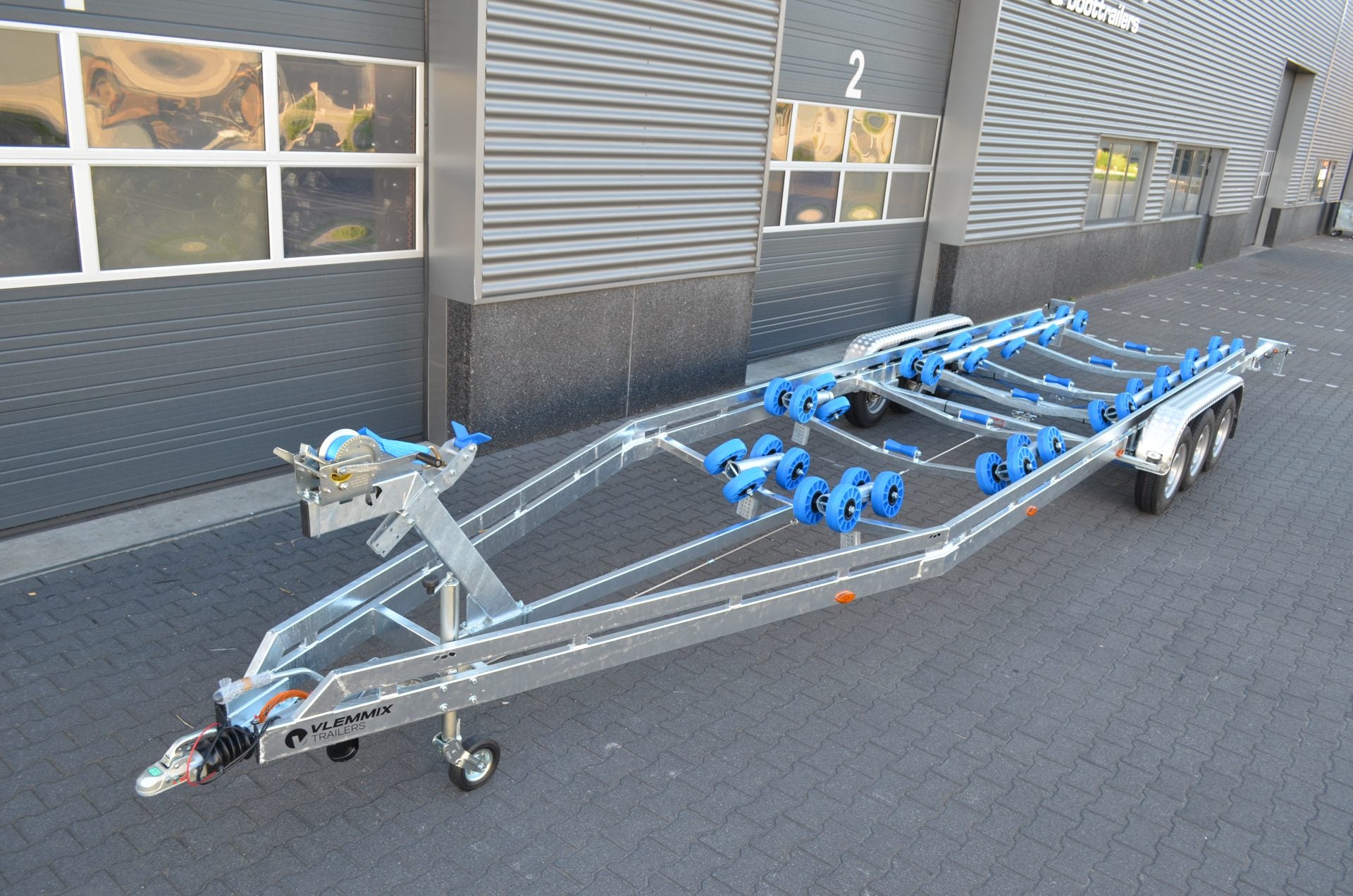
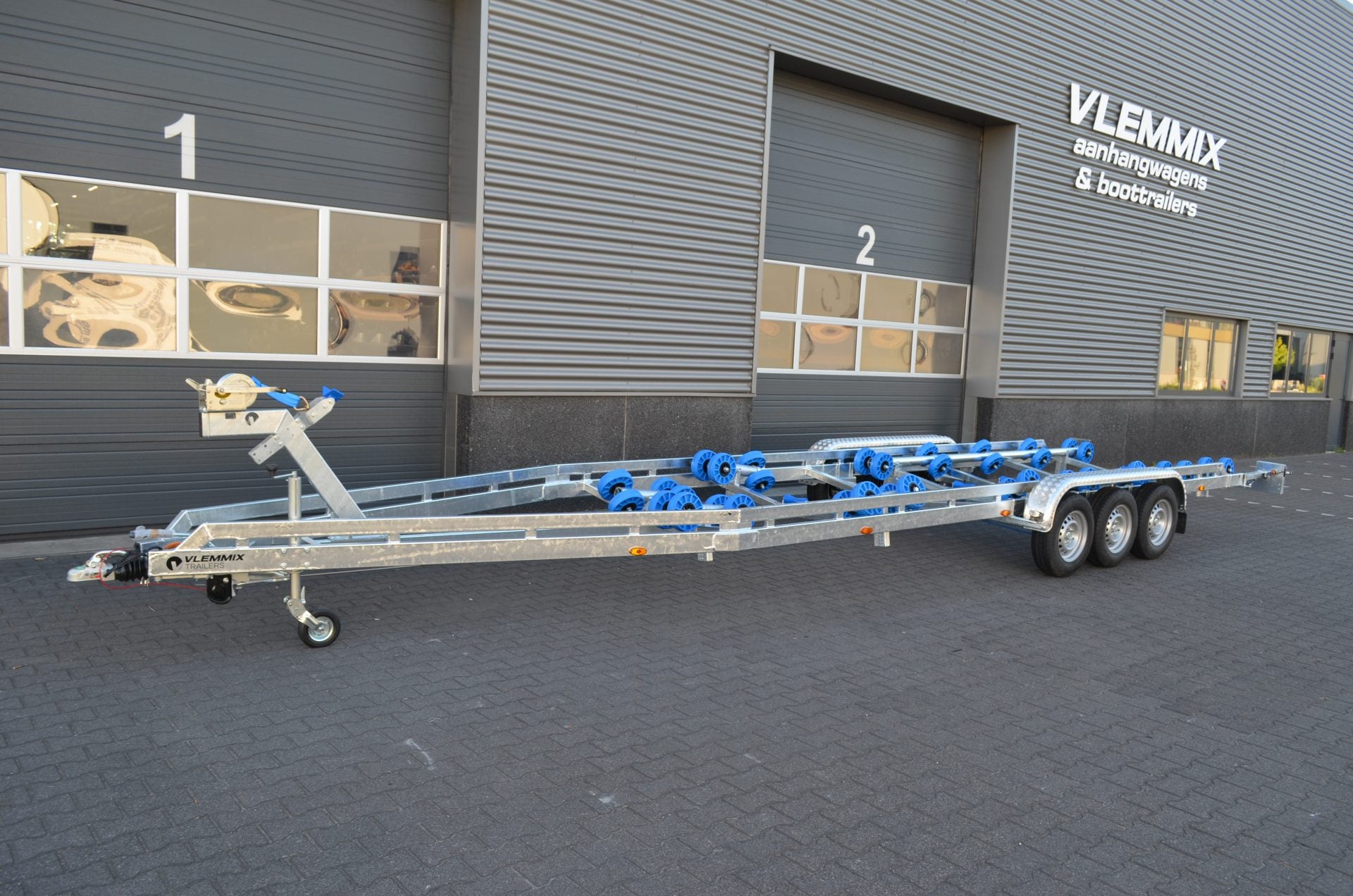
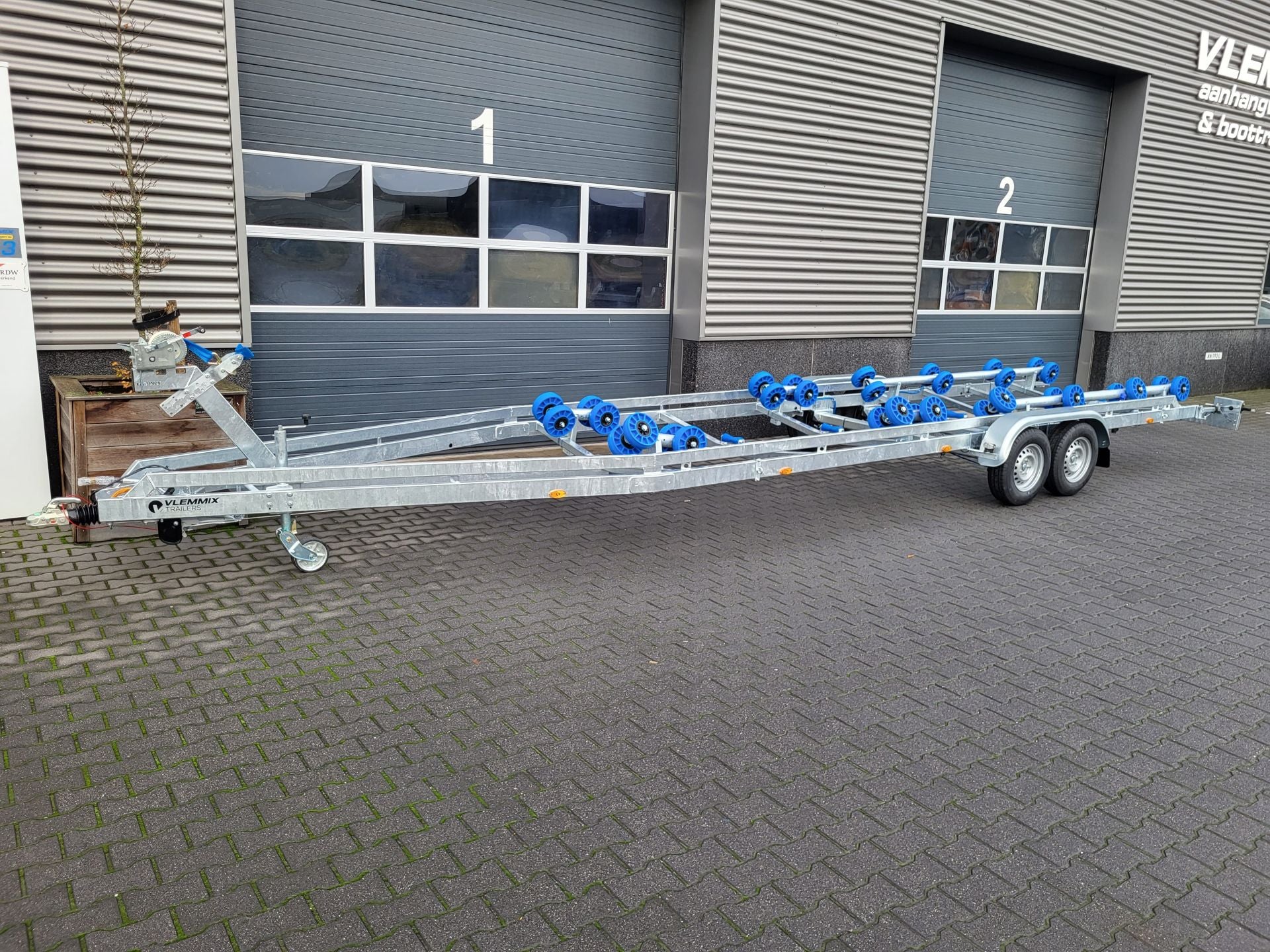
There are many different solutions for trailers for inflatable boats. These include multi-roller models that distribute weight evenly and prevent marks on the tubes, adjustable cradle models that hug the hull of semi-rigid boats, and hybrid versions with central rollers and side supports for more delicate hulls.
There are single-shaft models for smaller boats and double-shaft models for larger vessels where inertia demands greater stability. Details that aren't always mentioned in the brochure are important here: loading height, the quality of the hot-dip galvanizing, sealed bearings, the winch, and the bow guide. A proper design facilitates launching and retrieval from ramps covered in algae, reduces stress on the hull, and prevents jerking while underway. Choosing materials designed for saltwater and a geometry that truly supports the boat is the difference between enjoying the season and facing a series of repairs.