
Machinery transport trailers
Machinery transport trailers
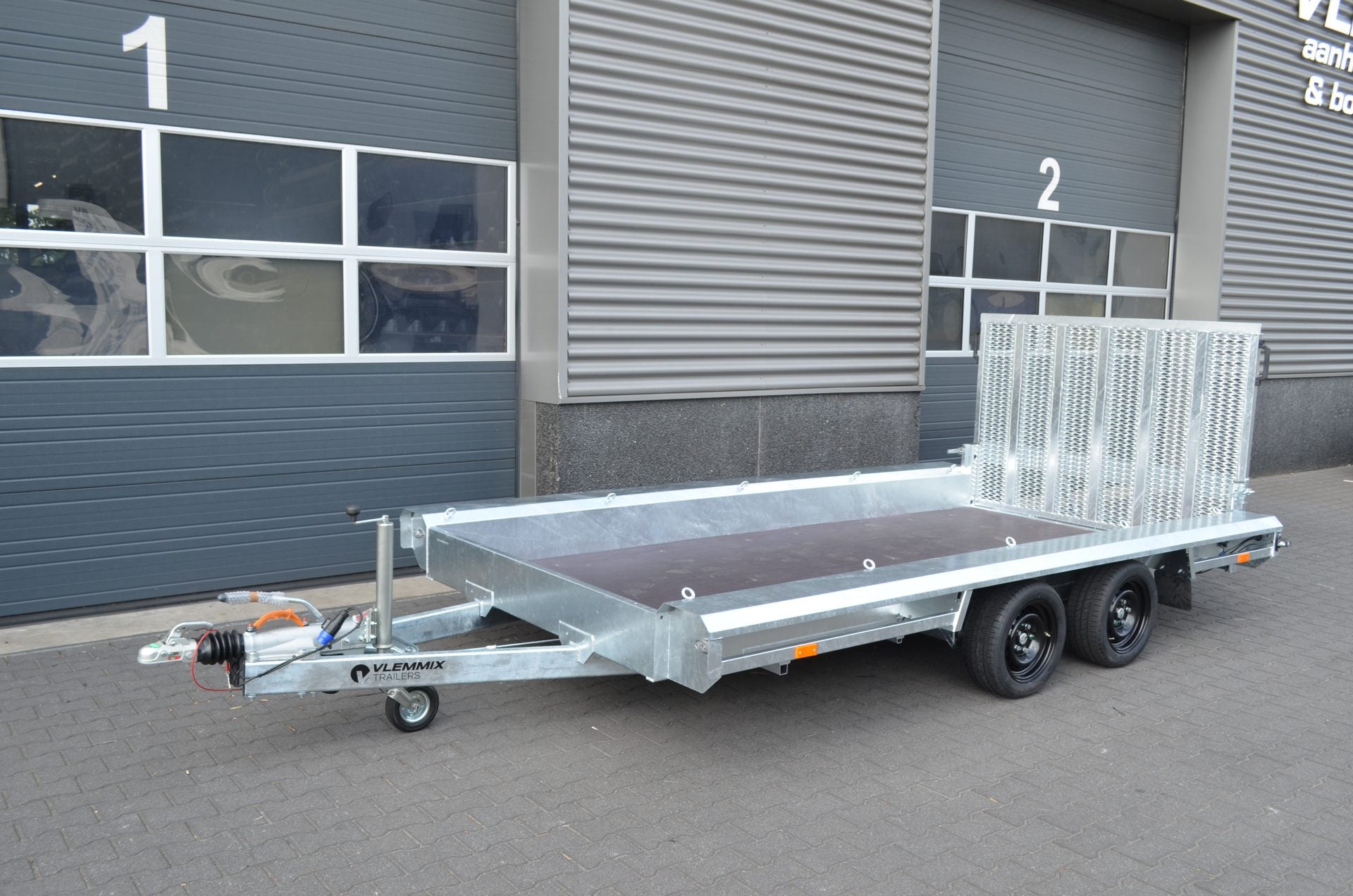


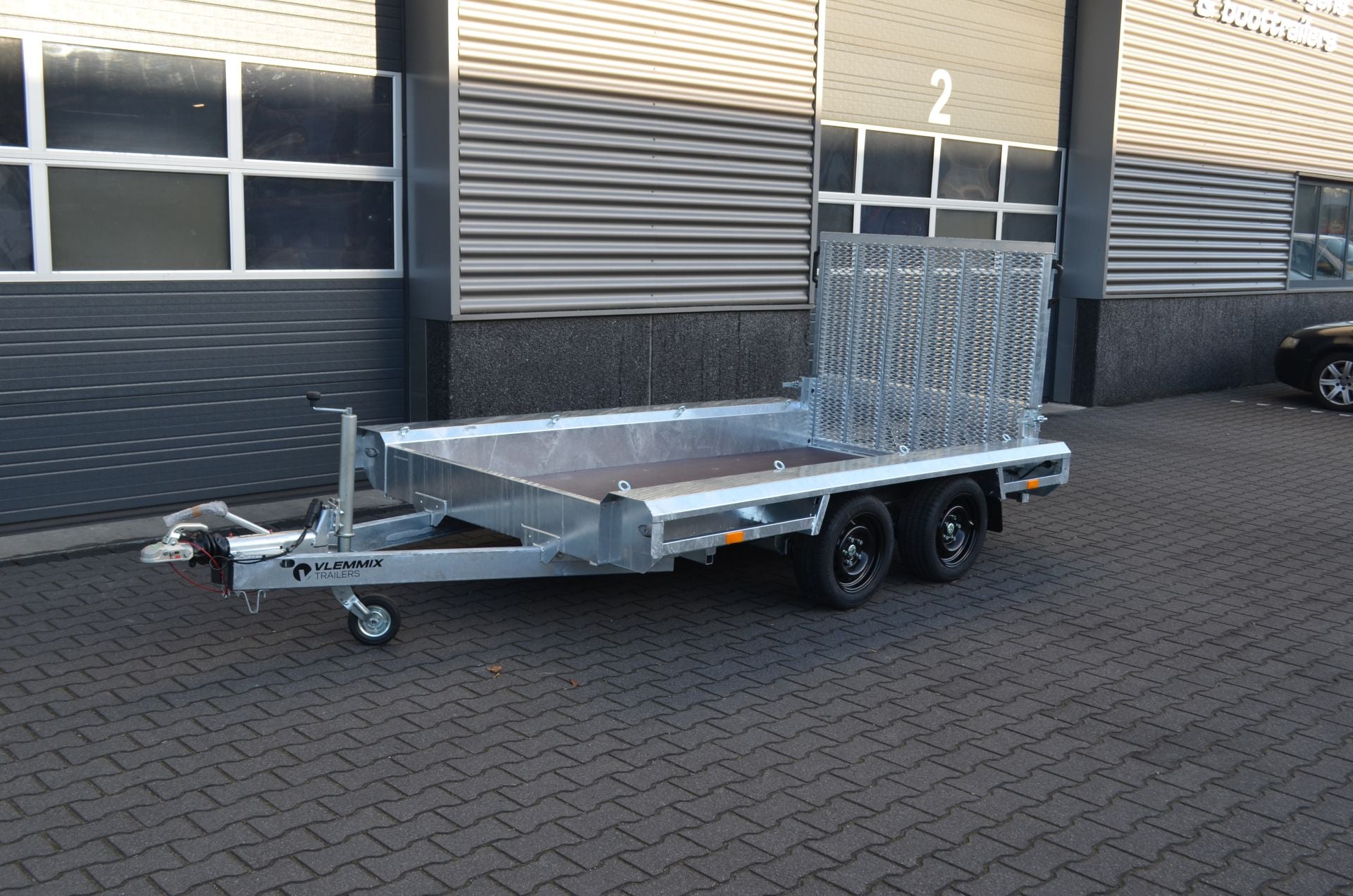
Machinery transport trailers
The support that makes all the difference when you have to move real "iron".
Transporting mini-excavators, aerial work platforms, dump trucks, skid steers, or compact machinery requires no shortcuts. Weight distribution, braking capacity, reliable anchor points, and platforms that protect both the equipment and the towing vehicle are all crucial. Choosing the right trailer prevents damage, reduces wear and tear, and minimizes risks on the road. In this section, you'll discover what defines a machinery trailer designed for serious work, who it's best suited for, and how to make the right purchase. The goal is simple: to provide you with concrete criteria to reduce breakdowns, ensure compliance with Spanish regulations, and give you peace of mind, whether you use this equipment daily or transport it regularly between construction sites, farms, or warehouses.
How to choose the best machinery trailer
Key technical criteria (load, MMA, dimensions, materials)
Start by considering the actual weight you'll be transporting and the maximum authorized mass (MAM) permitted by your license and vehicle. Don't just rely on the machine's "catalog" weight: add implements, fuel, and accessories. The trailer's MAM must include a safety margin. Dimensions matter as much as weight: if the platform is too short, you'll force poor weight distribution and worsen stability. In terms of materials, welded and galvanized frames tolerate harsh environments better, while non-slip phenolic floors work well if they are sealed and inspected. When a manufacturer doesn't publish clear technical specifications, it's a red flag. And let's be blunt: there are no publicly available, independent comparisons that rigorously pit brands against each other, so your decision must be based on verifiable data and compliance with current Spanish regulations.
Vehicle and hitch compatibility
A machinery trailer only makes sense if it's compatible with the towing vehicle. Check the towing capacity with and without brakes listed on the vehicle's registration document. Confirm that the hitch is approved and registered where applicable. The height of the ball affects load distribution: if the combination is unbalanced, it increases stress on the transmission and brakes. Check the electrical connection, the proper functioning of the lights, and, if equipped with an inertia brake, that the emergency braking system works correctly. Avoid matching the trailer based on gut feeling. Compatibility is verified with documentation and specifications, not intuition. A proper fit is what separates a predictable transport from a costly problem.
Safety and basic maintenance
A machinery trailer demands discipline. Correct tire pressures, tires without cracks, lubricated bearings, adjusted brakes, sturdy ramps, and intact tie-down points. The load must be secured with certified straps and protective covers, never with makeshift solutions. The weight should be slightly forward of the axle to prevent swaying, but not excessively. Cleaning after each day reduces corrosion and extends the life of the galvanizing. There are no recent public statistics specifically for this type of trailer; general reports on trailer accidents point to inadequate securing and poor maintenance as common causes. Checking before setting out saves on breakdowns, insurance claims, and unnecessary downtime. If you notice vibrations, the smell of brake pads, or unstable lights, stop and check. Leaving it until later is costly.
Catalog of machinery transport trailers
There are many different types of machinery trailers. Low-profile trailers with integrated ramps work well with mini-excavators and compact machinery. Gooseneck models allow for longer equipment to be accommodated without compromising the turning radius. Tilting versions facilitate loading with a shallower approach angle, crucial when working with rollers or low-torque vehicles. You can find them with a single axle for smaller loads and with double or triple axles when mass and inertia require greater support. The real limit isn't just the advertised figure: the platform height, frame rigidity, ramp quality, and the presence of inertia brakes and stabilizers all play a role. Choosing hot-dip galvanized steel and non-slip flooring increases lifespan and safety in wet conditions. Making these choices early on prevents bouncing, deformation, and tense maneuvers that can ultimately take their toll.