
Quick Summary
- De-winterizing is the overhaul that safely returns your boat to the water after the winter break.
- Most urgent: hull and running gear, engine and batteries, seacocks, safety, and documentation.
- Do it in spring, with plenty of time, before the first outing, not the day before.
- Start the engine dry with fresh water and check the tell-tale, smoke, and noises before casting off.
- If you stored it dry at home, de-winterizing is shorter and launching is immediate.
Spring is when most boat owners prepare their boat, just before the first outing of the year. Skipping this tune-up is the number one cause of scares in June: engines that won't start, dead batteries, seized seacocks, and expired safety equipment. De-winterizing is the reverse of winterizing and, if done well, can be completed in a morning. This guide gives you the correct order to get back in the water without surprises.
If you did your homework in autumn, this will be a quick review. The end-of-season routine is in the guide to storing your boat for winter; de-winterizing reverses those tasks, one by one. If winterizing was improvised, dedicate more time, as you'll have to compensate for what wasn't done in October.
Before you start, gather your materials: oil and filter if due for a change, coolant, antifouling and new anodes, marine grease, a battery charger, and common spare parts (spark plugs, belts). Having everything at hand avoids the classic halt of having to go to the store halfway through the task. Allow a long morning for a trailerable boat and a bit more if it wintered afloat and needs to be hauled out.
When to start de-winterizing
The most common calendar mistake is leaving it until the day before the first outing. If the engine won't start or a part is missing, you'll be stuck on land the weekend you wanted to launch. Start two or three weeks in advance.
The ideal window in Spain is between March and May, depending on the area and when you plan to sail. In the Mediterranean, many people launch in May or June; in the Cantabrian Sea and the North Atlantic, a little later. Getting ahead gives you time to order any spare parts, take the engine for service if necessary, and renew documentation without stress.
There's a practical reason not to rush: at the peak of the season, boatyards and workshops get saturated. A crane, a maintenance appointment, or a spare part that takes days in March can take weeks in June. Those who prepare their boat early sail sooner and cheaper. The boat, however, doesn't expire: if you winterized it well, it will wait calmly on dry land.
Hull and running gear: time to look below the waterline
With the boat still on dry land, you have access to the running gear, the submerged part of the hull, and it's the best time to check it. Inspect seacocks, through-hulls, propeller, shaft, and rudder for play, corrosion, or damage. This is an inspection you won't be able to do in the water until the next haul-out.
Take the opportunity to look for osmotic blistering and micro-fissures in the gelcoat. If you stored the boat afloat all winter, this point is critical, because osmosis progresses submerged. How to recognize and treat it is explained in the hull osmosis guide. Detecting it now, on dry land, is much cheaper than in the middle of the season.
Also check the antifouling and anodes. If wintering was dry, a new coat of bottom paint before launching keeps the hull clean all season. Replace sacrificial anodes that are more than half consumed: they are cheap and protect against galvanic corrosion all summer. Thoroughly clean the hull of salt and debris before returning it to the water, and check the condition of the waterline and the seacock gaskets, which is where leaks first appear.
Engine: make it start on the first try
The engine is where good winterizing is most noticeable. Start by checking fluid levels: engine oil, outdrive oil, and coolant. If you changed the oil in autumn, just verify; if not, do it now. Check that the belts are not cracked or loose and that the hoses have no leaks.
If you winterized the engine following the step-by-step engine winterizing guide, de-winterizing is its mirror image: install clean spark plugs, refill the circuit water if you drained it, and open the seacock you left closed. First of all, remember that starting with the seacock closed melts the impeller in seconds.
Do a dry test with fresh water before launching. Connect the muffs or a tank, start the engine, and let it reach operating temperature. Watch for three signs: the tell-tale should expel a constant stream, the exhaust smoke should be clean, and the idle should be stable. Any strange noise or black smoke is a reason to check before going out, not after.
For inboard or sterndrive engines, also check the entire raw water circuit (pump, heat exchanger, hoses) and the condition of the transmission or saildrive. Grease moving parts and check that the shaft and block anodes are still intact. If the engine hasn't been serviced by an authorized dealer for more than a couple of seasons, this is a good time for a check-up: detecting a worn belt or impeller in the yard costs a fraction of what a breakdown three miles offshore costs.
Batteries and electrical system
The battery is what leaves most owners stranded on their first outing. If you kept it on a charger-maintainer during the winter, it will be fully charged. If you left it unattended, it's likely that it has lost capacity and needs replacing.
Check the charge and the condition of the terminals: clean them of sulfate and tighten the connections. Reconnect the battery if you removed it, reinstall the batteries in remotes and devices, and turn on the onboard electronics (fishfinder, GPS, VHF, navigation lights) to confirm everything is working. A flashlight that doesn't turn on at the dock is a cheap warning; at sea, it's a problem.
If your boat has two batteries (starting and house), check both separately and the condition of the panel and fuses. Winter humidity corrodes contacts and terminal blocks, especially if the boat was exposed to the elements. A little dielectric spray on connections near the sea prevents surprises. And test the onboard charger if you have one: ensuring it charges well in port allows you to string together outings without being stranded.
Onboard systems, safety, and documentation
Review the water systems: fill the freshwater tank you emptied, check the pump, and open the seacocks you closed. Check the bilge and its bilge pump, which absolutely must work on the first outing.
The most overlooked block is safety and paperwork. Check that the equipment is complete, accessible, and current: life jackets in good condition and properly sized, unexpired flares, serviced fire extinguishers, and an up-to-date life raft if you carry one. The mandatory equipment depends on your navigation zone, so confirm it before setting out, because what's enough for coastal navigation is insufficient offshore.
Also check that your insurance, ITB (technical inspection), and license are still valid. Renewing on time prevents an inspection by Salvamento Marítimo or the Civil Guard from ruining your outing with a fine. Note the expiration dates of flares and extinguishers on your phone so you're not caught off guard next year. Five minutes of paperwork at home are worth more than a fine or, worse, being without equipment in a real emergency.
If you stored it dry at home: the season starts sooner
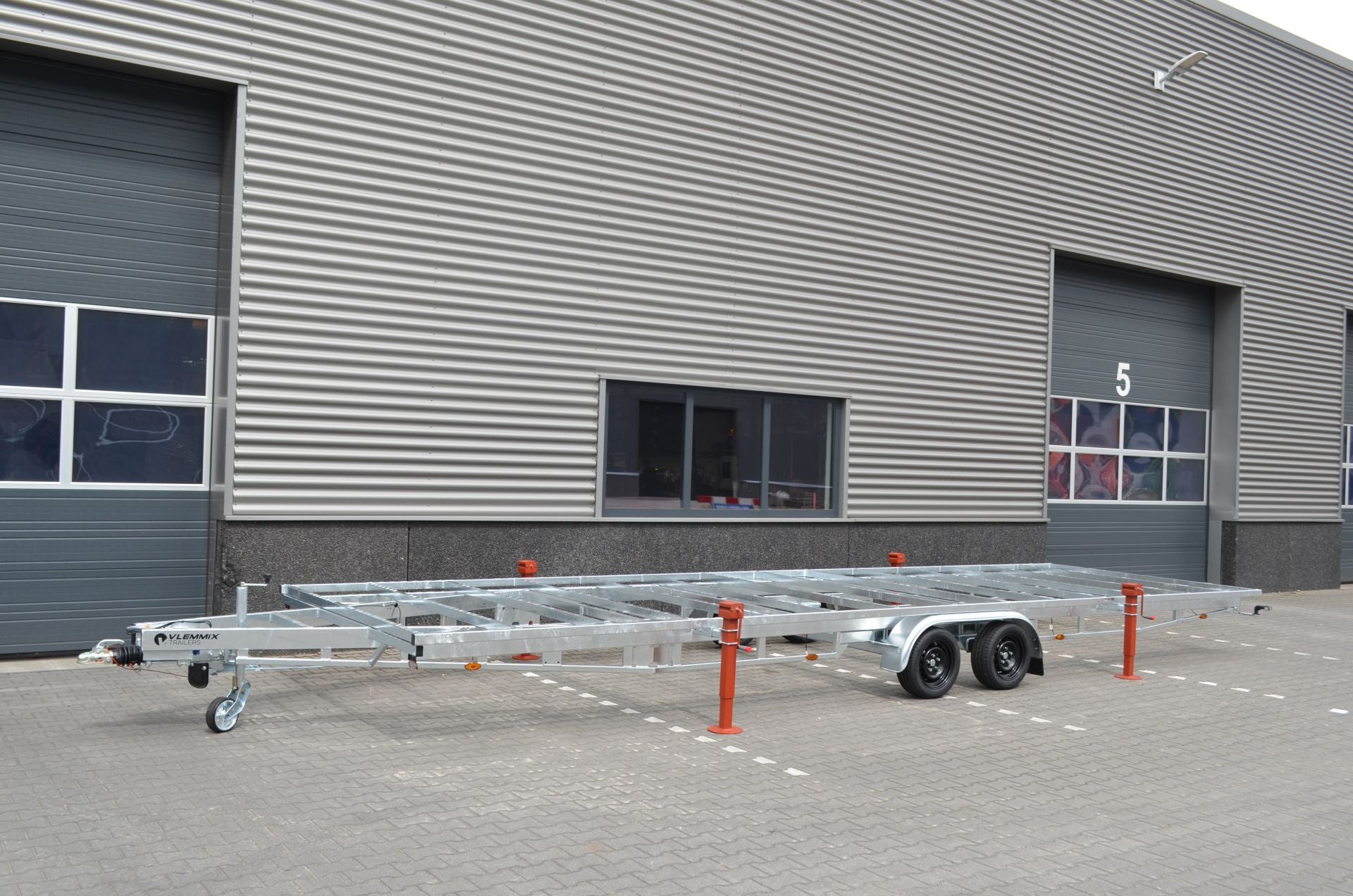
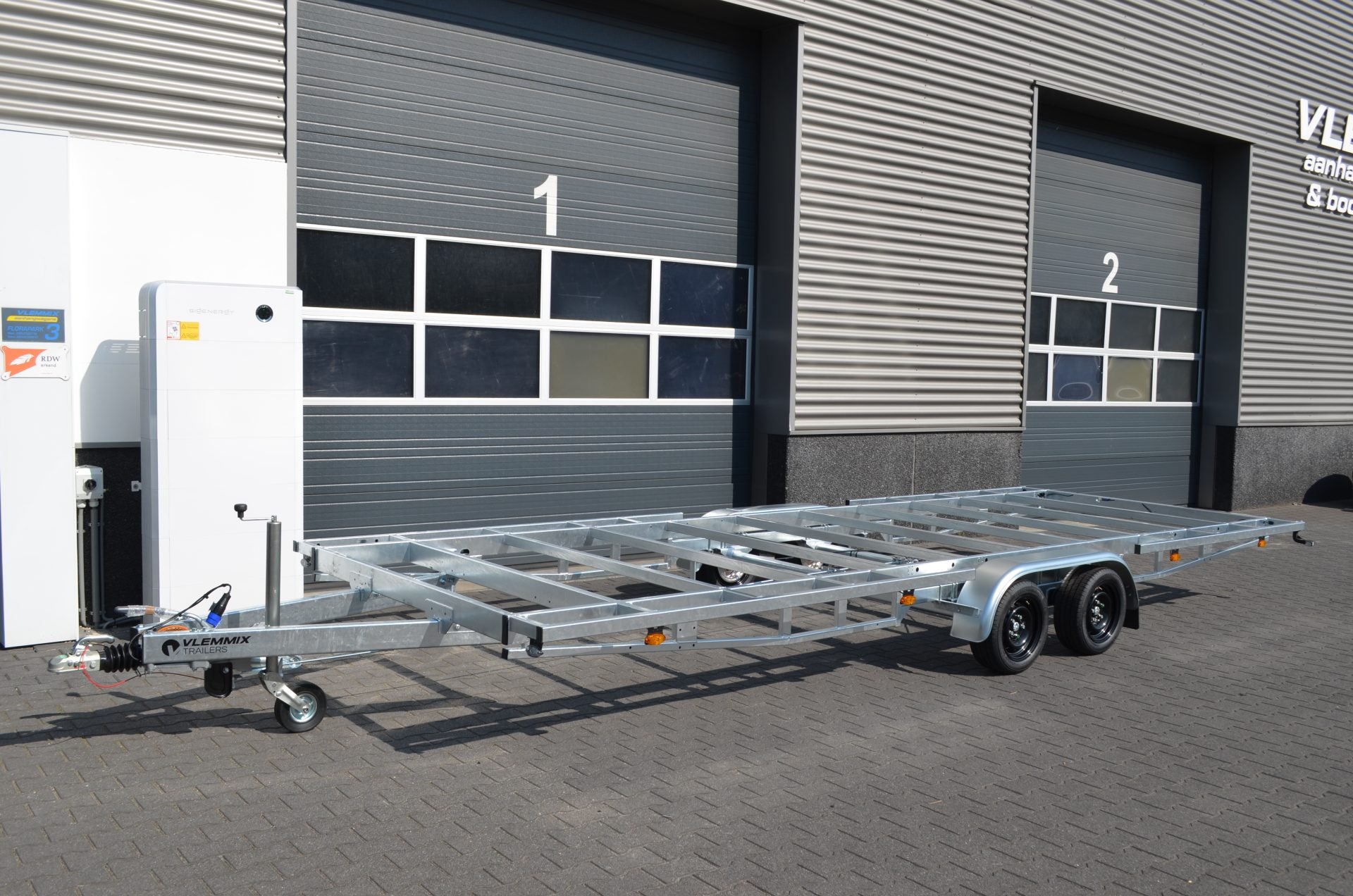
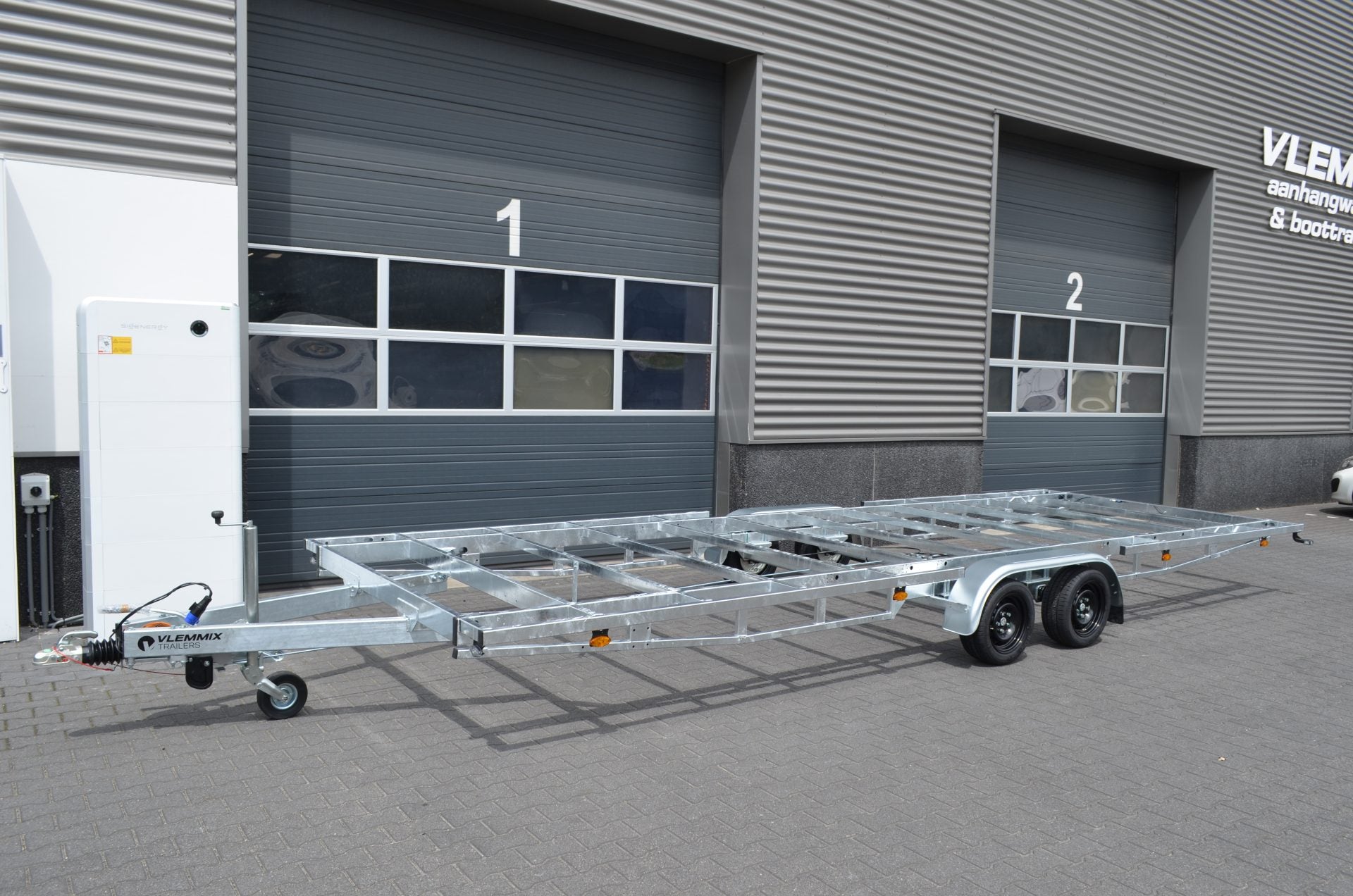
Anyone who spent the winter with their boat dry on their property has an advantage. The hull rested from osmosis, de-winterizing is shorter, and launching depends only on you, not on the boatyard's schedule. This is precisely the scenario for which boat stands and boat storage trailers exist.
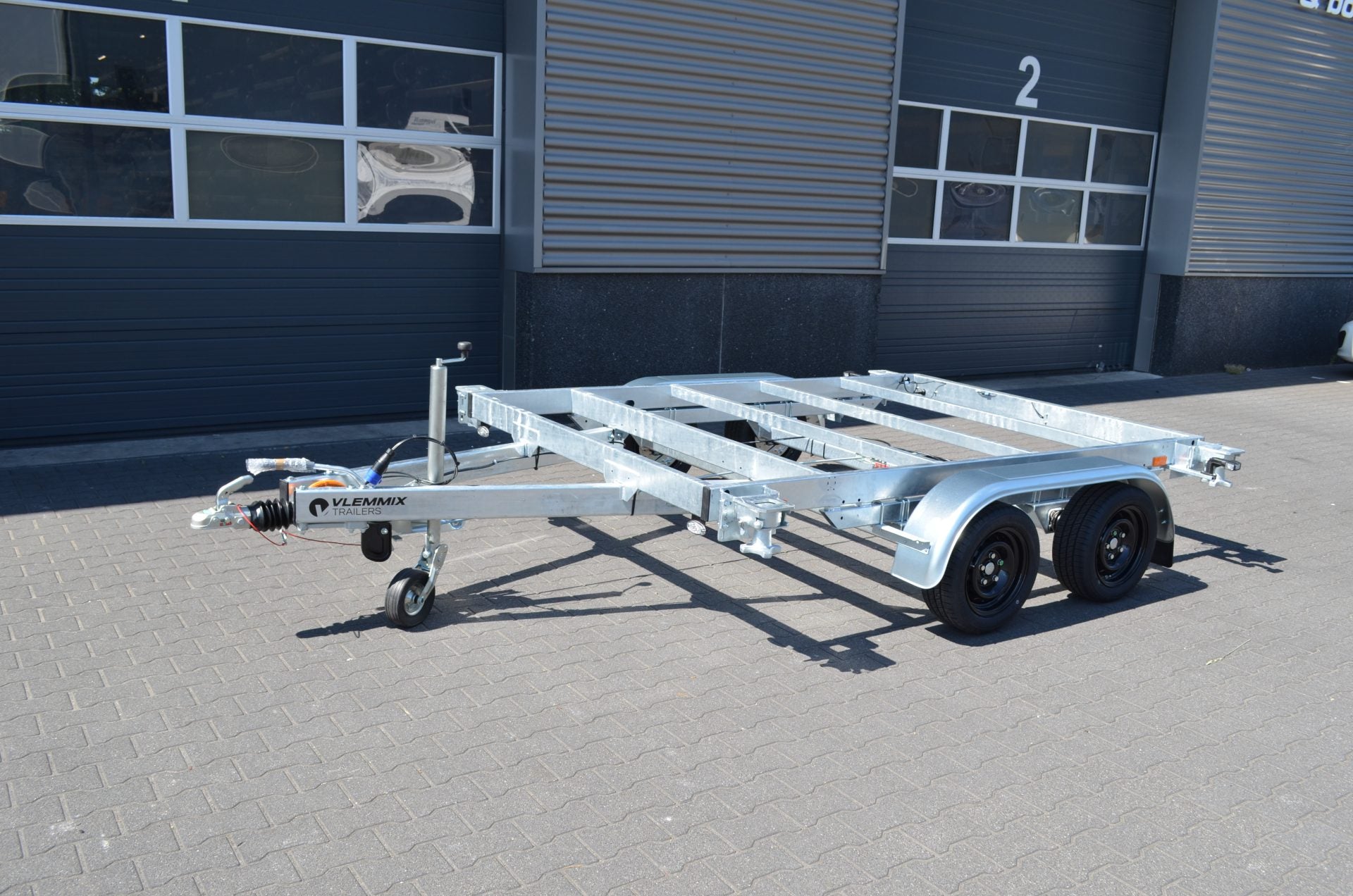
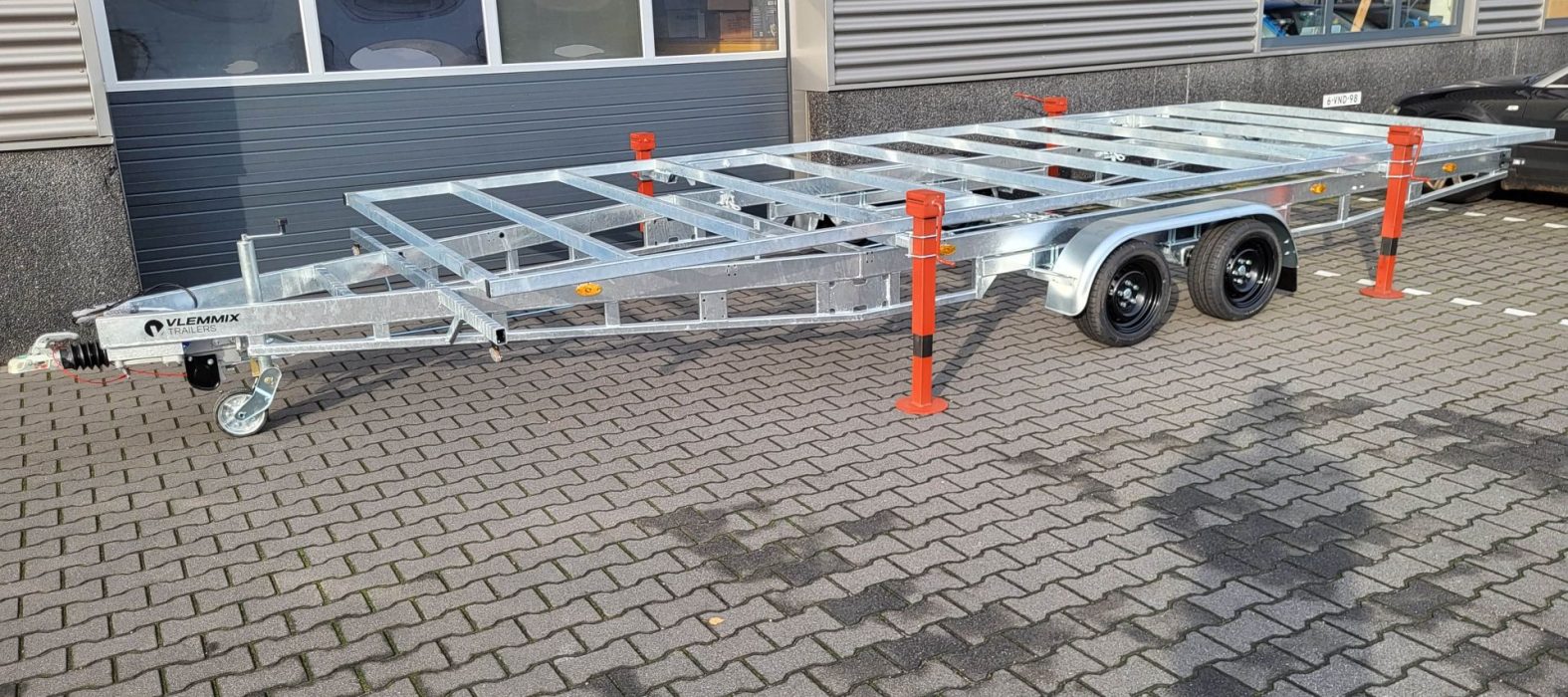
If you store your boat on a trailer, before heading to the ramp, check the equipment itself: tire pressure, bearings, lights, and hitch. And secure it properly by following how to correctly load the boat onto the trailer, because improper support on the road undoes a whole winter's care in an hour. For options by length, the starting point is the boat trailers category.
Having your boat at home on its stand turns de-winterizing into a garage routine and saves you mooring fees during the months you're not sailing. It's the same equipment you use to store it in winter and to launch it in summer.
How much it costs and how long it takes
Doing the de-winterizing yourself only costs for consumables: oil, coolant, antifouling, anodes, and little else add up to a few tens of euros, and many will last you more than one season. The bill goes up if you delegate hauling out, crane services, and engine maintenance to a service, which is reasonable when the engine is under warranty or you detect a fault.
In terms of time, a well-winterized trailerable boat can be made ready in one morning; one that spent the winter afloat adds the hours for hauling out, bottom cleaning, and antifouling. The difference, again, is determined by how you closed the previous season: a good winter shortens the spring.
Frequent de-winterizing mistakes
The first is starting the engine without water. Without cooling, the pump impeller melts in seconds. Always connect fresh water before starting, even for a short test.
The second is trusting last year's battery. A battery that spent the winter discharging may seem alive and die in the first hour. Test it under load before trusting it offshore.
The third is taking safety equipment for granted. Flares expire, fire extinguishers lose pressure, and life jackets degrade. Checking them at the dock is too late; do it at home, with time to replace them.
The fourth is launching without checking the running gear. Once in the water, you lose access to the hull until the next haul-out. Every seacock, anode, and through-hull is checked dry or not at all.
Frequently asked questions
When should I de-winterize my boat?
In spring, two to three weeks before the first outing. In Spain, most people prepare their boat between March and May and launch in May or June. Getting ahead gives you time for spare parts and to renew documentation.
What should I check first when preparing my boat?
In this order: hull and running gear (dry), engine and batteries, seacocks and bilge, and finally safety and documentation. Finish with a dry engine test with fresh water before launching.
Why won't the engine start after winter?
The most common reasons are a dead battery or degraded gasoline clogging the carburetor or injectors. That's why it's advisable to keep the battery on a charger in winter and add stabilizer to the fuel. Also check spark plugs and fluid levels before repeatedly trying to start it.
Does antifouling need to be changed every year?
It is usually renewed during the annual haul-out, before returning the boat to the water, along with changing anodes. It keeps the hull clean all season and takes advantage of the boat being dry for easy application.
Is de-winterizing easier if I stored the boat dry?
Yes. The hull didn't suffer from osmosis, there's no need to take it out of the water, and launching depends only on you. A boat stored dry on a stand or trailer comes into the season in better condition and with less preparation work.
What should I check on the first outing, once in the water?
Before moving away from the coast, confirm that the bilge pump is working, that no water is entering through the through-hulls, that the steering and throttle respond well, and that the electronics and lights are still operational. Make the first outing short and near the port: it's the real test of de-winterizing and the time to detect any looseness before a long voyage. Keep your phone charged and inform someone of your navigation plan, in case the tune-up leaves any loose ends.
Do you store your boat at home and want to launch whenever you want without depending on the boatyard? Check out boat trailers and we'll help you choose the right support for your length, without obligation.