
Trailers for Parades and Floats

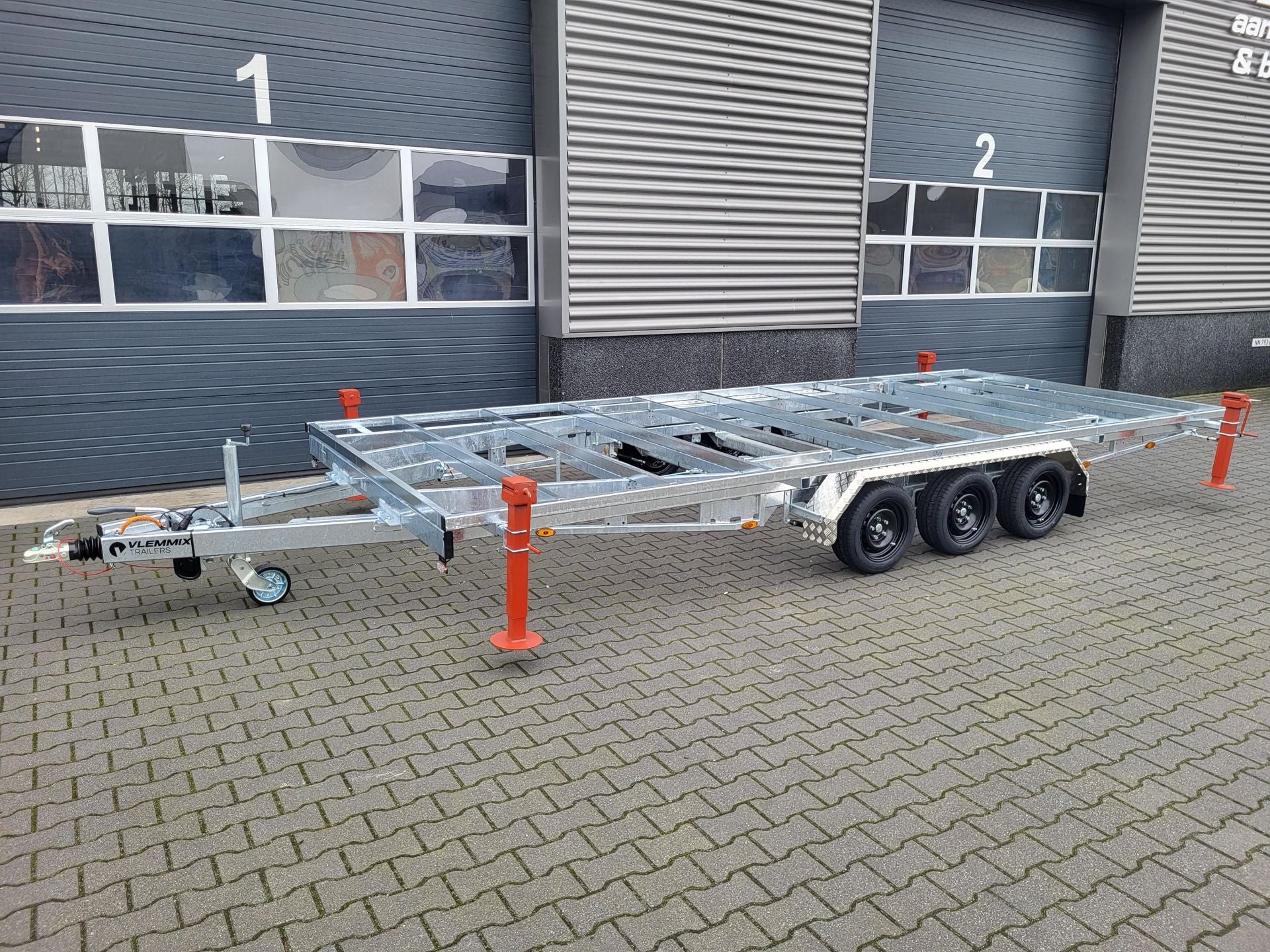
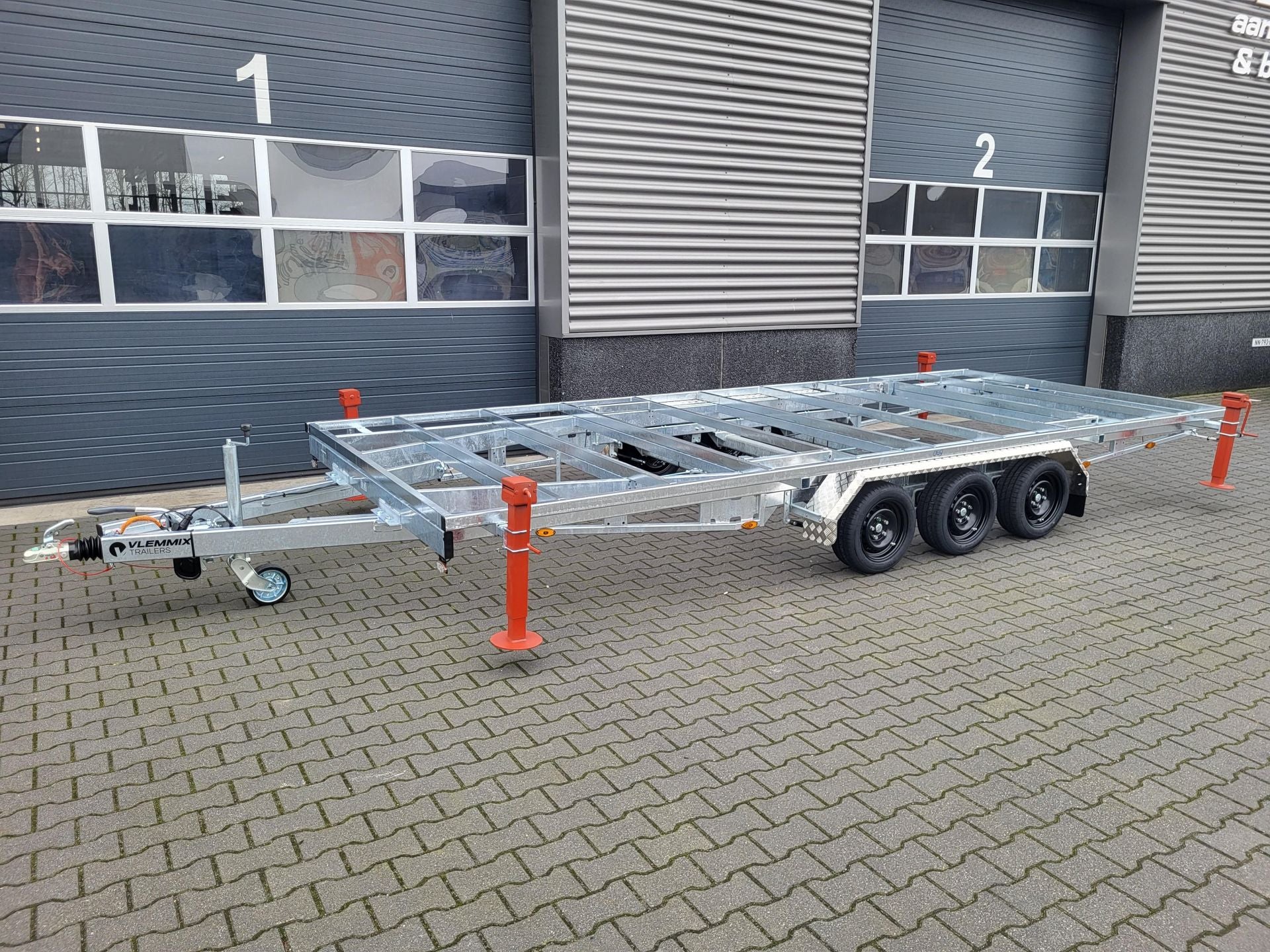
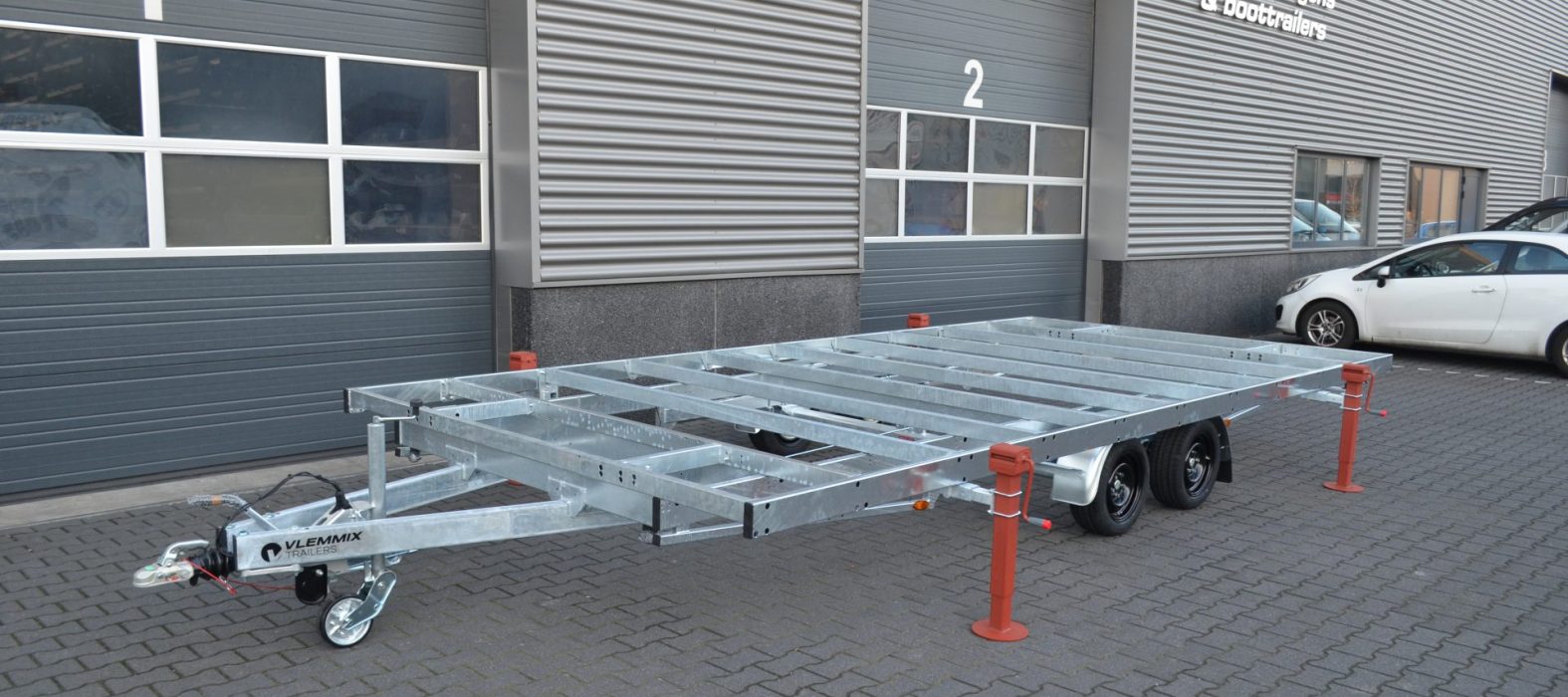
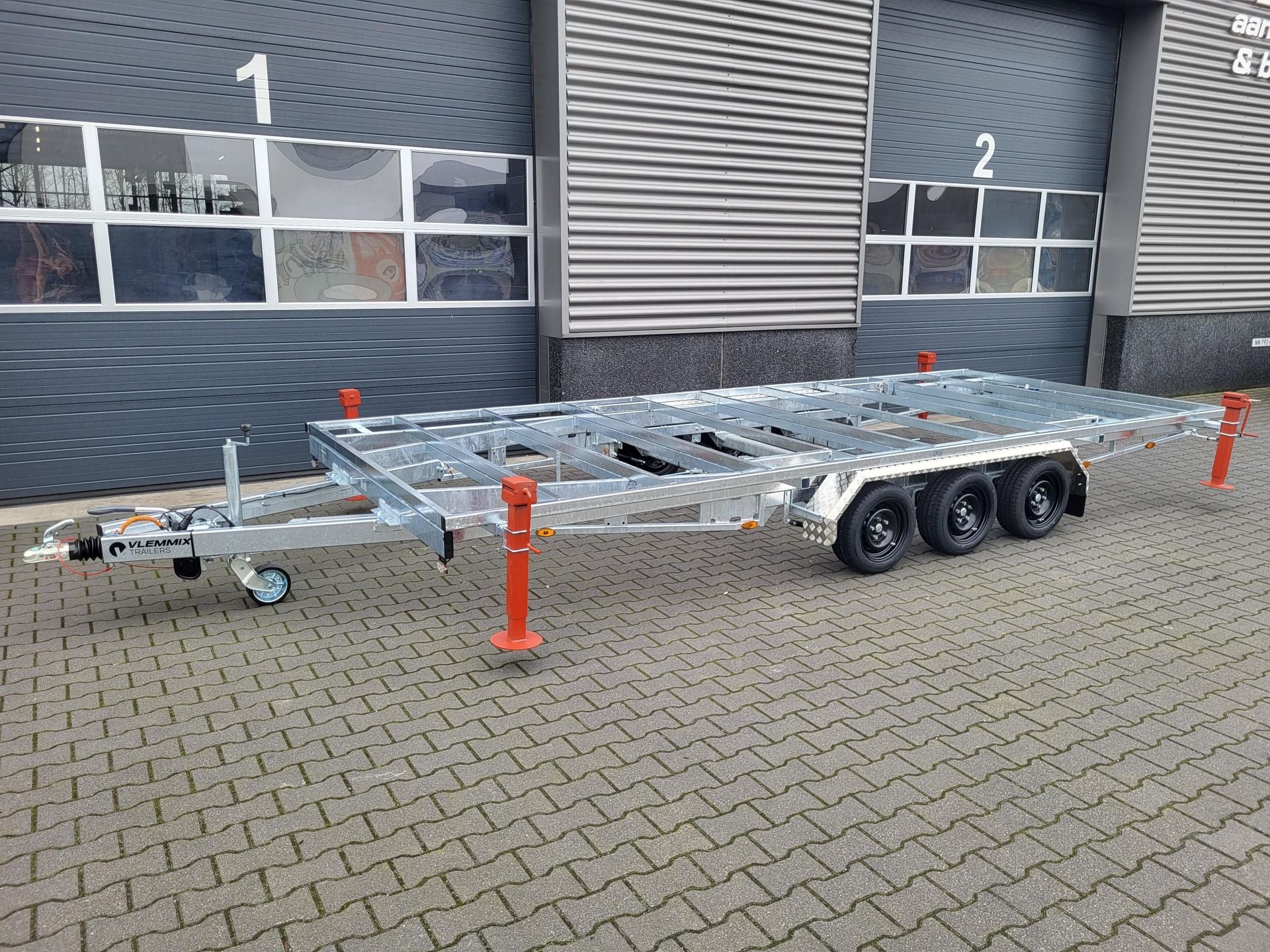

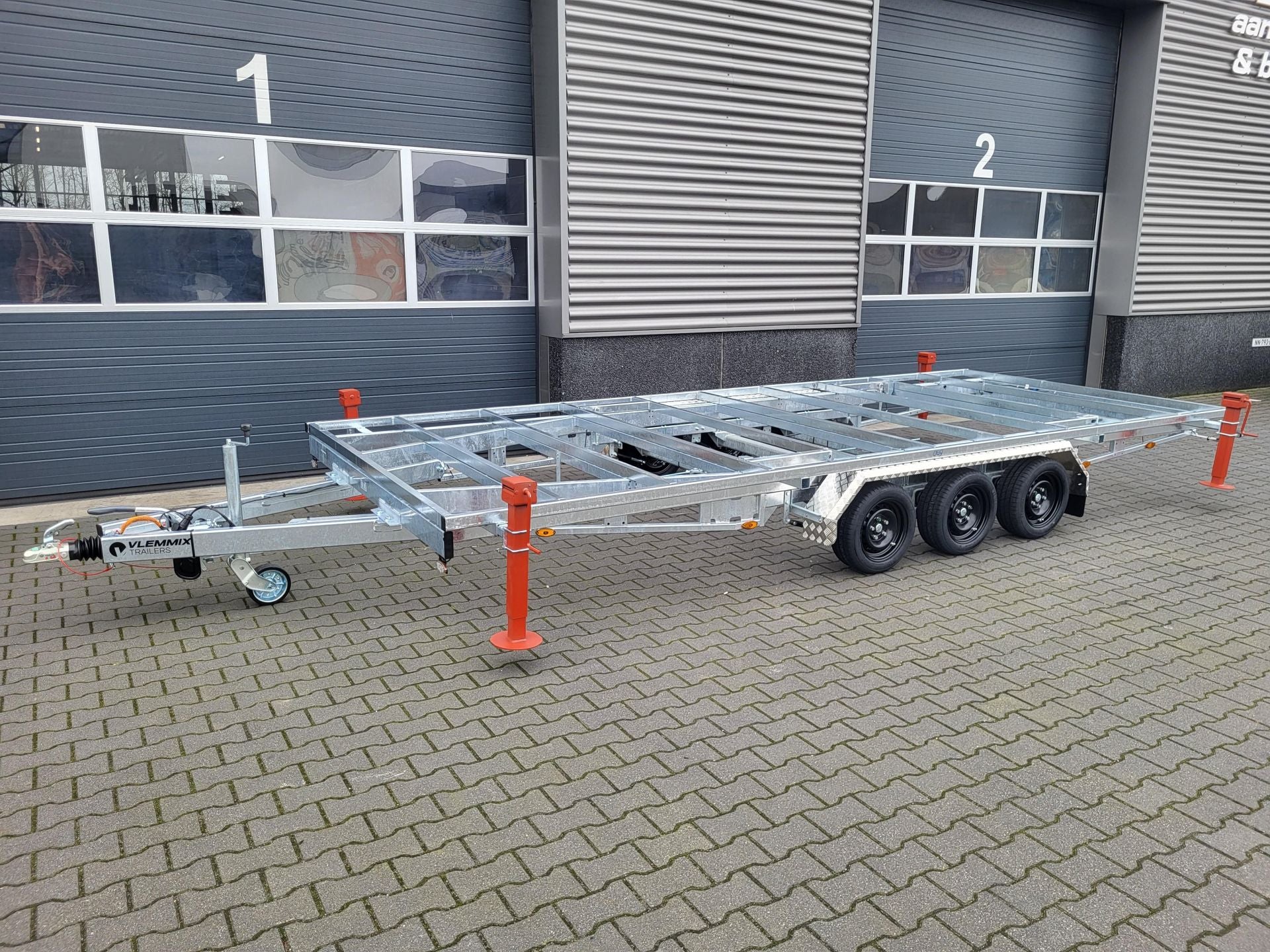

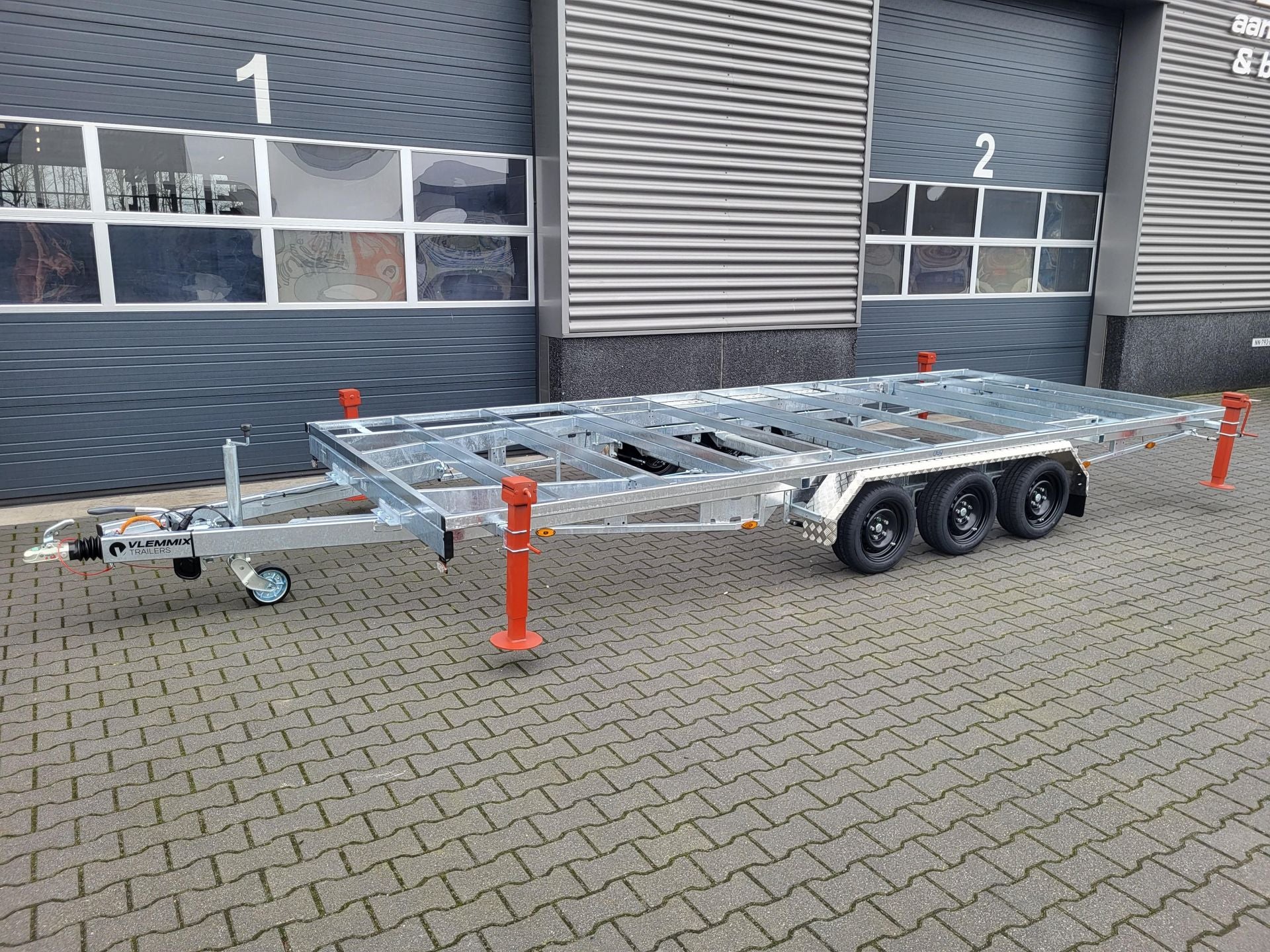
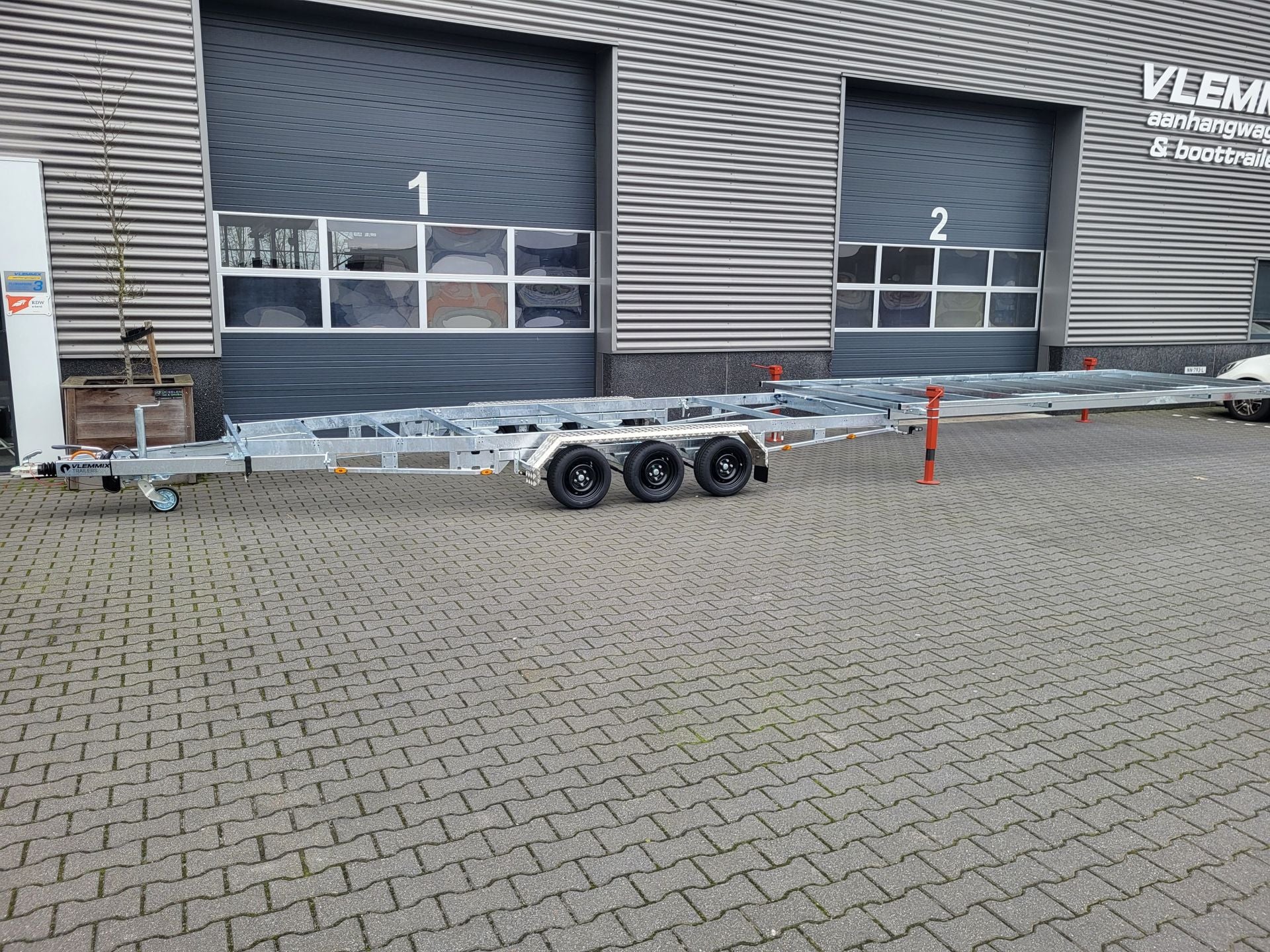
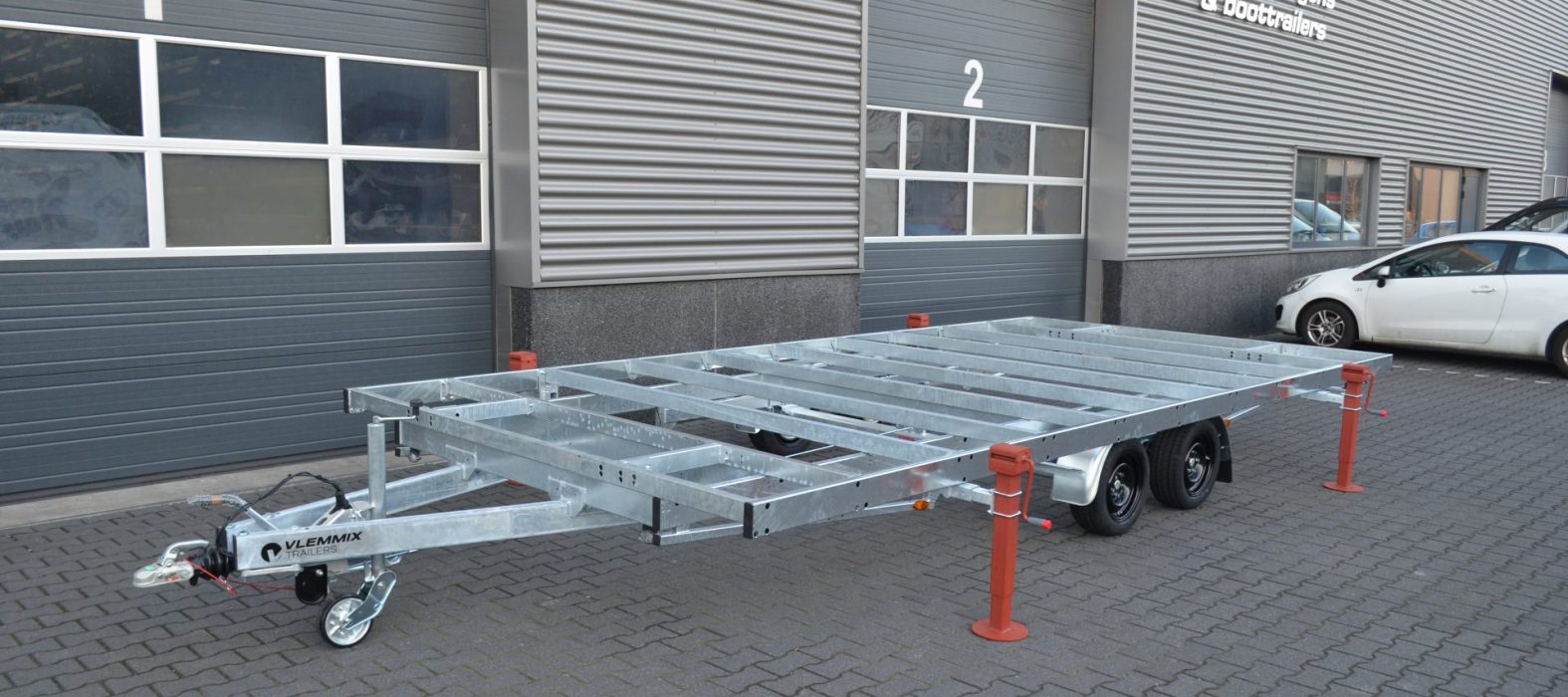
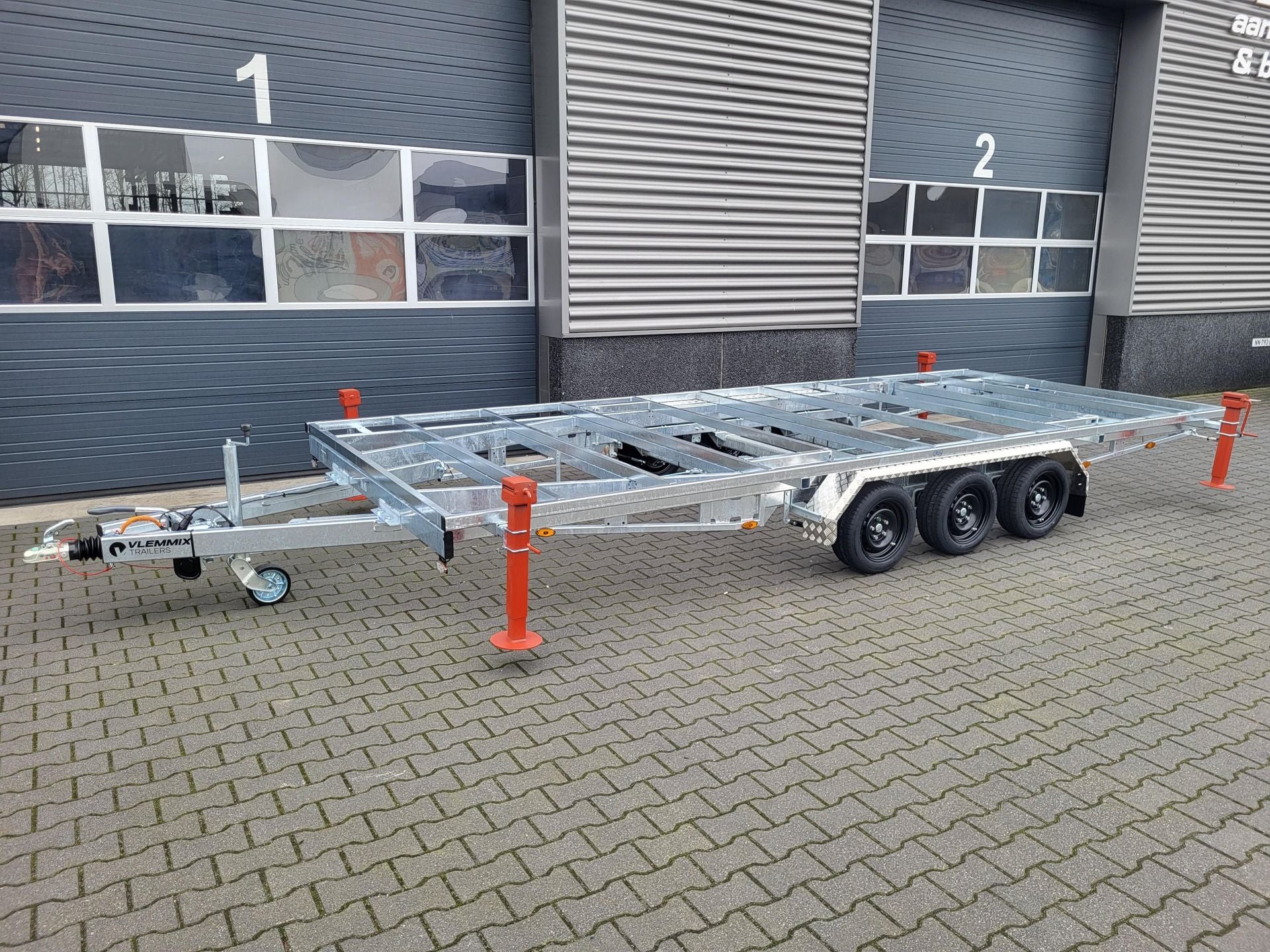
Build your parade float from scratch on a type-approved flatbed
Building a parade from scratch calls for an early decision that shapes the whole project: the base the float is built on. Choosing the right flatbed avoids cost overruns, type-approval delays and nasty surprises at the roadworthiness test on parade day. At Remolque.es we sell factory type-approved flatbeds for Epiphany parades, Carnival, local festivals and processions, with delivery throughout Spain and personal service from Arnaud.
Three reasons to start here:
- A 6 m trailer with a 570 kg tare weight. Up to 230 kg lighter than the competition.
- 2 mm hot-dip galvanised steel. EU type approval and a 2-year warranty.
- No bespoke builds, no vague quotes. Fixed price and delivery within weeks.
Why a type-approved flatbed beats the alternatives
Before you buy, it helps to know what the market offers and why a factory flatbed is usually the most profitable choice for a brotherhood, club or festival committee starting a parade project.
Custom-built trailer. A regional manufacturer builds the base from scratch to your drawings. High cost, lead times of 2 to 4 months and total dependence on the workshop. It makes sense for floats with impossible geometry (5 m heights, articulated multi-level builds), not for 90% of projects.
Second-hand trailer. An apparent saving that usually costs dearly: an overdue roadworthiness test, degraded galvanising, worn brakes and incomplete paperwork. A failed inspection in November can wreck the January parade.
Renting per event. It covers a one-off edition, but the numbers stop adding up once the project recurs. Three rentals typically cost more than buying a new flatbed outright.
Factory type-approved flatbed (our proposal). A standard-size base from 2 to 7 m, certified weight, its own registration plate and EU paperwork. You build the decorative structure on top and take it down afterwards. The base stays available for other jobs the rest of the year.
The 5 steps to build a parade project from zero
A new parade project almost always fails because of decisions taken at the end about problems that should have been solved at the start. This sequence puts first things first.
1. Define the size and theme of the float
Before you look at trailers, decide how many people will ride on it, what the theme will be and what maximum height the route allows (bridges, overhead cables, street arches). A typical Epiphany float carries 6-10 performers, measures 4-6 m long by 2.2 m wide and stays under 4 m in total height. With those figures you can start sizing the base.
2. Work out payload and driving licence
This step gets skipped often and creates the most common problem: the finished float weighs more than planned and the towing vehicle cannot legally pull it. Add up the weight of the performers (80 kg per person), the decorative structure (150-400 kg), the sound system, the generator and the props. The flatbed's gross weight has to cover that load plus its own tare weight.
On licences: with a category B licence you can tow flatbeds up to 750 kg gross weight with no further formalities, or as long as towing vehicle plus trailer stay under 3,500 kg combined. If the loaded float weighs more, you need B+E or a lighter flatbed. Here the trailer's own weight counts, literally: starting from 570 kg instead of 800 kg frees up 230 kg of payload without changing licence category.
3. Choose the right type-approved flatbed
The two configurations that cover 95% of parade projects are the continuous flat platform and the flatbed with demountable sides. The first makes it easier to build tall, complex structures. The second allows dual use: a float in January, material transport the rest of the year. Both come with a technical data sheet, a registration plate and a valid roadworthiness test.
4. Build the decorative structure
On the type-approved flatbed you build the raised deck, props, figures and electrical system. Regulations require railings, visible perimeter lighting and verified fixing of every element. Always check the municipal by-laws of the organising council: each town sets maximum heights, safety distances and the requirement to carry a fire extinguisher.
5. Register, insure and pass the roadworthiness test
The flatbed is delivered registered and with its roadworthiness test up to date. The decoration on top needs no separate approval as long as it does not modify the chassis. Take out trailer insurance specific to the event day (between €30 and €80 depending on cover) and keep the registration document on the float. Many councils ask for it at the start-line check.
Recommended models for parades and floats
Within the Tiny House catalogue, two ranges are designed for float projects. Both can be configured up to 3,500 kg gross weight.
Flat Platform
A continuous base with no sides. Designed for large floats where the decorative structure is anchored straight to the trailer bed. Usual sizes from 3.00 x 1.50 m to 6.00 x 2.20 m. Tare weight from 420 kg in the basic configuration. Ideal for tall Epiphany floats, narrative themes (fairy tale, mobile nativity) and sets that need a clear deck.
When to choose it:
- The decoration covers the full footprint of the trailer.
- Several performers will ride on it and you need a wide, solid deck.
- The project repeats year after year and the float is dismantled afterwards.
Demountable Flatbed
The same flat base with demountable 30-40 cm sides. The difference is strategic: the trailer does two jobs. In January you use it as a parade float. The rest of the year you haul event chairs, stage equipment, fair displays, event furniture or general cargo.
When to choose it:
- The association runs several events a year and needs to pay off the investment.
- The budget is tight and the trailer has to serve general logistics too.
- You plan to rent the trailer out off season.
What our flatbeds include (and why it matters on a parade)
The difference between a flatbed that lasts 15 years and one showing rust by its third January comes down to materials and processes.
2 mm steel in the chassis. The industry standard is 1.5 mm. Half a millimetre more thickness means greater resistance to off-centre loads (performers jumping, heavy props set off axis) and better behaviour under impact.
Full hot-dip galvanising. Not just paint. The complete frame goes through a bath of molten zinc at 450 °C, which guarantees corrosion protection inside the profile and on the welds, the places where rust shows up first. Critical if the parade takes place on the coast or in a wet winter.
570 kg tare weight on the 6 m model. Between 80 and 330 kg less than the competition (650-900 kg is typical). With gross weight capped at 3,500 kg, those freed-up kilos become real payload for performers, scenery and a generator set.
Full EU type approval. Technical data sheet, roadworthiness certificate and paperwork in the buyer's name. No extra formalities when registering the trailer in Spain.
2-year warranty on manufacturing defects. The industry standard is 1 year or 6 months. Doubling that term covers the parade's second edition.
One single contact: Arnaud. Enquiry, order, invoicing, delivery and after-sales with the same person. You will not be passed through four departments if something goes wrong in parade week.
Events our flatbeds are used for
- Epiphany parades. Town councils, brotherhoods and festival committees across Spain.
- Carnival processions and comparsas. Cádiz, Tenerife, Las Palmas, Águilas, Vinaròs, Ciudad Rodrigo.
- Patron saint festivals. Club parades, giants and big-heads, themed floats.
- Pilgrimages and brotherhoods. Rocío, Andújar, San Isidro, Marian patron festivals.
- Local fairs and opening ceremonies. Opening float, marching band, tourism promotion.
- School and cultural parades. End of term, university festivities, sporting events.
Frequently asked questions before buying a parade float trailer
What licence do I need to tow the float?
With a category B licence you can tow flatbeds whose gross weight does not exceed 750 kg, or where the combined gross weight of towing vehicle and trailer stays under 3,500 kg. Above that you need a B+E licence. Choosing a flatbed with a low tare weight (570 kg on the 6 m model) lets you load more within the same category B.
Are they type-approved for road use?
Yes. All our models meet European CE regulations and are delivered with a technical data sheet, a valid roadworthiness certificate and a registration plate in the buyer's name. You can drive legally from day one.
Does the float need re-approval once decorated?
The flatbed keeps its type approval as long as the decoration does not alter the chassis, the original fixings or the lighting and braking systems. What most councils do require is compliance with their parade by-laws: maximum height, railings, a fire extinguisher on board, signage and public liability insurance specific to the event.
What is the delivery time?
It depends on the model and the time of year. Standard flatbeds in stock: 1 to 3 weeks from order confirmation. Specific configurations: 4 to 6 weeks. We recommend ordering in September or October if the parade is in January, to avoid demand peaks.
How much does a type-approved float flatbed cost?
The usual range runs from €1,900 for small flatbeds up to €4,500-5,500 for 6 m models with a 3,500 kg gross weight. Between 15% and 50% below equivalent bespoke builds from regional manufacturers. A fixed order before you sign: no surprises on the invoice.
Do you offer financing?
Yes, we arrange direct financing for associations, brotherhoods and companies over terms of 12 to 60 months. Arnaud prepares the quotation with the real figures of your project before you order.
Can I use the same trailer for other loads the rest of the year?
The Demountable Flatbed and Flat Platform models are built for general cargo. The parade takes up one or two days a year. The rest of the time the trailer carries materials, furniture and fair displays, or gets rented out. It is the fastest way to pay off the initial investment.
What happens if a defect appears at 18 months?
It falls within the 2-year warranty on manufacturing defects. Arnaud handles the repair or replacement directly with the manufacturer. You do not have to deal with middlemen.