
Inflatable Boat and RIB Trailers | Remolque.es
Inflatable boat trailers
choosing well protects your boat… and your wallet
Moving a RIB or a large inflatable boat is more than just getting it in and out of the water. Contact with the keel, support on the rollers, salt corrosion, grip on slippery slipways and stability on the road all put the outfit to the test. A failure here ends in torn covers, damaged valves or a scare under braking. In this guide you will find what modern inflatable boat trailers offer, who they suit and how to choose well without overpaying. The aim is clear: to give you the criteria to buy with confidence, extend the life of your boat and stay within Spanish regulations without surprises, whether you sail often or only make occasional seasonal transfers between the marina, the garage and the boatyard.
How to choose the best inflatable boat trailer
Key technical criteria (load, gross weight, dimensions, materials)
Start with the actual length and the running weight of your inflatable boat: include the engine, fuel, accessories and safety equipment. The trailer's gross weight must leave enough margin so that you are never running at the limit. Dimensions matter: a short chassis forces you to set the boat too far forward and unbalances the outfit; an over-long one makes manoeuvring harder. The rollers should tilt and be made of a material that leaves no marks, and the side cradles should be adjustable. On materials, hot-dip galvanised frames and sealed axles cope better with salt water; stainless steel fasteners cut maintenance. If the manufacturer does not publish a detailed spec sheet, take note. There are no public, independent comparisons in Spain that rigorously pit brands against each other, so it pays to rely on verifiable data, on the manuals and on what current regulations require before deciding.
Compatibility with vehicle and towbar
An inflatable boat trailer has to work with your car or 4×4. Check the towing capacity with and without brakes in the vehicle documents, and confirm that the towball is type-approved and registered where required. The height of the towbar affects load distribution; a misaligned outfit puts unnecessary stress on the boat on slipways. Check the electrical connection, the lights and, if it has an overrun brake, that the breakaway system works properly. Think about gradients and slippery surfaces too: a vehicle that tows well on the flat can fall short on the harbour slipway. Compatibility is decided with figures and paperwork, not with hunches. Getting this right avoids scares under braking, wheelspin and premature wear on the transmission and tyres.
Safety and basic maintenance
With inflatable boat trailers, safety starts before you hitch up. Correct pressures, tyres free of cracks, greased bearings, adjusted brakes and a winch in good order. Straps must be certified and tensioned without biting into the tubes. After every launch, rinse the frame, the axles and the rollers with fresh water: salt shortens the life of the galvanising. Check pulleys and pins before the season. There are no recent, specific public statistics in Spain for this particular type of trailer, but general reports on trailer accidents point to poor securing and neglected maintenance as recurring causes. If you notice snaking, a smell of brake lining or flickering lights, it is time to stop and check. The ten-minute routine nobody sees is what prevents costly hull damage and problems with your insurer.
Inflatable boat trailer catalogue
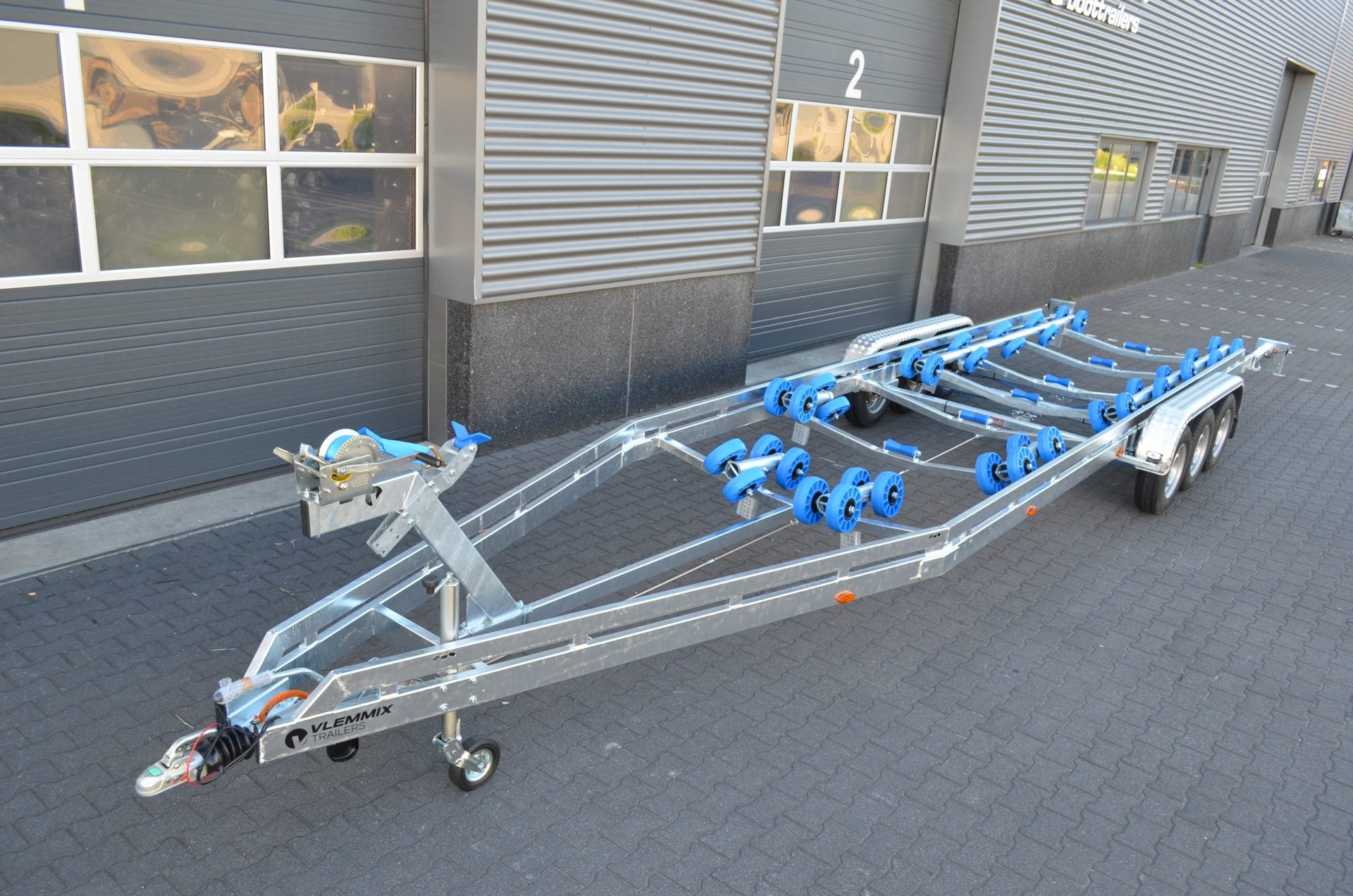
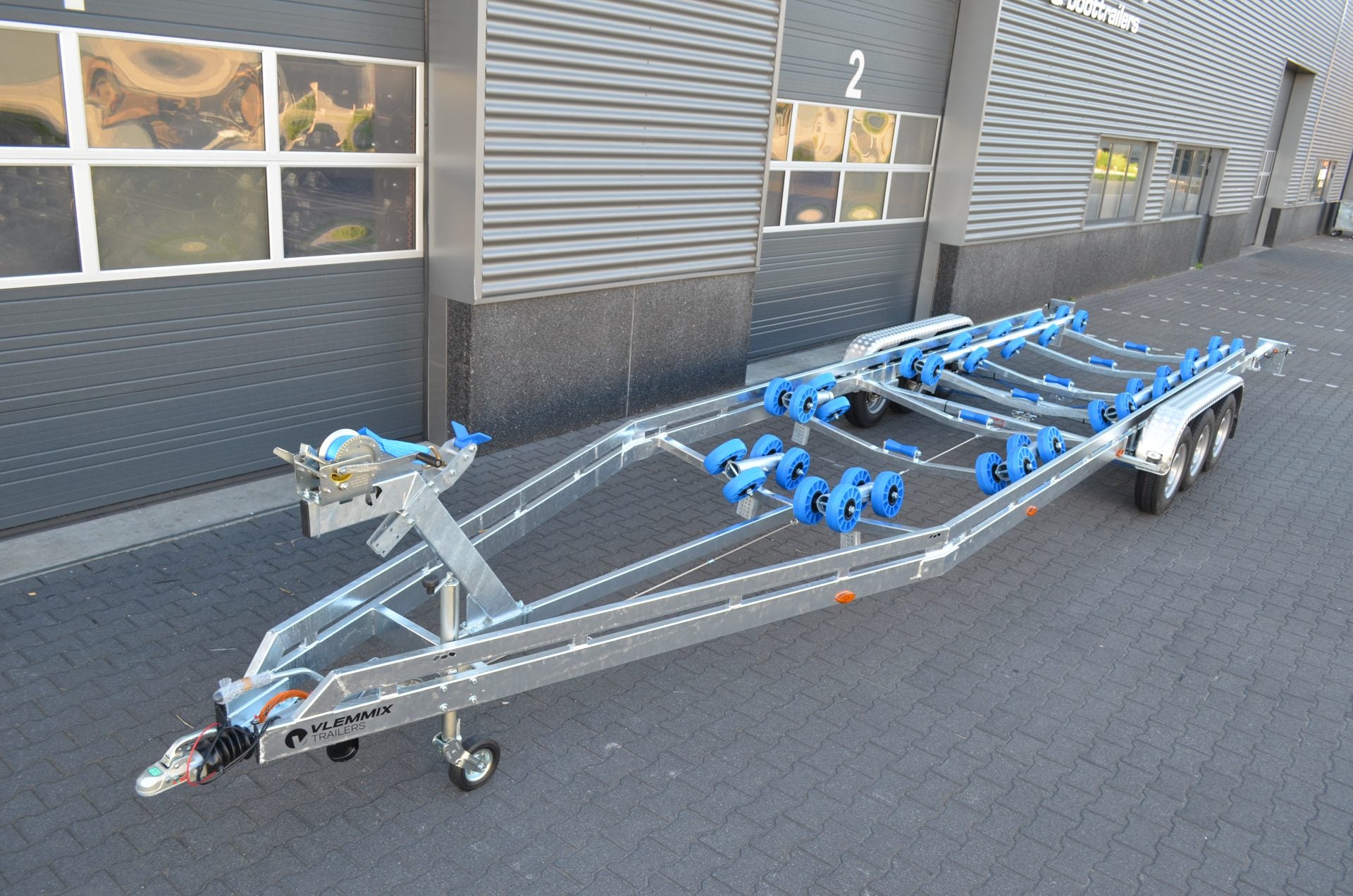
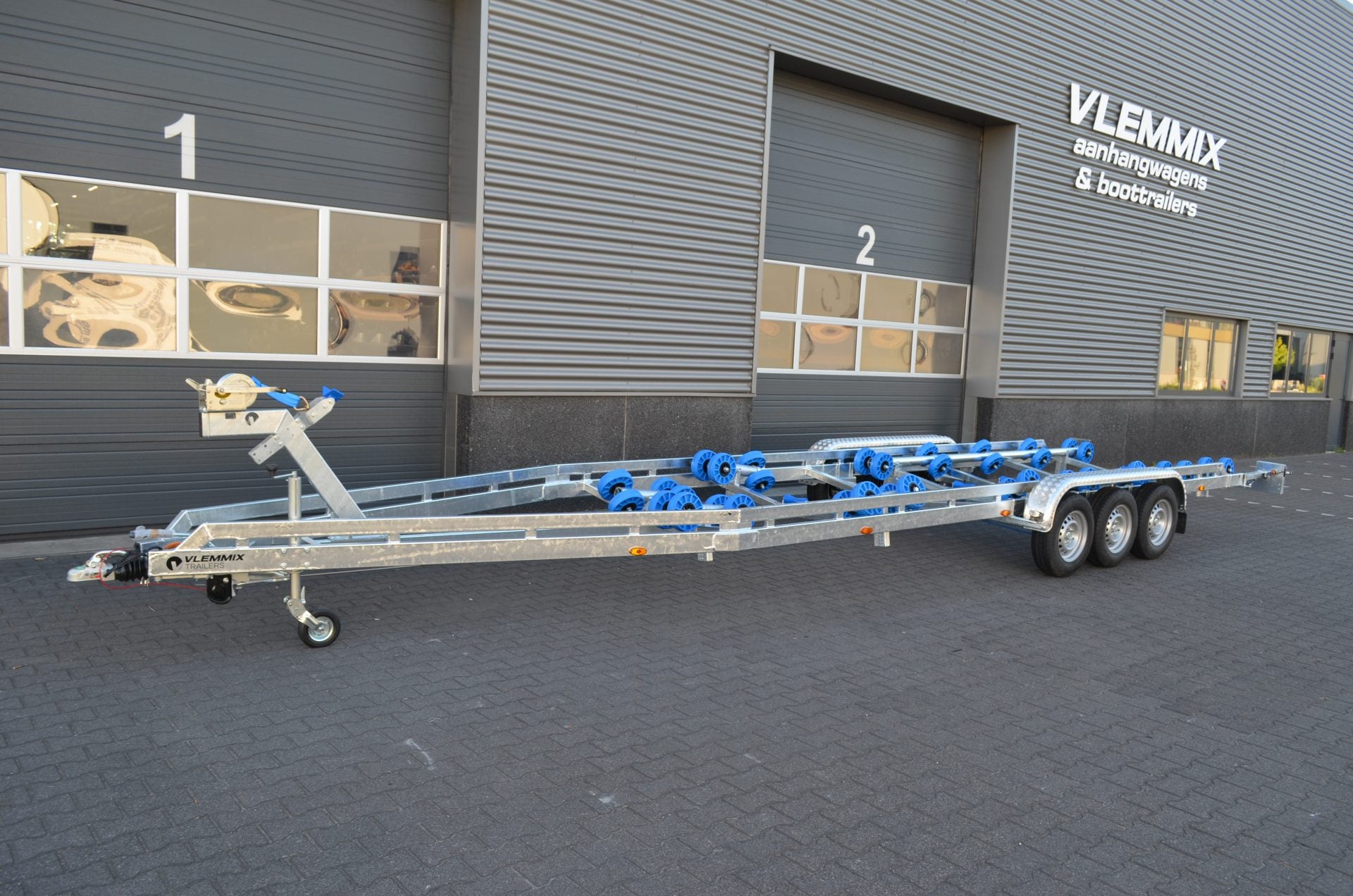
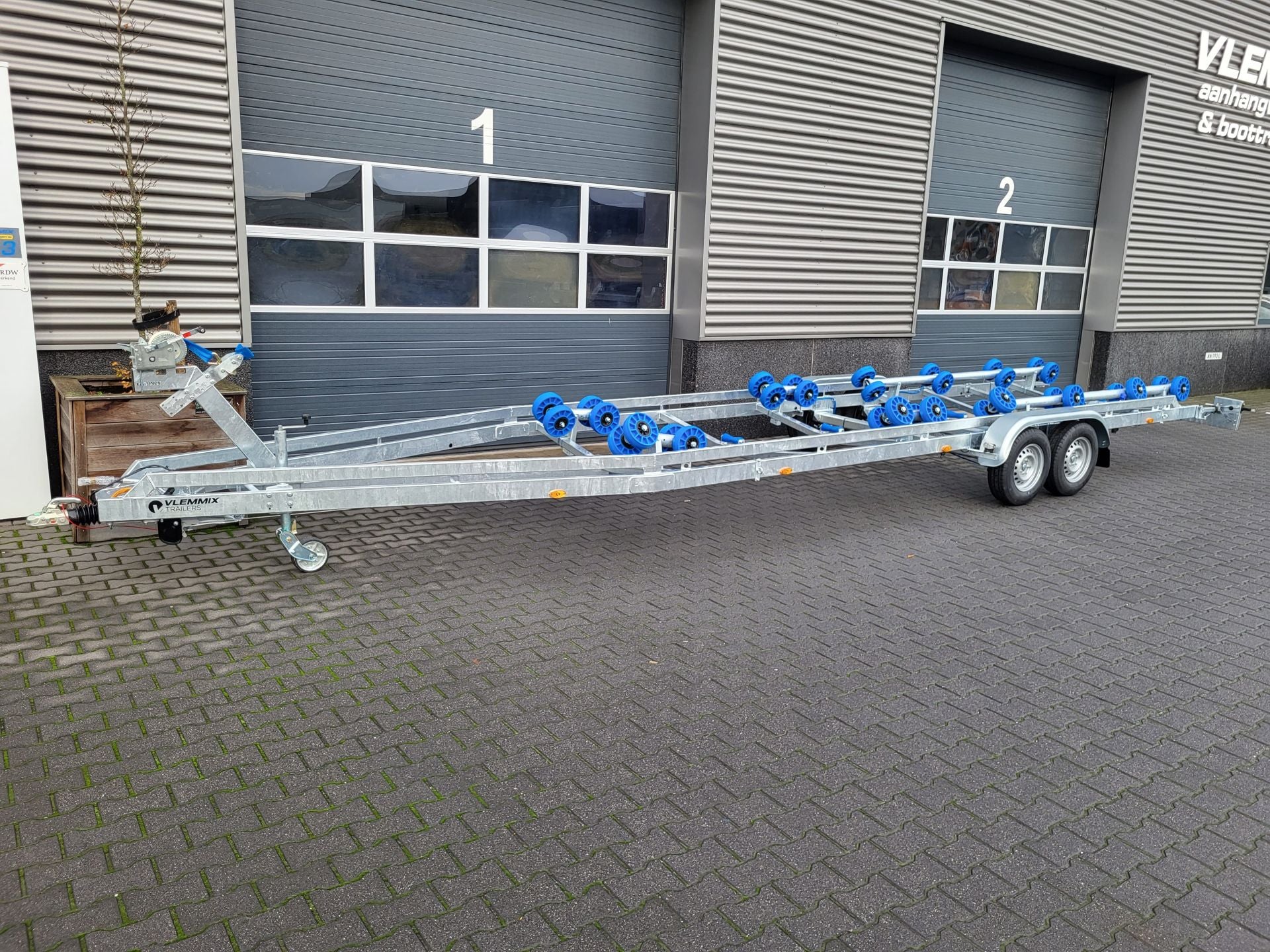
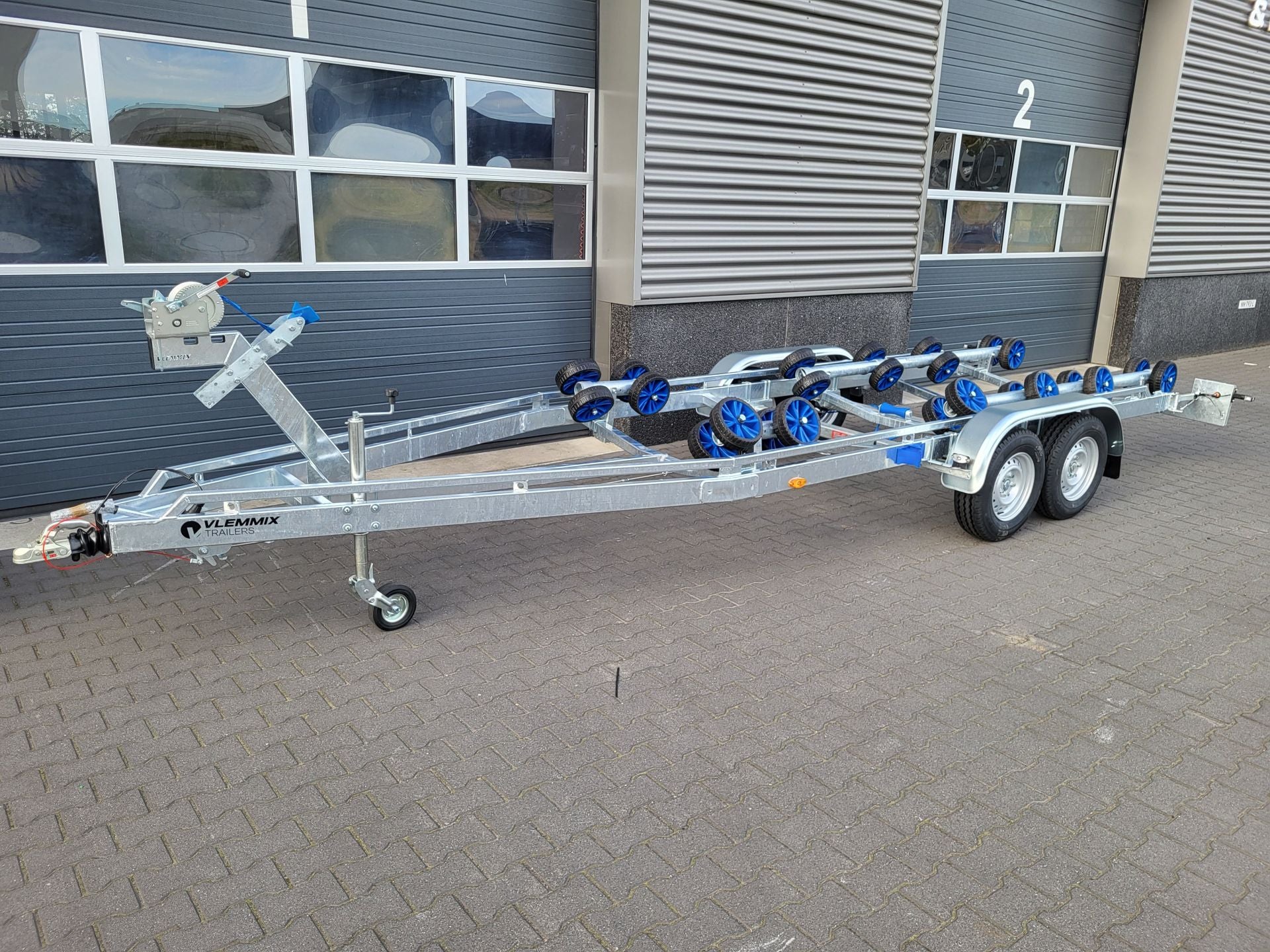
Within inflatable boat trailers there are very different solutions. There are multi-roller models that spread the weight progressively and avoid marking the tubes, versions with adjustable cradles that hug the hull of RIBs, and mixed designs with central rollers and side supports for more delicate hulls.
They come with a single axle for shorter lengths and with twin axles when the outfit grows and inertia demands more stability. Details that do not always appear in the brochure count here: loading height, the quality of the hot-dip galvanising, sealed bearings, the winch and the bow guide. A well-judged design makes launching and recovery on weed-covered slipways easier, reduces stress on the hull and prevents snatching on the road. Choosing materials made for salt water and a geometry that genuinely supports the boat is the difference between enjoying the season and stringing together repairs.