
Bunk Boat Trailers
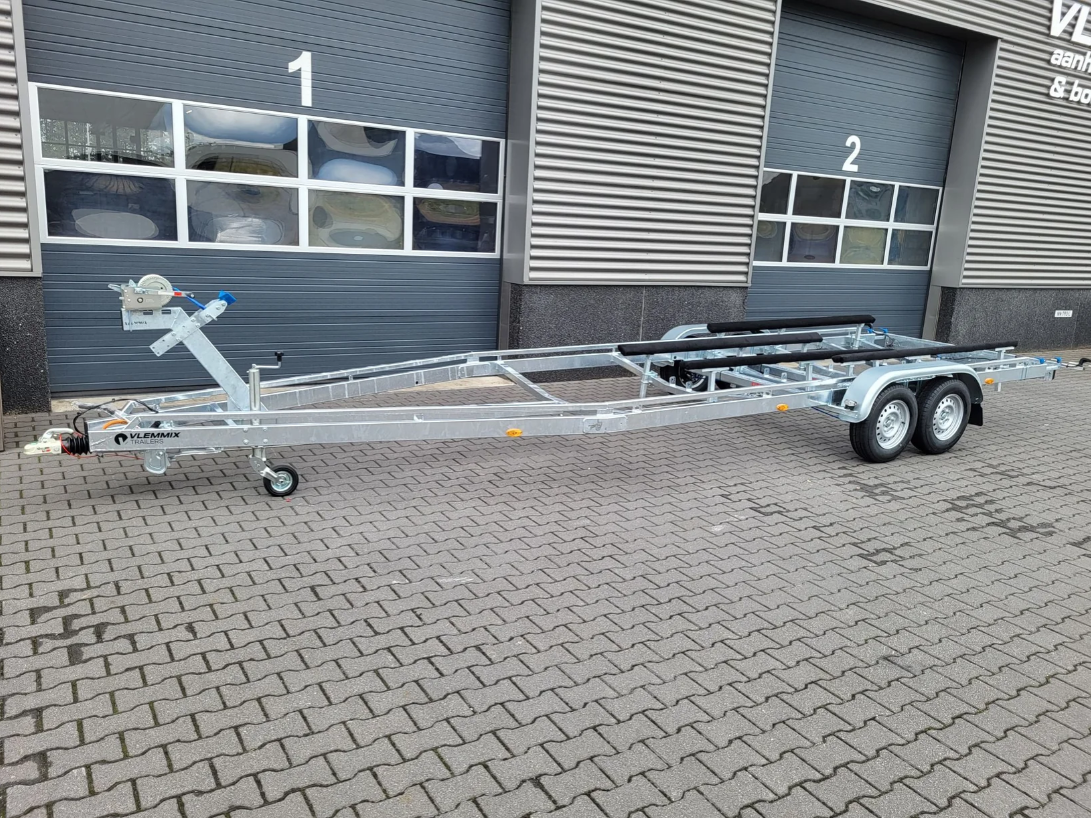
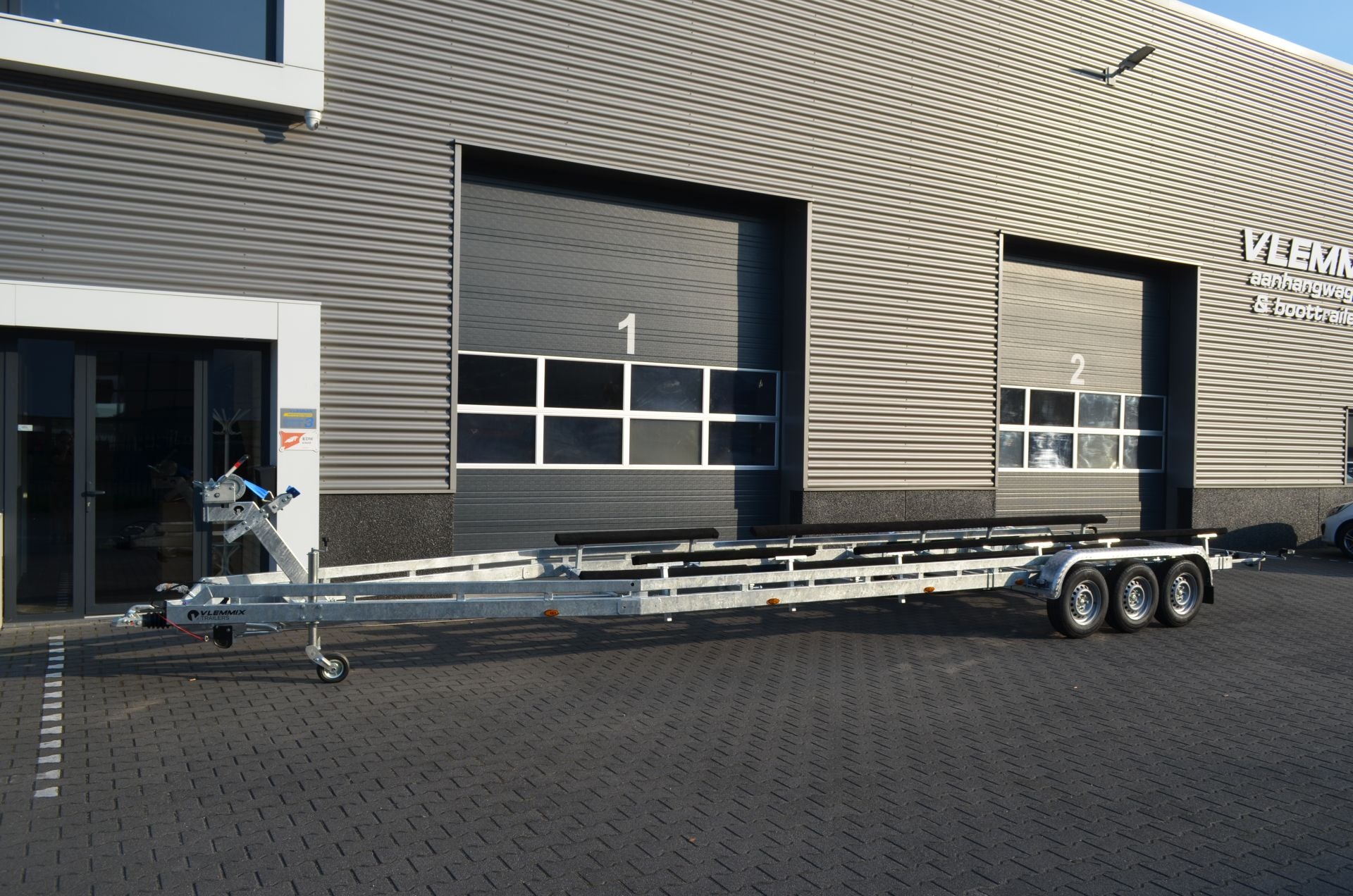
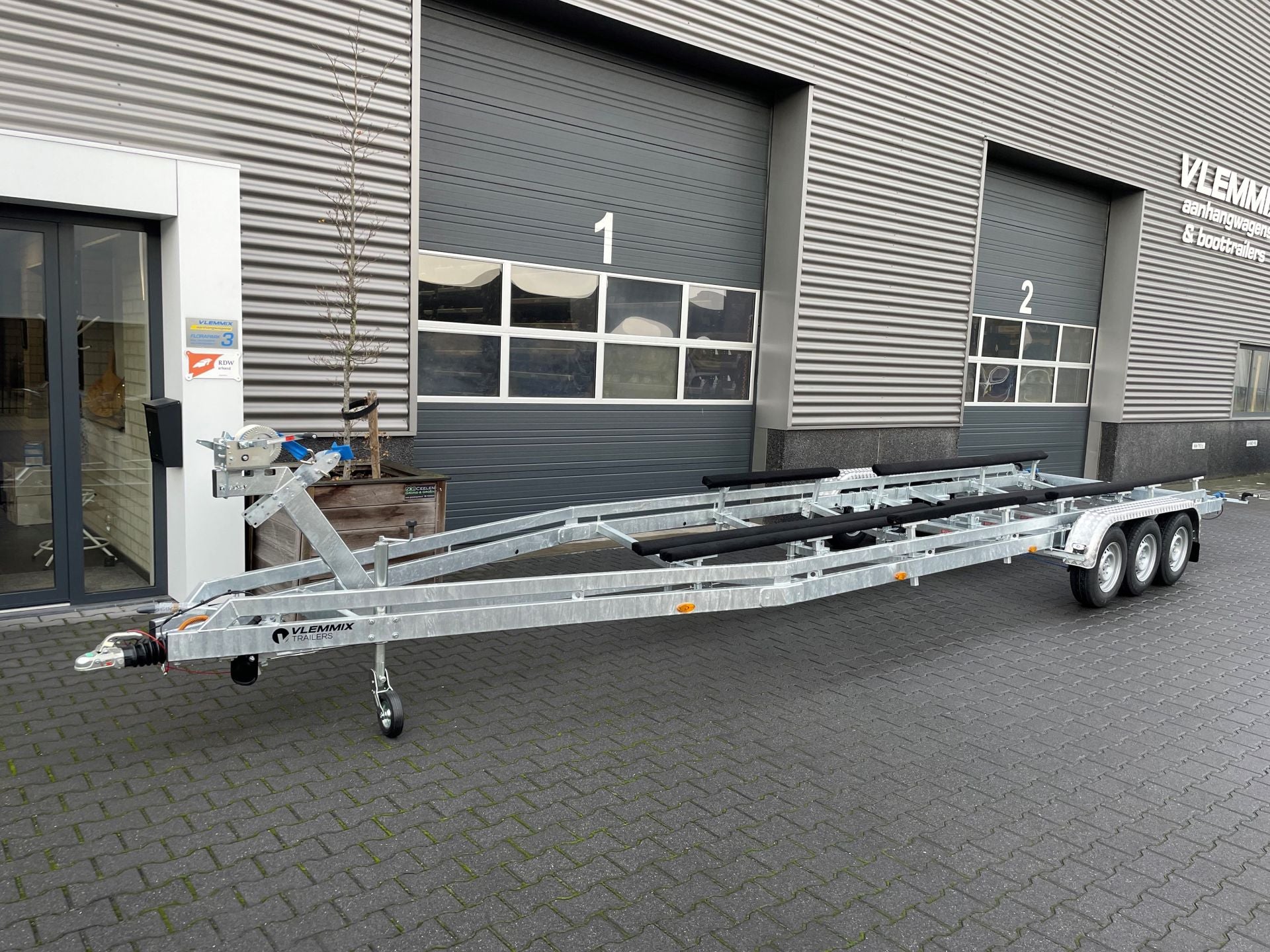
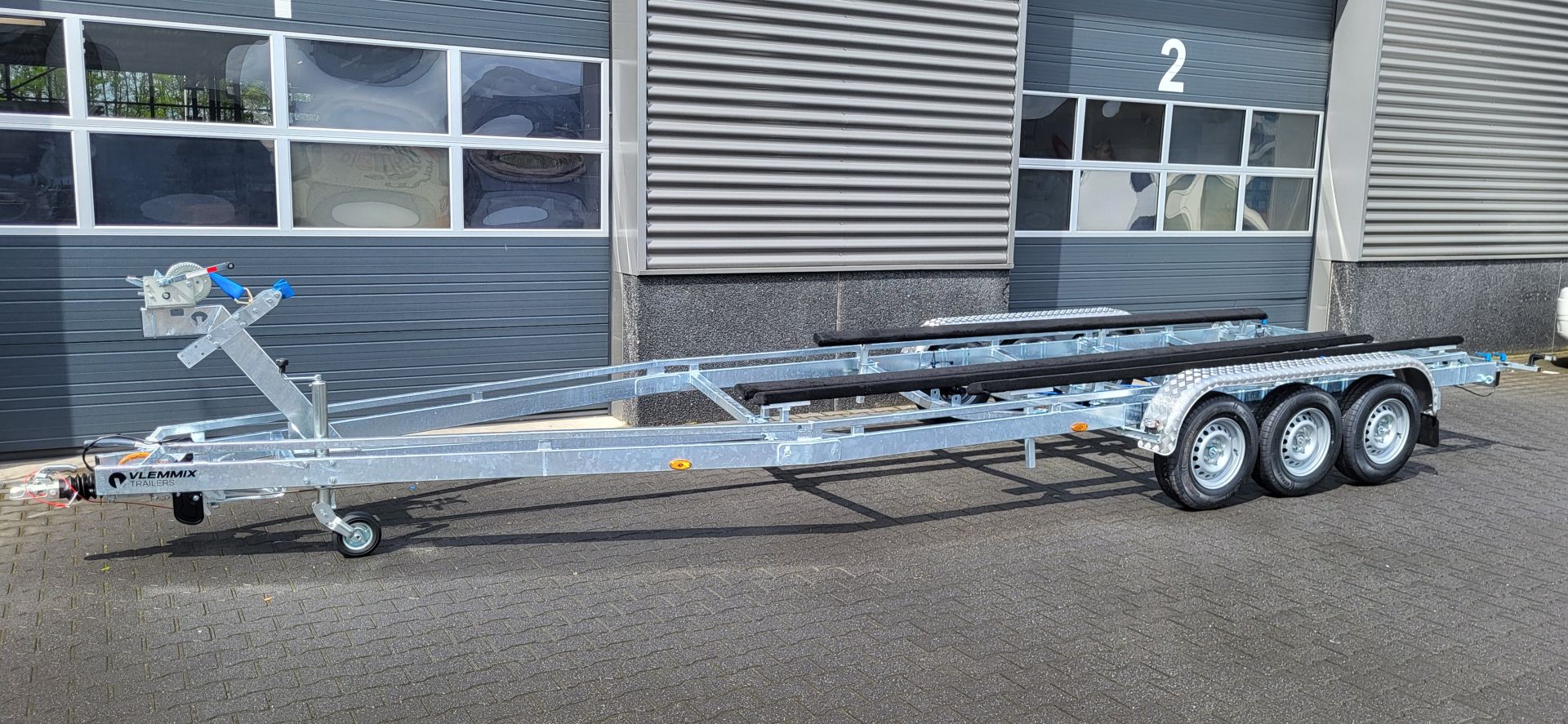

Bunk Boat Trailer Catalogue
Stability, continuous support and fewer surprises at the slipway
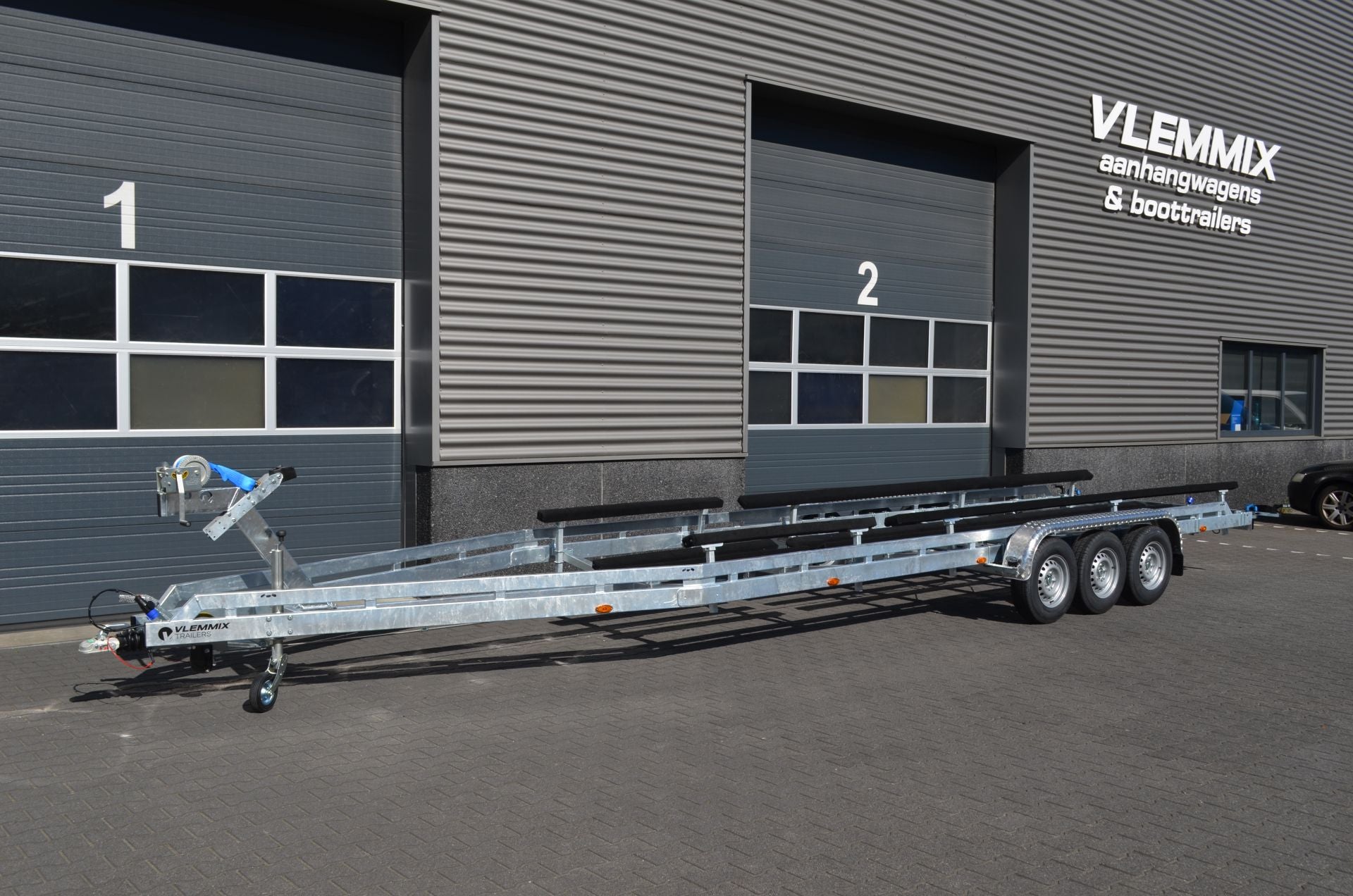
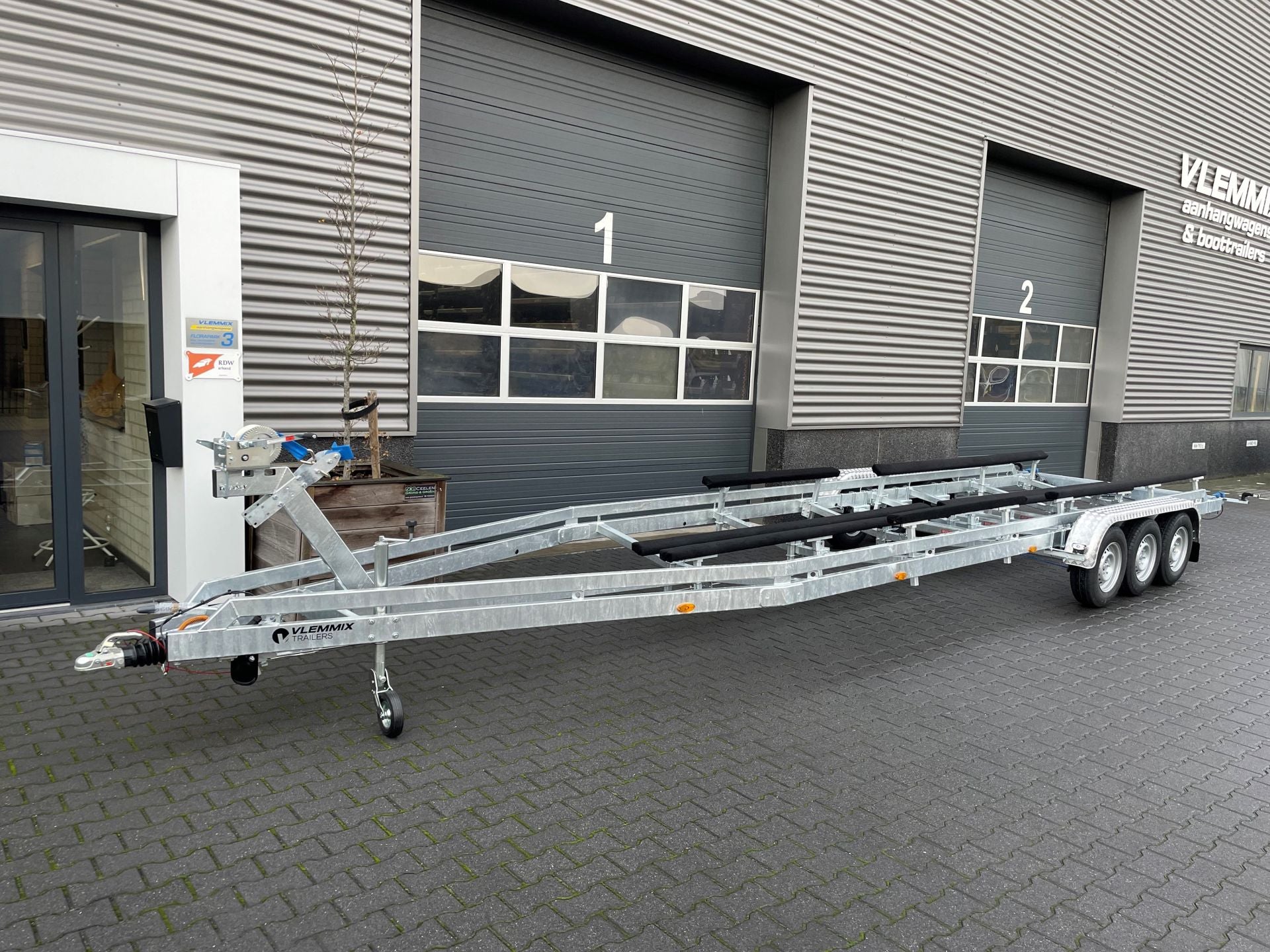
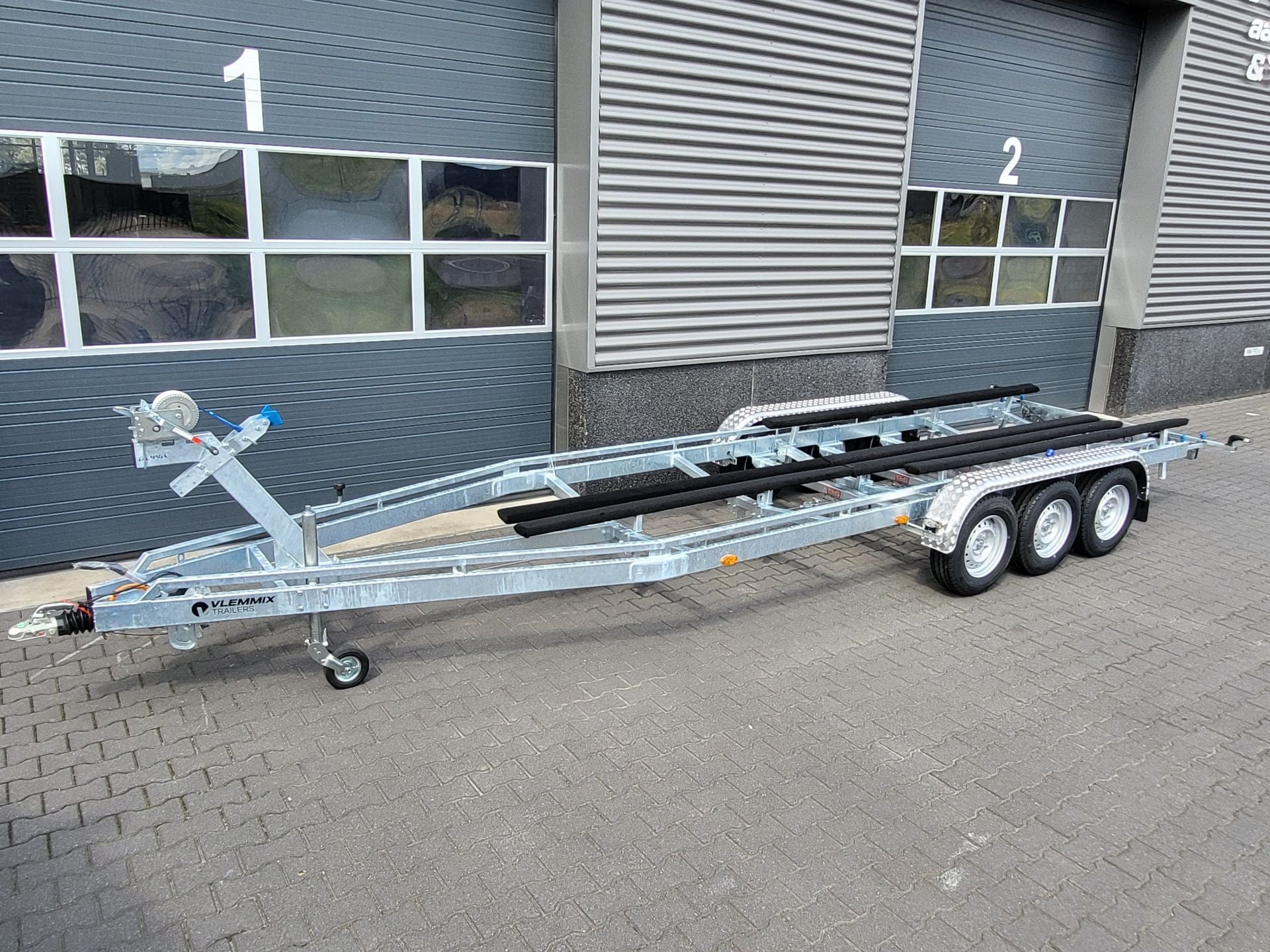
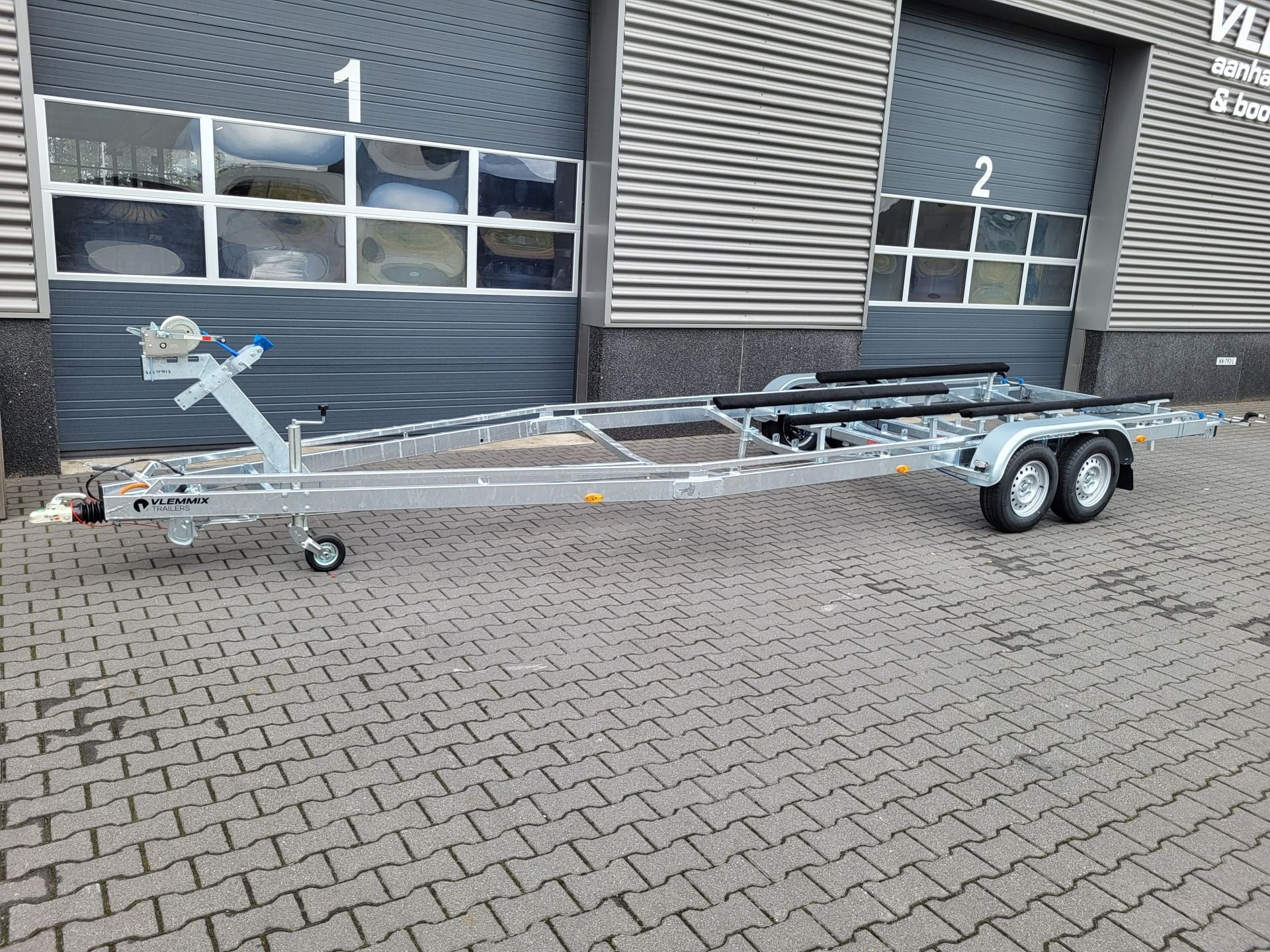
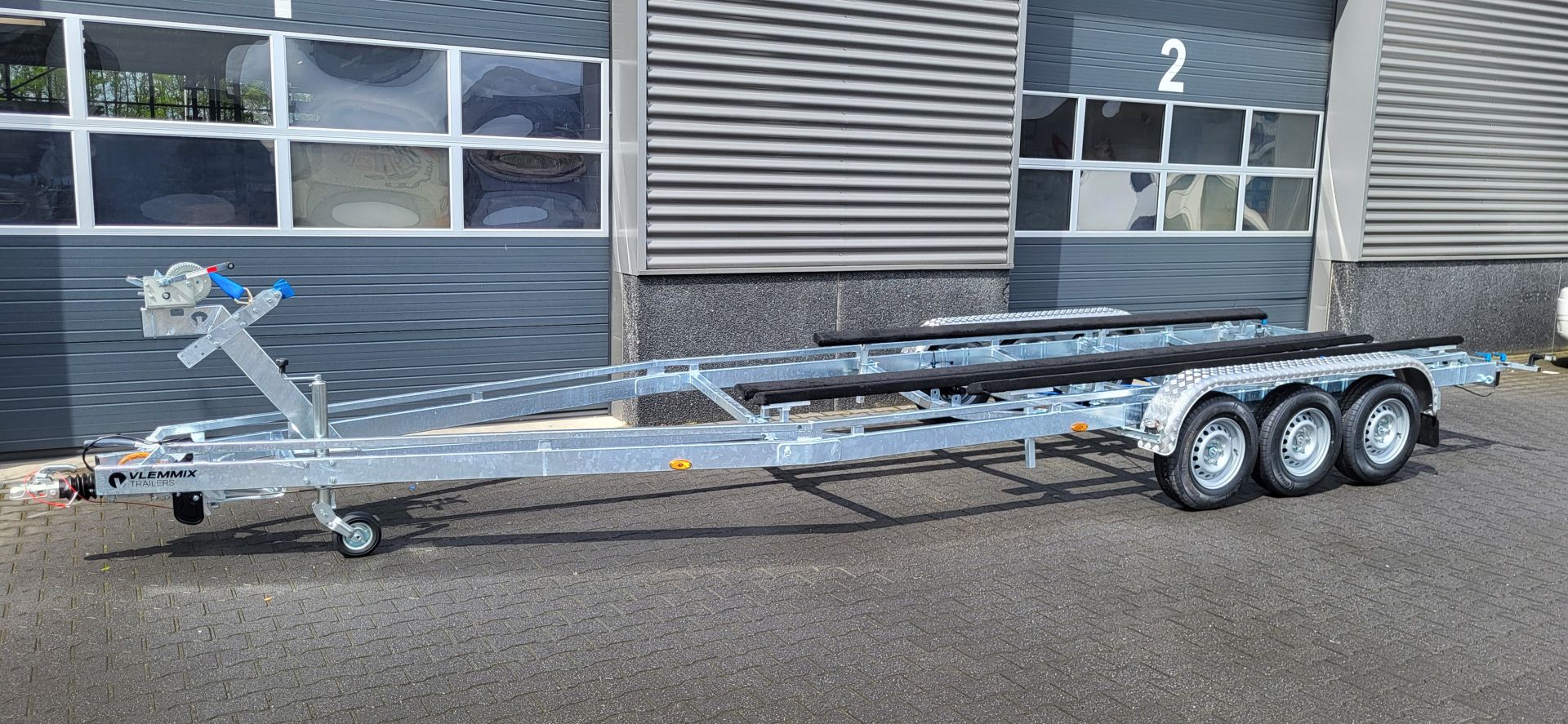
A bunk boat trailer is what you buy when you need continuous support under the hull and want to avoid marks, twisting and sudden movements on the ramp. The goal here is very specific: the boat should slide under control, the chassis should withstand years of salt air and the road should stop being a worry. In this category you will find trailers designed for RIBs, motorboats, centre console boats and light sailboats that need long support surfaces, normally built from treated timber beams with technical carpet. Compared with roller systems, the bunk spreads the weight better and minimises hard spots, especially on delicate hulls.
We are talking about hot-dip galvanised chassis, wiring protected inside the frame, folding light bars and the option to add features that make manoeuvring easier: winch, adjustable supports, shock absorbers or rinse systems. If you are shopping on price alone, this is the wrong category. What matters here is choosing well so you do not pay later in repairs, fines or nasty surprises. This is the starting point: technical clarity, safety and an informed decision for your boat and your car.
What these bunk trailers include
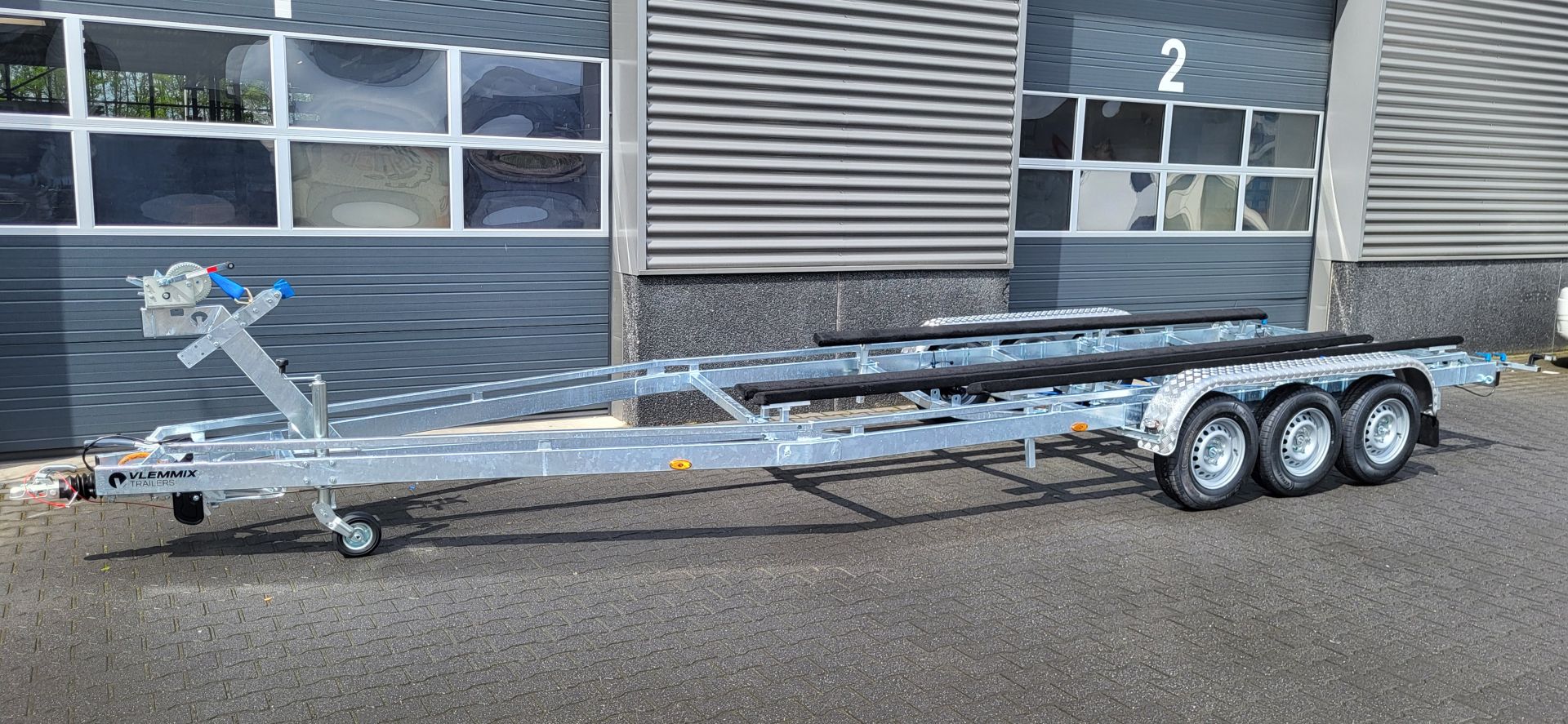
On bunk boat trailers the star is not just the chassis; it is the support beams. They normally use long-life impregnated timber covered with a specific carpet, with a hard base for durability and a soft top layer to protect the gelcoat. That continuous support reduces stress when you launch or recover the boat on the ramp. You will find options with one, two or three axles, an overrun brake on the versions with a higher gross weight, axles with sealed bearings and integrated wiring with a 13-pin connector. Many models let you adjust the height and width of the beams to suit different hull shapes and, when needed, add more beams.
On higher-specification units you get details that make the difference, such as sealed LED lighting, an extendable and removable light bar to prevent damage, certified locks and service trays. It is all rounded off with hot-dip galvanising and very tight manufacturing tolerances thanks to laser cutting of tube and sheet, which translates into straight, quiet chassis that behave more predictably on the road.
Bunk boat trailers are the ideal choice for rigid-hull boats that need firm, stable support during transport. If your boat has particular requirements, take a look at our rafting boat trailers, our inflatable boat trailers and our jet ski trailers
How to choose the best bunk boat trailer
Start with the real weight you will be towing, not the “theoretical” figure in the catalogue. Add up hull, engine, fuel, battery, gear and a sensible margin. The trailer's gross weight should sit comfortably above that. Look at the beam type: the longer and more adjustable it is, the better it spreads the load. Hot-dip galvanising is essential if the trailer is going into the water; avoid painted solutions. Check the number of axles and the tyre diameter: more contact means more stability and better braking. A bunk with an overrun brake, the right winch and a keel guided by central rollers makes launching easier without knocks. Also weigh up the accessories that simplify real-world use: shock absorbers, built-in rinse systems, a folding light bar and stainless steel fittings. Every detail counts once the trailer goes into the water.
Compatibility with your vehicle and towbar
Check your car's towing capacity in the technical data, both braked and unbraked. If the trailer exceeds that figure, you cannot drive it. Also check the tow ball type, the electrical installation with a 13-pin connector and the coupling height so the outfit sits level. A trailer that noses down or tails down becomes twitchy and wears out tyres and bearings.
Check the load distribution on the ball: too much weight at the front punishes the vehicle; too little causes dangerous snaking. And remember that, in Spain, some configurations require separate trailer insurance and, where applicable, a periodic roadworthiness test. Before buying, always cross-check trailer, boat and car on the same sheet of paper: you will avoid surprises and penalties.
Safety and basic maintenance of bunk boat trailers
A bunk trailer works in tough conditions: salt water, sand, long braking and slow manoeuvres. Safety starts with simple habits. Rinse it with fresh water every time you come out of the sea. Check bearings, straps and winch regularly; if you see cracks, frayed threads or spots of rust, replace them.
Check the wheel bolts after several launches: thermal contrast loosens them. Keep the carpet on the beams clean and free of grit that could scratch the hull. Service the overrun brake according to the manufacturer and grease the moving points. And before heading out on the road, a quick check of lights, plug and rear bar lock saves fines and trouble. The stability of the whole outfit starts with these details.
Common mistakes and how to avoid them
One of the most common mistakes is setting the beams “by eye” and leaving the hull slightly out of true. The result is a trailer fighting itself, hot tyres and fuel consumption that rises for no reason. Another frequent fault is towing with aged straps; sun and salt weaken them and, when they fail, there is no warning. You also see improvised electrical connections that end up getting wet and cause light failures exactly when you most need to be seen. Do not settle for “it fits”: the winch must lock firmly and the bow must be properly secured. And once you are off the ramp, go over everything again on dry land. Measuring, adjusting and checking is cheaper than repairing a hull.
Recommended use cases
If you move your boat over short distances and value calm manoeuvres, a simple bunk with adjustable beams and a compact chassis is an excellent choice. Anyone covering more miles will appreciate better-sized axles, an overrun brake and a removable light bar to avoid damage. On narrow or steep slipways, keel rollers help guide the boat without straining the beam. If the trailer is going to live by the sea, look for stainless steel fittings, wiring protected inside the frame and, if possible, an axle rinse system. When the boat's equipment changes often, it pays to have extra beams and adjustable supports so you can adapt it without a struggle each season.